
Reviewed · COOKING CLASSES
Gjirokastër: Traditional Albanian Vegetarian Cooking Class
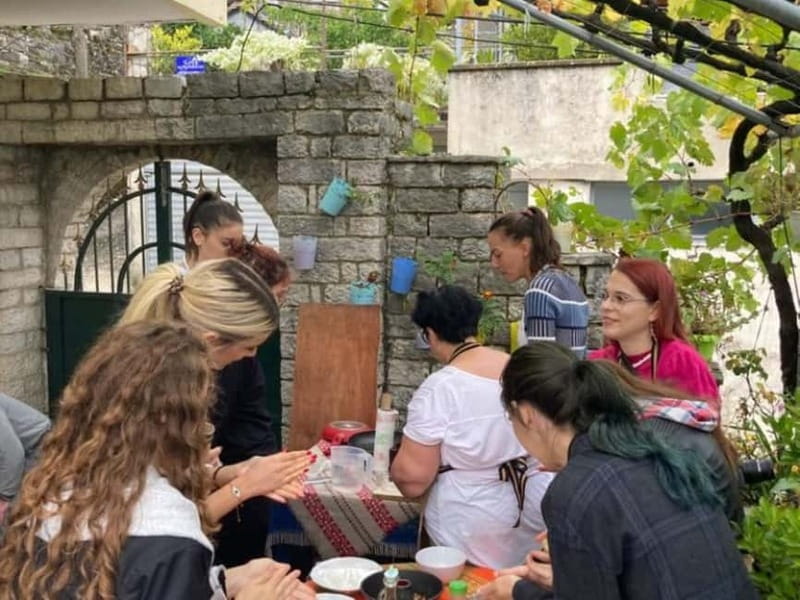
Gjirokastër cooks its character into rice. This 150-minute class leads you from Çerçiz Topulli Square into Pazar i Vjetër, one of the city’s oldest neighborhoods, for a home-style meal with Marjeta and her husband. I like the personal setting and the chance to make qifqi, a dish closely tied to Gjirokastër.
I also like the small-group format, capped at 10 people, and the warm help from English-speaking interpreters such as Klarisa and Besjan. The main concern is value: at $76 per person, the menu may feel costly if you expect several hands-on cooking stations or a broad range of fresh vegetables.
In This Review
- Key points at a glance
- Walking from Çerçiz Topulli Square to Pazar i Vjetër
- A raki welcome before the cooking begins
- Making qofte bobollaqe, qifqi, and hasude
- Qofte bobollaqe
- Qifqi
- Hasude
- What the finished meal is like
- The one-station format and how hands-on it feels
- What the $76 price includes
- Who will enjoy this cooking class most
- Practical details before you book
- Should you book the Gjirokastër cooking class?
- FAQ
- Where does the cooking class meet?
- How long does the experience last?
- What dishes do you prepare?
- Is the class available in English?
- What is included in the $76 price?
- Can I cancel the booking?
Key points at a glance
- Qifqi is the star dish: You learn to make Gjirokastër’s distinctive rice balls, a local specialty not commonly found elsewhere in Albania.
- The class takes place in Pazar i Vjetër: You walk from Çerçiz Topulli Square to a historic neighborhood and cook in Marjeta’s home.
- The menu is vegetarian: The meal includes qofte bobollaqe, qifqi, hasude, and a seasonal salad prepared by Marjeta.
- The format is intimate: Groups are limited to 10, with an English-speaking guide helping explain the dishes and conversation.
- You eat what you make: The class ends with a shared meal, drinks, and time to talk around the table.
- You take home the recipes: A detailed recipe collection helps you try the dishes again after returning home.
Walking from Çerçiz Topulli Square to Pazar i Vjetër
Your meeting point is Çerçiz Topulli Square, a useful central place to begin exploring Gjirokastër. The guide waits there before leading you on foot to Pazar i Vjetër, the old bazaar neighborhood.
That short walk matters. You are not being delivered straight to a generic cooking studio. You first get a small sense of Gjirokastër’s old urban character, then enter the setting where the class takes place. The route also keeps the experience tied to the city rather than separating food from place.
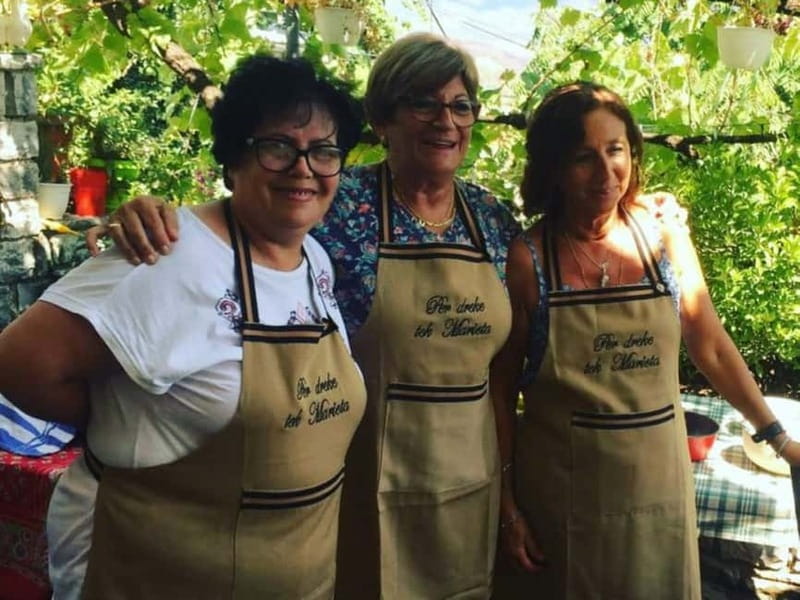
The cooking happens at Marjeta’s home. Her house is described as welcoming and full of flowers, giving the lesson a domestic feel instead of a restaurant-school atmosphere. If you enjoy food experiences that put you around a family table, this setting will likely appeal to you.
The tradeoff is that a home kitchen may not work like a professional teaching kitchen. There is one main cooking station, so not everyone will be chopping, stirring, or frying at the same time. You may spend part of the class watching while another person works.
That is worth knowing before you book. This is best viewed as a hosted cultural meal with cooking instruction, not a fully active workshop where every participant prepares every dish from start to finish.
More Albanian Cooking in Gjirokaster:
- Tirana: Traditional Cooking Class with Wine & Raki Tasting
★ 5.0 · 284 reviews - Traditional Albanian Cooking Class in Tirana & Raki Tasting
★ 5.0 · 266 reviews - Traditional Albanian Cooking Class in Tirana with Raki Tasting
★ 5.0 · 125 reviews
A raki welcome before the cooking begins
The class opens with a glass of raki or a soft drink. Raki is a strong local spirit and a familiar part of Albanian hospitality, but you do not have to drink alcohol. The choice of a soft drink makes the welcome suitable for people who do not want spirits.
This opening also gives the interpreter time to explain the class and introduce the household. The experience is offered in Albanian and English, with an interpreter helping translate the instructions, answer questions, and keep the conversation moving.
The language support has been one of the strongest parts of the experience. Klarisa has been praised for being friendly, patient, and talkative, while Besjan has also helped make communication easy. The exact interpreter can vary, but the setup is designed for English speakers.
Photos may also be taken during the session. That can add a pleasant record of the meal, though you should expect the focus to remain on the class and shared table rather than on a formal photo package.
Making qofte bobollaqe, qifqi, and hasude
The menu includes three vegetarian dishes, each showing a different part of local home cooking.
Qofte bobollaqe
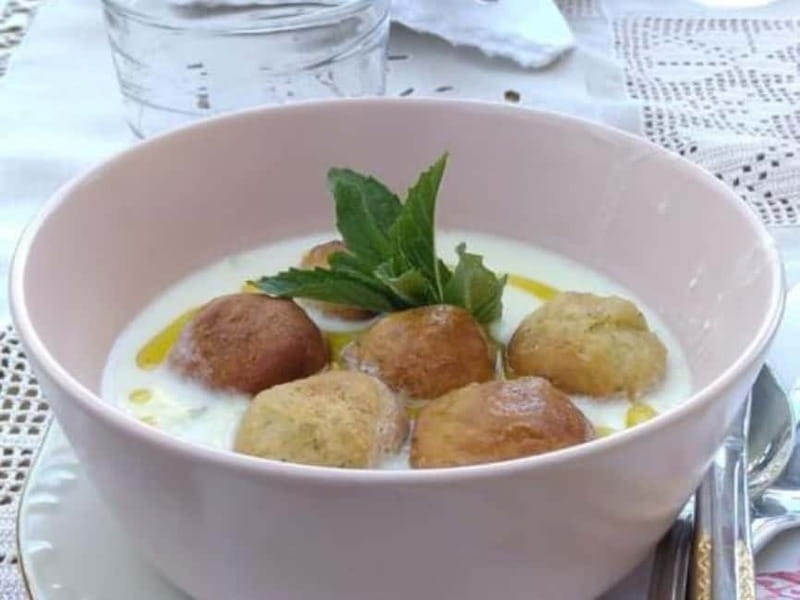
The first dish is called qofte bobollaqe and is made mainly with yogurt. The name may suggest a meatball to some readers because qofte is often used for rounded or patty-shaped foods, but this version is vegetarian.
The dish gives you a chance to see how yogurt is used in a traditional Albanian kitchen. It is also a good reminder that vegetarian cooking in the Balkans is not limited to raw salads or grilled vegetables.
More Cooking Classes in Gjirokaster:
- Cooking Class
★ 4.5 · 12 reviews - Vegetarian Cooking Class @Teta Marjeta
★ 5.0 · 11 reviews - Cook Like a Local – Authentic Cooking Class in Gjirokastra
★ 3.2 · 4 reviews - Cooking Classes and Traditional food tasting in Tirana
★ 5.0 · 282 reviews
Qifqi
Qifqi is the dish most closely connected with this class. These traditional Gjirokastër rice preparations are made mainly with rice and are commonly associated with the city.
Learning qifqi gives the lesson a strong local purpose. You are not simply making a generic pasta dish or a familiar restaurant appetizer. You are working with something that helps identify Gjirokastër’s food culture.
The class format means you may not personally shape or cook every portion. Still, watching the preparation while Marjeta explains the method can be useful, especially if you ask questions through the interpreter. Pay attention to texture and technique, since those details are harder to understand from a recipe alone.
Hasude
Dessert is hasude, a sweet dish based mainly on flour and sugar. It is simple, filling, and different from the pastries many people expect when they hear about Balkan desserts.
Hasude also helps explain why some diners may find the menu less varied than expected. The meal relies on basic pantry ingredients such as rice, flour, eggs, yogurt, and sugar. That is part of its traditional, home-cooking character, but it may not satisfy someone looking for a vegetable-heavy tasting menu.
What the finished meal is like
Marjeta prepares a seasonal salad to accompany the three cooked dishes. This fresh component helps balance the menu, especially since several elements are cooked in oil or built around starch, eggs, flour, or sugar.
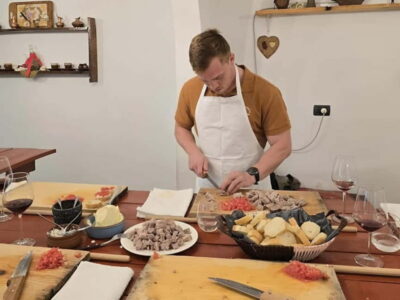
The full meal is included in the price, so you are not paying separately for the dishes you prepare. Once the cooking is done, the group sits together and eats the food from the class. You can pair it with wine, raki, or a soft drink, with a complimentary drink included.
The shared meal is where the class becomes more than a recipe demonstration. You have time to talk with the host, interpreter, and other people in the group. Some sessions have felt relaxed and sociable, with enough time to remain at the table after eating rather than being rushed out.
Still, expectations matter. The menu is entirely vegetarian, and the dishes are traditional rather than elaborate. If you want fresh produce to play the main role, you may find the meal somewhat narrow. If you are curious about local home cooking and enjoy rice-based and sweet dishes, the simplicity is part of the appeal.
The one-station format and how hands-on it feels
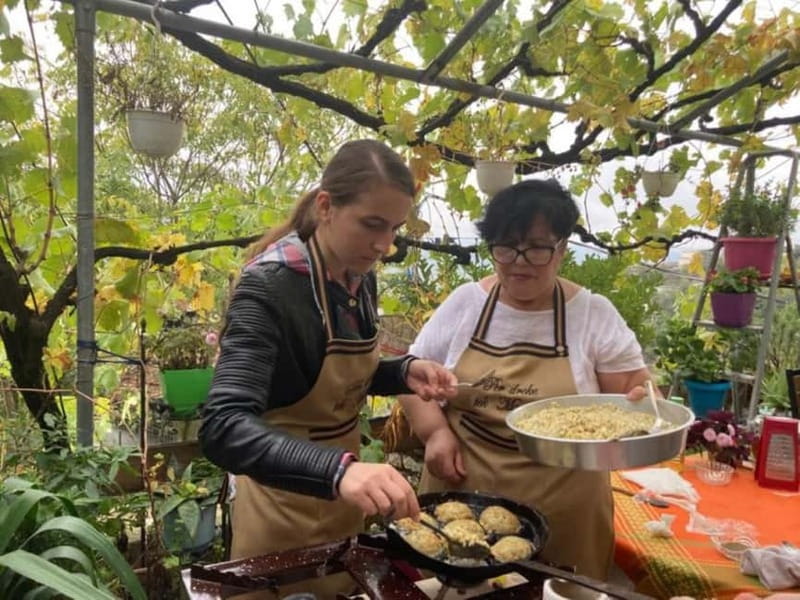
The class includes kitchen facilities and aprons, and all ingredients are supplied. You do not need to shop, bring equipment, or plan a meal before arriving.
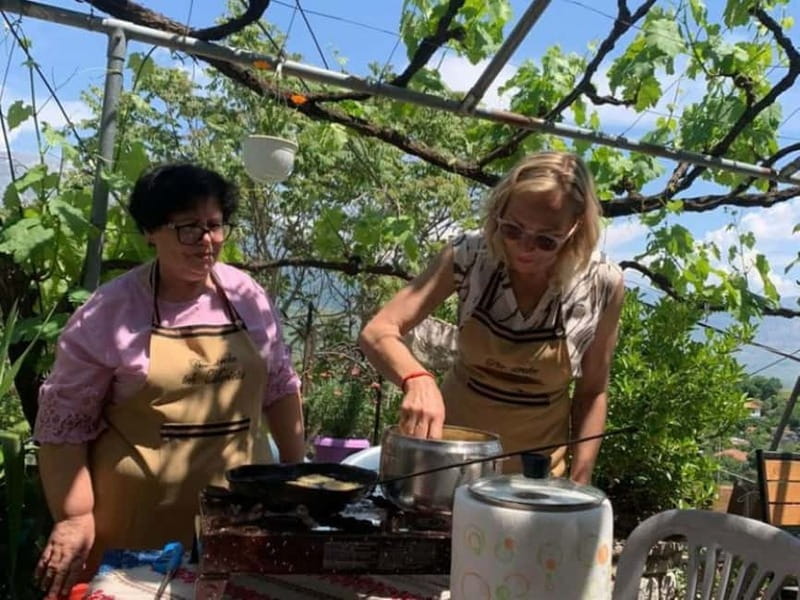
But the hands-on level deserves a clear warning. With one cooking station, the group cannot all work at once. One person may prepare a step while the rest watch, listen, and wait for the next turn. In a group of up to 10, that can mean limited personal cooking time.
This format works best if you enjoy demonstrations, questions, and conversation. It works less well if your main goal is to spend most of the 150 minutes actively cooking with your own hands.
If you want to get more from the class, ask the interpreter to explain each stage as it happens. Ask about substitutions, cooking times, and how the dishes are served at home. The recipes provided at the end make those questions worthwhile because you can use the information later.
The class length is reasonable for the format. Two and a half hours allows time for the welcome drink, instruction, preparation, cooking, and meal without turning the experience into an all-day commitment.
What the $76 price includes
At $76 per person, this is not a cheap meal. The price includes the ingredients, kitchen use, apron, full meal, drinks, interpreter support, and recipes for the dishes and additional preparations.
Part of the cost pays for the setting and personal hosting. You are visiting a local home, meeting Marjeta and her husband, and eating food prepared in a small group rather than sitting in a large restaurant. The interpreter also adds value if you do not speak Albanian and want more than a silent demonstration.
The value is strongest for someone who sees cooking as a way to meet people and understand place. You are paying for access to a household experience, explanations, and the chance to recreate the food later.
The value is weaker if you measure the price only by ingredients or the amount of food. The dishes use modest staples, and the menu does not include a wide spread of vegetables or several separate cooking stations. You may reasonably feel that the cost is high if you expect intensive instruction and a substantial culinary workshop.
I would compare this price with the rest of your Gjirokastër budget. If you already plan to eat a full dinner, the class may replace that meal. If you are traveling on a tight budget, a restaurant meal will cost less, though it will not provide the same contact with a local host or the recipes.
Who will enjoy this cooking class most
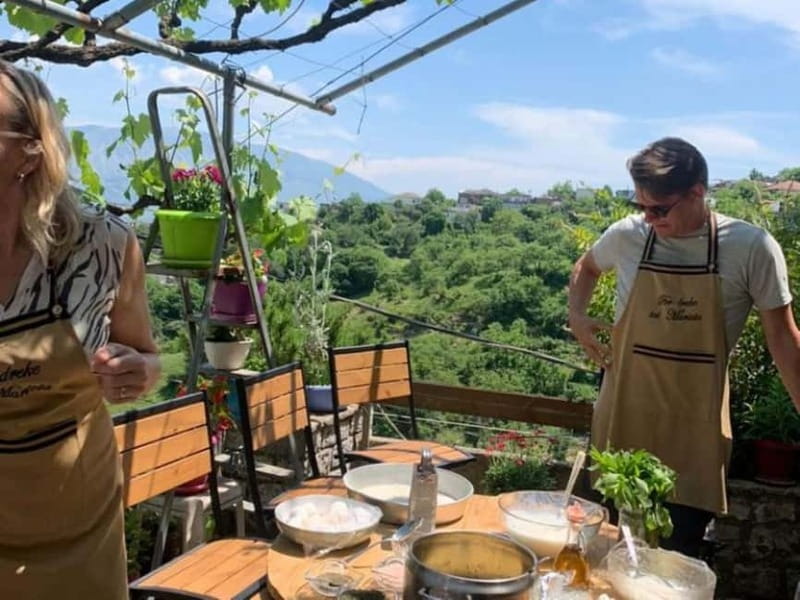
I would recommend the experience to you if you enjoy:
- Local specialties with a clear sense of place, especially qifqi
- Home cooking and informal conversation
- Vegetarian food
- Small groups rather than large demonstrations
- Learning a few recipes you can repeat at home
- A relaxed meal after the practical portion
Families and couples may enjoy the home setting, as long as everyone understands that not every person will cook at the same time. It can also suit solo visitors who want an easy way to share a meal and meet people without arranging a private dinner.
You may want to skip it if you need a highly active class, dislike fried or flour-based dishes, or expect a menu built around several kinds of fresh vegetables. The class is also less suitable if you want a professional chef-led lesson with precise individual instruction.
The vegetarian label does not mean the food is light or vegetable-centered. It means the menu contains no meat. Rice, yogurt, eggs, flour, sugar, and cooked preparations do most of the work.
Practical details before you book
The class lasts 150 minutes and is limited to 10 participants. A smaller group gives you a better chance to ask questions, but a full group may make the single cooking station feel crowded.
The guide meets you in the square, so arrive at Çerçiz Topulli Square with enough time to find the meeting point. From there, you walk to the old neighborhood. Wear shoes you can use comfortably on Gjirokastër’s streets, although no special equipment is listed as necessary.
English and Albanian are the available languages. An interpreter helps explain the cooking and translate conversation, which is important because the host’s explanations are a central part of the experience.
Personal expenses are not included. The class itself supplies the ingredients, meal, facilities, apron, and listed beverages. You can cancel up to 24 hours before the activity for a full refund, and the booking option allows you to reserve without paying immediately.
The experience has an overall rating of 4.4 from 17 ratings, with especially strong praise for the welcoming home, the food, the interpreters, and the friendly atmosphere. The lower marks focus on the price, the limited menu, and the amount of watching compared with hands-on cooking. Those are not minor details, so use them to match the class to your own expectations.
Should you book the Gjirokastër cooking class?
Book this class if you want a personal introduction to Gjirokastër food, especially qifqi, and you value the host, conversation, and home setting as much as the cooking itself. The recipes, shared meal, and English interpretation give the experience lasting value beyond the plate.
Think twice if $76 feels high for a simple vegetarian meal or if you want everyone in the group actively cooking throughout the lesson. The one-station setup and starch-heavy menu can disappoint serious home cooks.
My advice is simple: book it as a cultural food experience, not as a technical cooking school. For the right person, Marjeta’s home, the old bazaar setting, and the chance to sit down with locally prepared dishes make this a memorable part of a Gjirokastër visit.
FAQ
Where does the cooking class meet?
The guide meets you in Çerçiz Topulli Square. From there, you walk to Pazar i Vjetër, one of Gjirokastër’s oldest neighborhoods, where the class takes place.
How long does the experience last?
The class lasts 150 minutes, including the welcome drink, cooking, shared meal, and time to talk afterward.
What dishes do you prepare?
The vegetarian menu includes qofte bobollaqe, qifqi, and hasude. A seasonal salad prepared by Marjeta accompanies the meal.
Is the class available in English?
Yes. The activity is offered in Albanian and English, with a live guide and interpreter helping explain the cooking and translate conversation.
What is included in the $76 price?
The price includes all ingredients, kitchen facilities, aprons, the full meal, listed beverages such as wine, raki, and soft drinks, plus detailed recipes.
Can I cancel the booking?
You can cancel up to 24 hours before the activity for a full refund. You can also reserve the experience and pay later.
Newly listed around Gjirokaster
- Vlora, Llogara & Dhërmi: Albanian Riviera from Durres/Golem★ 4.9 · 7 reviews
- From Vlora: Albanian Riviera, Blue Eye & Gjirokaster Day Trip★ 4.0 · 6 reviews
- Full Day South Albania Expedition Blue Eye & Gjirokaster★ 4.0 · 4 reviews
- Day Tour of Gjirokastra & Blue Eye from Tirana or Durres★ 5.0 · 10 reviews
- Gjirokastra, Full Day Trip from Tirana★ 5.0 · 2 reviews
- Full Day trip to Stone City of Gjirokastra & Blue Eye★ 5.0 · 2 reviews
- Private Day Tour of Gjirokastra from Tirana★ 5.0 · 10 reviews
- Private Tour from Tirana, Gjirokastër , Saranda and South Riviera★ 5.0 · 10 reviews
Cooking Classes, compared.
Traditional Cooking Class with Wine & Raki Tasting
Read our review →
Cooking Classes and Traditional food tasting in Tirana
Read our review →
Traditional Albanian Cooking Class in Tirana & Raki Tasting
Read our review →
Traditional Albanian Cooking Class in Tirana with Raki Tasting
Read our review →
Berat Cooking Class- Traditional Albanian Cooking Class /By Vato
Read our review →
Savor Albanian Cuisine Cooking Class with Mama Nina Berat Castle
Read our review →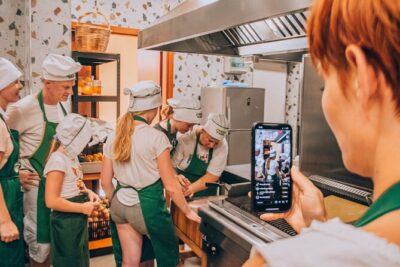
Tirana Cooking Class – Traditional Albanian Recipes
Read our review →Browse the lists this tour appears in