
Reviewed · BLUE EYE TOURS
Day Tour of Gjirokastra & Blue Eye from Tirana or Durres
Stone towns reward patient visitors. This long day trip takes you from Tirana or Durres into southern Albania, pairing the Ottoman-era streets of Gjirokastra with the clear spring known as the Blue Eye. I like the private transport and hotel pickup, which remove much of the hassle from a 230-kilometer journey. I also like the chance to see the Vjosa River and rural southern Albania along the way. The main drawback is time: ten to twelve hours is a serious day out, and the Blue Eye may not justify the extra drive for everyone.
The tour costs $162.56 per person and is offered in English. Your guide and only your own group take part, so you can ask questions and adjust the pace within reason. A practical warning: one account praised the guide and the difficult driving through aggressive traffic and winding hills, but suggested replacing the Blue Eye with Byllis Archaeological Site or a Durres beach stop.
In This Review
- Key points to know before booking
- Why this makes sense as a day trip
- The road south from Tirana
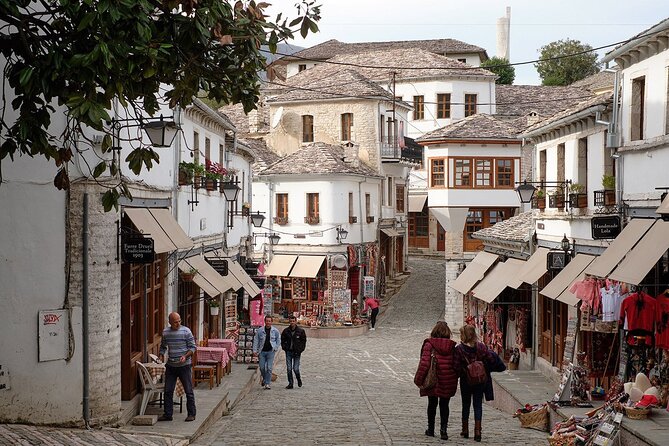
- Gjirokastra Bazaar, 45 minutes among old stone lanes
- Gjirokastra Castle and the Crown of the City
- Rruga Palorto and the city’s famous neighbors
- The Blue Eye, Albania’s striking spring
- Is $162.56 a fair price?
- Who should book this experience?
- Should you book the Gjirokastra and Blue Eye tour?
- FAQ
- What time does the tour start?
- How long does the experience last?
- Is hotel pickup and drop-off included?
- Is this a private tour?
- Are entrance fees included?
- Are lunch and snacks included?
Key points to know before booking
- Gjirokastra’s bazaar is the gentle opening: You get about 45 minutes among steep cobbled lanes and the city’s old commercial center.
- The castle gives you the best city view: One hour is set aside for the fortress, which sits above the town on a naturally protected hill.
- The Palorto quarter adds personal stories: You see the homes linked with Enver Hoxha and Ismail Kadare, along with an unusual route called the Path of Mad People.
- The Blue Eye requires a short walk: The spring is reached easily from the parking area, with a café nearby for a break.
- The road is part of the experience: Fields, hills, and the Vjosa River help explain southern Albania beyond the headline sights.
- Private service makes the price easier to assess: Hotel pickup, transport, guide, entrance fees, and drop-off are included, but lunch and snacks are not.
Why this makes sense as a day trip
Gjirokastra is far enough from Tirana that visiting without your own car takes planning. The city lies about 230 kilometers south of the capital, so the drive takes a large share of the day. This is not a quick side trip with a little sightseeing squeezed in. It is a full southern Albania outing.
The tour leaves at 8:00 a.m. That early start matters. You need time for the long road south, a proper visit to Gjirokastra, and the additional run to the Blue Eye. If you are staying in Tirana or Durres for only a short time, this trip gives you access to a part of the country that would otherwise be difficult to reach.
I especially like the private format. You are not joining a large coach group, and only your party takes part. That usually makes a long drive easier. You can speak directly with the guide, ask about the places you pass, and avoid the slow loading and unloading that often comes with a big bus.
The vehicle is air-conditioned, and private transportation, fuel-related road logistics, hotel pickup, hotel drop-off, guide service, entrance fees, and taxes are included. You will need to budget separately for food, drinks, souvenirs, and personal spending.
More Blue Eye Trips in Gjirokaster
- Gjirokastra, Blue Eye, Ksamil & Saranda – Day Tour from Tirana
★ 4.5 · 47 reviews - Full Day trip to Stone City of Gjirokastra & Blue Eye
★ 5.0 · 2 reviews - Saranda: Lekursi Castle, Blue Eye, Gjirokaster, & More Tour
★ 4.9 · 884 reviews
The road south from Tirana
The trip begins with a substantial drive through southern Albania. The road passes planted fields in one of the country’s most productive farming regions. That view gives the journey a useful sense of place. You are not simply racing from one monument to another. You are watching the countryside change as the capital gives way to open farmland and hill country.
The route also follows or passes near the Vjosa River, one of the few largely wild rivers in Albania and the Balkans. The river is an important reason to pay attention between stops. You might find the drive more interesting than expected, though road conditions, traffic, and winding sections can affect the timing.
One practical point deserves attention. A published account specifically praised the guide’s driving through aggressive Albanian traffic and winding hills. That is useful information for anyone who feels uneasy on long mountain roads. The driver’s skill can make a major difference, but you should still expect a demanding road day, not a relaxed transfer on a straight motorway.
Gjirokastra Bazaar, 45 minutes among old stone lanes
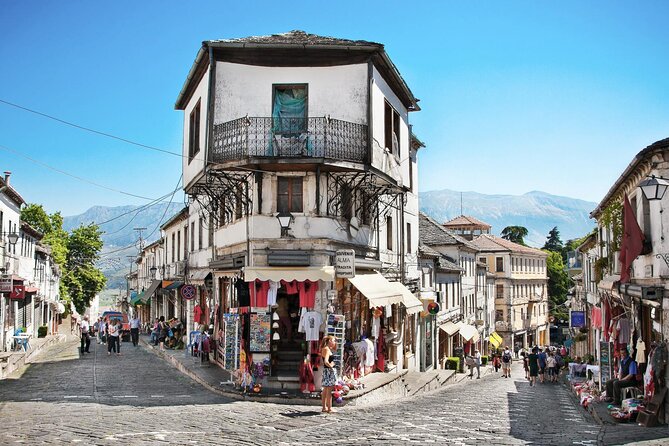
The first proper stop is the Gjirokastra Bazaar, reached after the morning drive. The historic area begins around Cerciz Topulli Square, named for a prominent Albanian patriot of the 19th century. From here, cobbled streets run up and down the steep town toward the castle.
The bazaar dates from the 17th century, during the Ottoman period. It was once the city’s main commercial district, where people bought and sold goods, met for coffee, and exchanged local news. The old social role of the square is part of its appeal. This was not only a shopping area. It was where families met and where social arrangements, including marriage discussions, could begin.
You have about 45 minutes here, with no separate admission fee. That is enough to get your bearings, look at the stone buildings, and enjoy the feel of the old center. It is not enough for a slow browse through every shop or a long café stop, so use the time well.
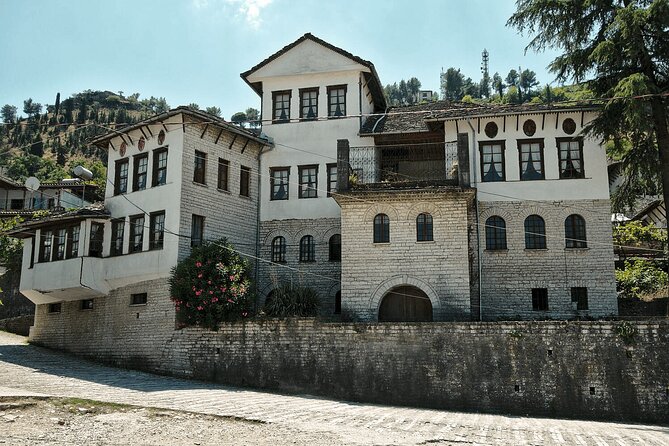
The steep streets are the main physical feature. Wear shoes that handle uneven cobblestones, and expect some uphill walking. Gjirokastra is sometimes called the Stone City, and the name makes sense quickly. The town is built into the hillside, with gray stone roofs and lanes that rise toward the fortress.
This is a good first stop because it lets you experience the city before entering its main monument. The bazaar feels lived-in and social, while the castle explains why the town developed where it did.
Gjirokastra Castle and the Crown of the City
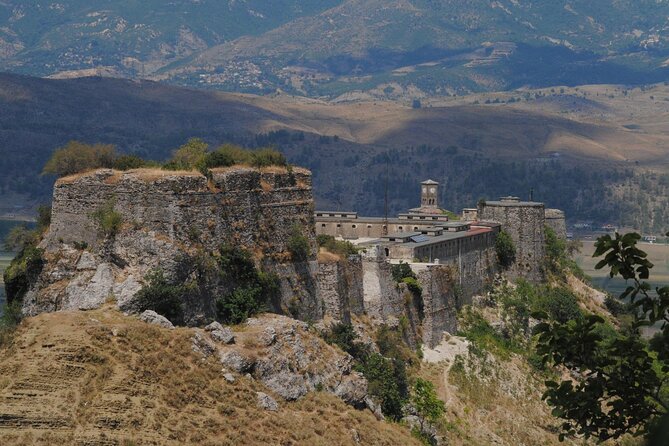
From the bazaar, the route continues uphill to Gjirokastra Fortress. The castle occupies the top of the hill, using the natural slope as protection. It was the earliest settlement area connected with the city and later served as a fortress and prison under different governments.
You get about one hour inside, and admission is included. The castle is often called the Crown of the City, a fitting nickname when you look back at the rooftops and steep streets below. The views are a major part of the visit. Gjirokastra spreads across the hillside in a way that is hard to understand from the bazaar alone.
The fortress is also tied to the Legend of Argjiro, the story of a young princess who sacrificed herself. Legends are woven into many old Albanian sites, and here the story helps give the stone walls a human edge. Your guide can add context as you move through the complex.
The castle was heavily restored for the last time in the 19th century. That means you should not expect every wall or room to remain untouched from its earliest period. Still, its position, scale, and long use give it weight. The site lets you connect the old town below with the military power that once controlled the hill.
The hour should be enough for the main views and a guided look around, but you may want more time if you enjoy fortifications or photography. The climb from the bazaar is another reason to pace yourself. Gjirokastra is not flat, and the castle stop comes after a long drive.
More Blue Eye Trips in Tirana
- Tirana/Durres/Golem: Saranda, Ksamil, Blue Eye Day Trip
★ 4.8 · 1,584 reviews - From Tirana/Durres/Shkoder: Theth & Blue Eye Tour (Smll Grp)
★ 4.7 · 249 reviews - From Tirana/Durres/Vlora:Blue Eye,Saranda & Ksamil Boat Tour
★ 4.9 · 163 reviews - From Tirana: Ksamil, Blue Eye & Saranda Tour with Boat Tour
★ 4.5 · 107 reviews
Rruga Palorto and the city’s famous neighbors
The tour then moves into Rruga Palorto, one of Gjirokastra’s best-known quarters. This section gives you a more personal connection to the city through two major 20th-century figures.
The family home of Enver Hoxha is here. Hoxha ruled communist Albania for decades and remains one of the country’s most important and controversial political figures. Nearby is the home associated with Ismail Kadare, Albania’s most famous modern writer. Seeing the two places close together creates an unusual contrast between political power and literary influence.
You get about an hour in this part of town. The stop is not only about famous names. It also shows how the city’s steep residential quarters differ from the bazaar and fortress. Stone houses, narrow lanes, and uphill routes continue, but the mood is more domestic.
The route includes the Path of Mad People, a name with its own local story. The supplied details do not explain the full tale, so listen to the guide here rather than expecting a standard museum display. You will also visit an interesting house in this area, though the exact house is not specified in the tour details.
This is one of the better parts of the day for people who enjoy local stories. The castle gives you broad historical context, while Palorto connects Gjirokastra with real personalities from Albania’s recent past. If you prefer ruins and views to house visits, you may find this section less compelling, but the guide can help bring it to life.
The Blue Eye, Albania’s striking spring
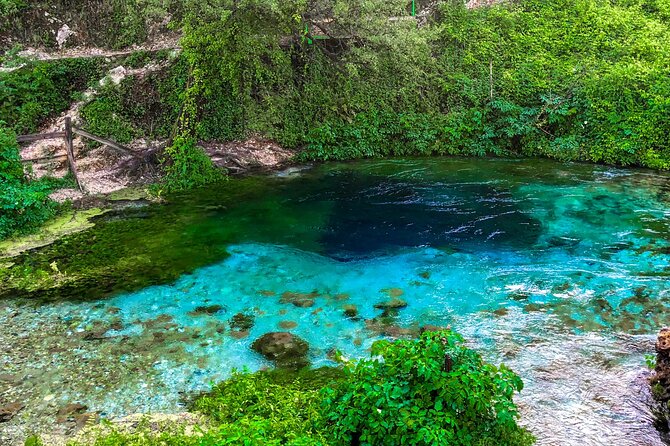
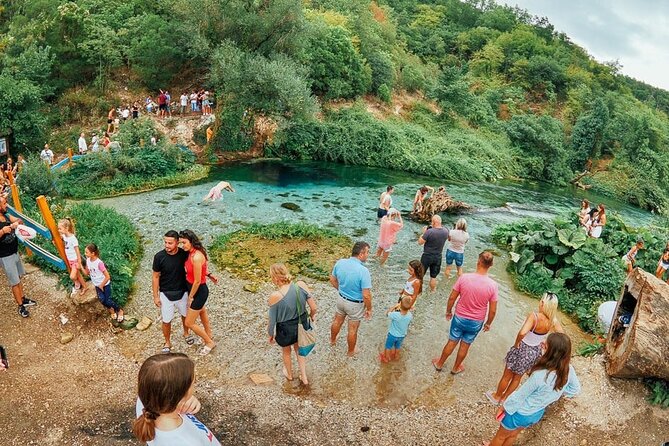
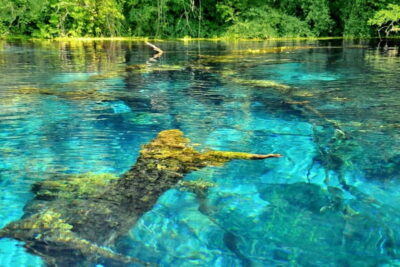
The final stop is the Blue Eye, or Syri i Kaltër, near Finiq. It is a natural spring with remarkably clear blue water. Sunlight reaches into the pool, creating the effect that gives the site its name.
From the parking area, you take an easy hike to the spring. The walk is short enough to fit into the schedule, and a café nearby offers a place to refresh. The stop lasts about one hour, and admission is included. The description also allows for a quick swim, so bring suitable clothing if you want to take advantage of that possibility.
The Blue Eye is photogenic, but the visit is brief. You will see the spring, take photographs, perhaps pause at the café, and then return to the vehicle. It is not a full nature walk or a long outdoor outing.
Here is where I would keep expectations in check. One account found the drive scenic but considered the spring itself underwhelming and recommended substituting Byllis Archaeological Site or possibly a Durres beach stop. That is a fair concern. The Blue Eye’s intense color is its main attraction, and not everyone will think it merits the extra distance after Gjirokastra.
The stop makes more sense if you like natural sights, want a change from stone streets, or hope to take a quick swim. If your priority is archaeology, ancient ruins, or more time in historic towns, you may prefer to ask about an alternative. Since this is a private tour, it is worth discussing your priorities with the provider before departure. The advertised route includes the Blue Eye, so any change should be agreed in advance.
Is $162.56 a fair price?
At $162.56 per person, this is not a budget excursion. The value depends heavily on how many people are in your private group and how much you value convenience.
The price includes private transportation, an air-conditioned vehicle, hotel pickup and drop-off, a guide, entrance fees, and all taxes. You are paying for a long-distance transfer as well as sightseeing. Hiring transport independently for a 230-kilometer round trip, arranging a driver, finding the sites, and paying admissions would take time and planning.
The tour becomes a better deal for a small group that wants a private vehicle. It is also useful if you are based in Durres and do not want to organize the journey yourself. For a solo visitor, the per-person cost is harder to justify, especially with lunch, snacks, and personal expenses still extra.
The 10 to 12 hour duration includes travel time. That point is important. You should not read the schedule as ten to twelve hours of sightseeing. The driving is a central part of the day, and delays may affect how long you have at each stop.
Who should book this experience?
I would recommend this trip to you if you want to see Gjirokastra but have no practical way to stay overnight in the south. It is also a good match if you prefer a private guide, hotel pickup, and a planned route over public transport connections.
History fans will appreciate the castle, bazaar, Ottoman-era town plan, and stories tied to Argjiro. People interested in modern Albania will find the Hoxha and Kadare homes particularly useful. Nature lovers may enjoy the Vjosa River views and Blue Eye, though the spring should not be treated as the unquestioned highlight.
You should think twice if you dislike long drives, winding roads, or early starts. You may also prefer a slower Gjirokastra visit with more time in the bazaar and residential quarters. The schedule is efficient, but it cannot offer the relaxed pace of an overnight stay.
Before booking, consider asking whether the itinerary can be adjusted. The private format may allow discussion of alternatives, but the listed plan includes the Blue Eye, so do not assume Byllis or a Durres beach stop is included. If those sites matter to you, settle that point ahead of time.
Free cancellation is available up to 24 hours before the start time for a full refund. Changes or cancellations made less than 24 hours before departure are not accepted for a refund, and the cutoff uses local time.
Should you book the Gjirokastra and Blue Eye tour?
Book it if your main goal is Gjirokastra without the transport headache. The castle, bazaar, Palorto quarter, and southern road make a worthwhile day, and private service adds comfort on a very long route.
I would book with a clear plan for the Blue Eye. If you love springs and want a quick swim, keep it. If you would rather see archaeology or spend time on the coast, ask about Byllis or Durres before paying. The tour is best for visitors who value access and ease more than a slow, deeply paced day.
FAQ
What time does the tour start?
The tour starts at 8:00 a.m.
How long does the experience last?
The total duration is approximately 10 to 12 hours, including travel time.
Is hotel pickup and drop-off included?
Yes. Hotel pickup and drop-off are included, and pickup is offered from Tirana or Durres.
Is this a private tour?
Yes. Only your group takes part in the activity.
Are entrance fees included?
Yes. Entrance fees, all taxes, private transportation, an air-conditioned vehicle, and a tour guide are included.
Are lunch and snacks included?
No. Snacks, lunch, souvenirs, and other private expenses are not included.
Newly listed around Tirana
- Wonderful Sunset and Dinner in the Castel Of Petrela★ 4.6 · 4 reviews
- Zipline Tirana Adventure & Petrela Castle – With Transport★ 4.4 · 10 reviews
- Wine Tasting & Vineyards Escape near Tirana★ 4.9 · 8 reviews
- Walking Tour in Tirana, Albania★ 3.7 · 28 reviews
- Vlora, Dhermi & Llogara Day Trip from Durrës or Golem★ 5.0 · 5 reviews
- Day Tour to Petrela Castle and Zip Line Albania Adventure★ 5.0 · 10 reviews
- From Tirana: Mount Dajti Adventure, Local Vibes & Cable Car opt★ 4.5 · 6 reviews
- Winetasting tour in Alpeta winery – Roshnik village by 1001 Albanian Adventures★ 5.0 · 26 reviews
Blue Eye Tours, compared.
Lekursi Castle, Blue Eye, Gjirokaster, & More Tour
Read our review →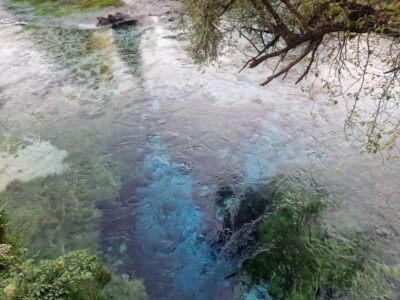
Daily Trip To:Blue Eye,Monastery,Gjirokaster&Lekursi Castle
Read our review →
Best of Saranda: Blue Eye, Butrint, Ksamil & Lekuresi Castle
Read our review →
Browse the lists this tour appears in