
Reviewed · MARKETS
Old Bazaar-Cfake-Dunavat-Ali Pasha Bridge Walking Tour
Gjirokastër has a quieter side. This three-hour walk leaves Cerciz Topulli Square for the Old Bazaar, Cfaka, Dunavat, and the remains of Ali Pasha’s aqueduct. I like the route because it shows old neighborhoods beyond the usual castle circuit, and I like the mix of cobblestones, historic houses, countryside views, and local religious sites. The main caution is simple: the terrain is uneven and sometimes uncomfortable, so sturdy sneakers are not optional.
The tour costs $17 per person, a fair price for an English-speaking guide and a route that reaches parts of town many visitors skip. Guide Besi has been especially warm and attentive, sharing family memories as well as local history. Still, one recent guest found the pace a little fast, so tell your guide if you need more time on hills or rough footing.
In This Review
- Key Points Before You Book
- Why This Walk Shows More Than Gjirokastër Castle
- Starting at Cerciz Topulli Square
- The Old Bazaar Beneath the Castle Walls
- Crossing Nanxa Stream Toward Cfaka
- Dunavat and the Bektashi Tekke
- Ali Pasha Bridge, the Walk’s Main Reward
- What $17 Buys You
- Who Will Enjoy This Walk Most
- Guide Style and the Human Side of the Tour
- Practical Advice for the Three Hours
- Should You Book the Old Bazaar to Ali Pasha Bridge Walk?
- FAQ
- Where does the tour begin?
- How long does the walking tour last?
- What language is the tour offered in?
- What places does the walk visit?
- Is the Ali Pasha Bridge an original complete bridge?
- What should I wear for the walk?
Key Points Before You Book
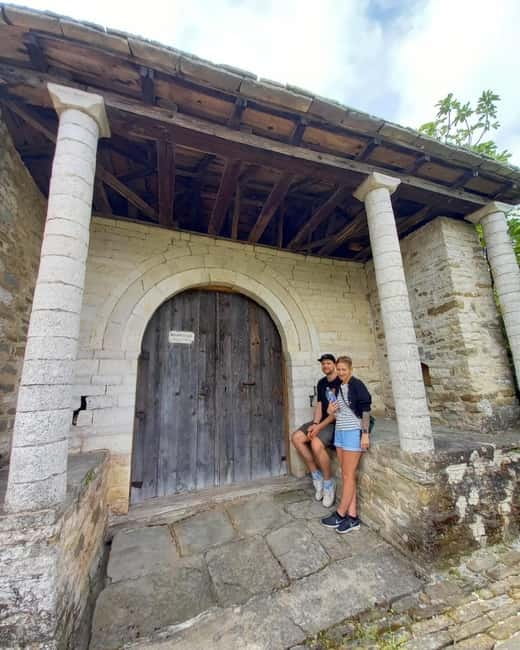
- Ali Pasha Bridge is the payoff: See the surviving section of a more than 200-year-old aqueduct built to carry water toward Gjirokastër Castle.
- The route leaves the tourist center quickly: From Cerciz Topulli Square, you move into the Old Bazaar and then into the quieter quarters of Cfaka and Dunavat.
- Cfaka preserves old domestic Gjirokastër: Expect historic houses, a rebuilt mosque, and streets with much less tourist activity.
- Dunavat adds a spiritual and rural note: The Bektashi tekke sits among old homes, hills, and sheep.
- Comfortable shoes matter: The walk includes cobblestones, slopes, streams, and uneven ground.
- English guidance is included: The tour lasts about three hours and allows free cancellation up to 24 hours before departure.
Why This Walk Shows More Than Gjirokastër Castle
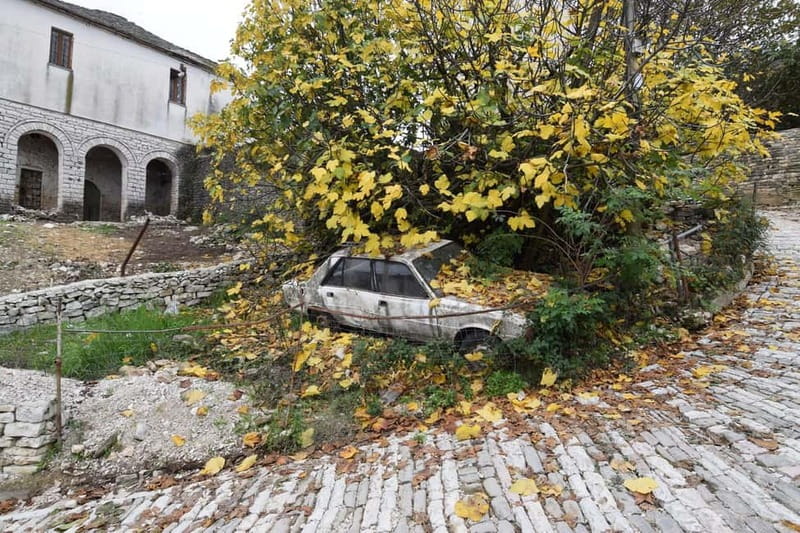
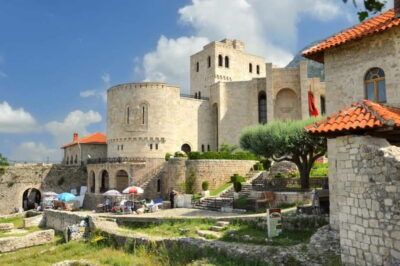
Gjirokastër is famous for its castle, stone roofs, and steep old streets. Those sights deserve your time, but they can give you a narrow picture of the town. This walk shifts the focus from major monuments to the older neighborhoods below and beyond the castle walls.
I like that change of pace. You see where the historic town extends into daily life, with old houses, religious buildings, streams, hills, and a landmark tied to the practical needs of the castle. The route feels less like a checklist and more like a walk through the town’s layers.
The experience begins at the office of Experience Gjirokastra, behind the statue of Cerciz Topulli on the town’s main square. That central meeting point is easy to find and useful if you are still getting your bearings. From there, your guide leads you toward the Old Bazaar.
The route description includes a 30-minute walk to a viewpoint, but the full outing takes about three hours. Starting times vary, so check the available schedule when booking. There is no transport involved in the walking route, and the return is to the Experience Gjirokastra office.
More Walking Tours in Gjirokaster
- Gjirokaster walking Tour Baazar – The Castle – Zekate house
★ 4.6 · 21 reviews - Walking Tour Baazar – The Argjiro Castle – Zekate house
★ 4.5 · 18 reviews - Walking Tour “The Old Bazaar, Cfake, Dunavat, Ali Pasha Bridge”
★ 5.0 · 10 reviews
Starting at Cerciz Topulli Square
Cerciz Topulli Square gives you a clear starting point in the center of town. It is also a sensible place to begin because the tour does not ask you to find a remote neighborhood on your own.
The guide introduces the walk here, then points you toward the Old Bazaar. This opening section helps connect the modern center with the historic quarters around the castle. You are not simply being taken from one famous attraction to another. You are following the way old Gjirokastër grew outward from its fortified core.
An English-speaking guide leads the experience. Besi received particularly strong praise for being personable, helpful, and interested in everyone on the walk. He also shared family stories and memories, which can give the history a more human scale. Guide assignments can change, so treat Besi’s style as a useful example rather than a guarantee.
The Old Bazaar Beneath the Castle Walls
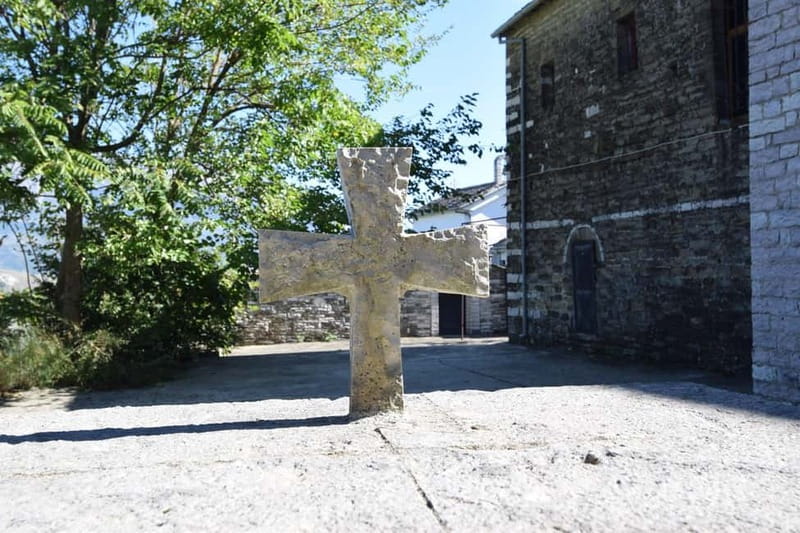
The first major area is the Old Bazaar, although the name can mislead you. It is no longer a functioning bazaar in the traditional sense. Instead, it is an old neighborhood lying beneath the castle walls, and its value comes from its setting and surviving architecture.
This was the first neighborhood outside the castle walls. The route follows characteristic cobblestones past some of the town’s oldest houses and an Orthodox church. These details matter because they show how Gjirokastër was organized beyond its military center.
The cobblestones are part of the charm, but they also set the tone for the physical demands ahead. You will be walking on old surfaces rather than smooth pavements. If your shoes have thin soles or poor grip, you may find the route tiring before reaching the bridge.
I like this beginning because it gives you time to notice the relationship between the castle above and the homes below. You get historic atmosphere without spending the whole tour inside a formal monument. The surroundings also provide a useful introduction to the stone architecture that makes Gjirokastër distinctive.
Crossing Nanxa Stream Toward Cfaka
After the Old Bazaar, the route passes the Nanxa stream and enters Cfaka, another ancient neighborhood. This transition is one of the reasons to choose the walk. Instead of turning back toward the center, you continue into an area that many visitors do not reach.
Cfaka is known for old houses, including buildings classified in the highest monument category. That designation signals architectural and cultural importance, but the experience of seeing them is different from visiting a museum. You encounter them as part of a lived-in neighborhood, along a route where the street and the setting are as important as the individual buildings.
The neighborhood also includes a rebuilt mosque. Its presence adds another piece to the town’s religious and architectural story. The supplied information does not specify the mosque’s interior access or whether you stop inside, so think of it as a landmark viewed along the walking route rather than a guaranteed indoor visit.
The walk through Cfaka may appeal most to you if you prefer quiet streets and older residential architecture over packed sightseeing zones. It is not the right choice if you want a short, flat stroll. The route continues across uneven ground and includes uphill and downhill sections.
Somewhere else in Albania, a completely different day:
- Saranda: Lekursi Castle, Blue Eye, Gjirokaster, & More Tour
★ 4.9 · 884 reviews - Daily Trip To:Blue Eye,Monastery,Gjirokaster&Lekursi Castle
★ 4.9 · 665 reviews - From Tirana/Durres: Saranda & Ksamil Beach and Gjirokastra
★ 4.9 · 428 reviews - Sarandë: Tour Gjirokaster,Blue Eye & Lekursi Castle
★ 4.7 · 220 reviews
Dunavat and the Bektashi Tekke
From Cfaka, the walk continues to Dunavat. This final neighborhood brings a different feel, combining old houses with open hills and views of sheep grazing above the town.
The Bektashi tekke is the main cultural stop here. The Bektashi Order is a religious tradition associated with Albania, and the tekke gives the route a spiritual dimension that the castle and old houses cannot provide. The information available does not promise a formal ceremony or interior tour, so you should expect to see the site as part of the walk and hear your guide explain its place in the neighborhood.
I like the way Dunavat widens the experience. The route is no longer only about stone walls and tightly packed streets. You begin to see the connection between town and countryside, with hills and animals close to the historic homes.
This is also where the physical side of the tour becomes more important. The combination of slopes, old paving, and rough terrain can make the pace feel demanding. One person found the guide moving a little quickly, while other comments praised the guidance and the views. If you need a slower pace, say so early. A good guide can usually adjust better when given clear information.
Ali Pasha Bridge, the Walk’s Main Reward
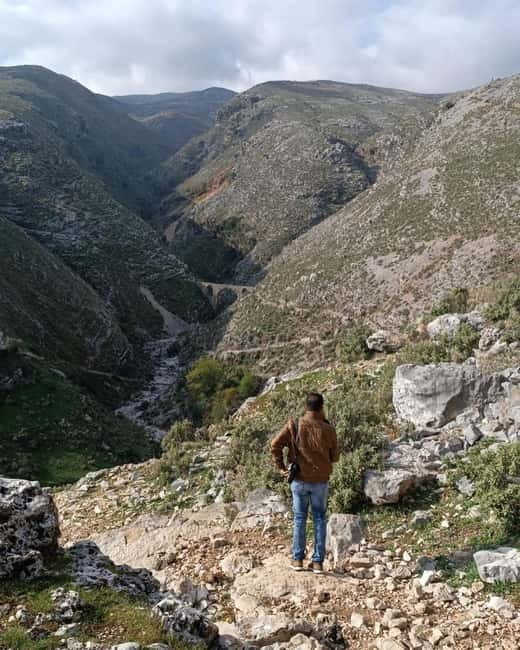
The Ali Pasha Bridge is the final destination and the strongest reason to book this particular route. The surviving bridge is a remnant of an aqueduct built by Ali Pasha Tepelena more than 200 years ago to bring water toward the castle.
It is not simply an old bridge placed in the countryside. It represents the practical systems that allowed the castle and town to function. Water supply was a basic need, and the aqueduct shows the reach of the ruler’s building projects beyond the fortress itself.
The setting adds to the appeal. You leave the denser old neighborhoods and reach a place where the bridge, hills, and open views can be taken in together. One short comment about the walk specifically praised the views, and this is likely the point where the route feels most rewarding after the uphill and uneven sections.
You should set your expectations correctly. The description calls the bridge a remaining part of the aqueduct, not a fully preserved water system. You are visiting surviving ruins, not a complete engineering complex. That is part of the interest, but it also means the appeal comes from the combination of history, setting, and the walk itself.
After the bridge, the tour returns to the Experience Gjirokastra office in the center. The full trip takes approximately three hours, so plan the rest of your day with enough space for a relaxed meal or another visit afterward.
What $17 Buys You
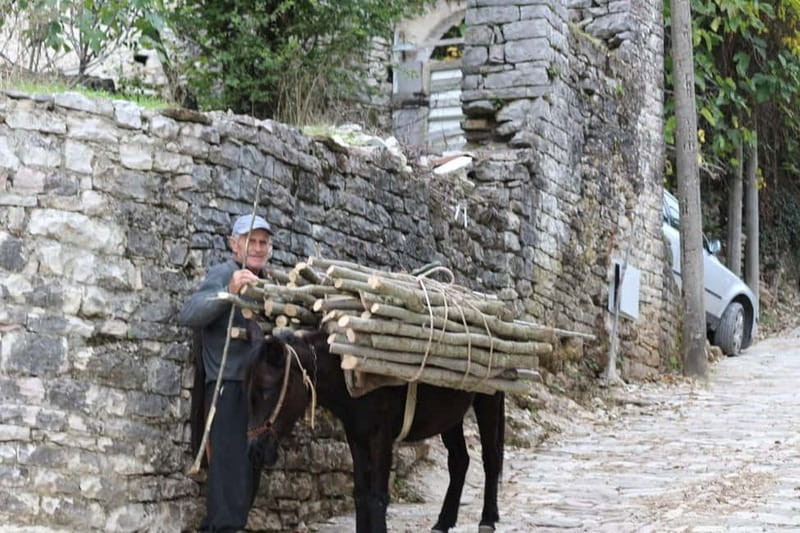
At $17 per person, this is a modestly priced guided walk. The value is not based on a long list of paid attractions. Instead, you are paying for local interpretation, route finding, historical context, and access to neighborhoods that can be difficult to understand on your own.
I think the price works especially well for first-time visitors who have limited time in Gjirokastër. A guide can connect the Old Bazaar, Cfaka, Dunavat, the Bektashi tekke, and the aqueduct remains into one clear story. Without that connection, you might see old houses and a bridge but miss why they belong together.
The price is less compelling if you only want the castle and central bazaar. You can walk around the main historic center without booking a tour, though you would not receive the same structured route or English commentary. This outing makes the most sense when you value local context and are willing to trade some comfort for access to less visited places.
The activity also offers free cancellation up to 24 hours in advance and a reserve-now, pay-later option. Those terms are useful if your schedule in Gjirokastër depends on weather or changing travel plans.
Who Will Enjoy This Walk Most
I would recommend the tour to you if you enjoy walking through old neighborhoods, looking at houses, and hearing how a town developed outside its main landmark. It is a good fit for curious visitors who have already seen or plan to see the castle and want a different side of Gjirokastër.
It also suits people who like a clear route with a definite finish. The Ali Pasha Bridge gives the walk a purpose, while the Old Bazaar, Cfaka, and Dunavat keep the journey from feeling like a simple out-and-back hike.
The tour may be less suitable for anyone uncomfortable with uneven terrain. The description specifically warns that the ground is not always comfortable. Wear sneakers or other sturdy walking shoes, and avoid treating this as a gentle pavement tour.
You should also consider the warm months carefully. The available comments include visits in June, July, and August, with positive remarks about the guide and views. Even so, the combination of hills and three hours on foot can feel harder in hot weather. The tour does not list refreshments or transport, so carry what you normally need for a half-day walk.
Guide Style and the Human Side of the Tour
The clearest praise goes to the guides. Besi was described as welcoming, courteous, attentive, and generous with both historical information and family stories. He also offered help when needed, an important detail on a route with rough footing.
That personal approach can change the feel of the walk. You are not only receiving dates and building names. Family memories can help place the neighborhoods in a living context, especially in Cfaka and Dunavat, where the experience depends more on atmosphere than on formal displays.
The guidance appears to be a strong part of the experience overall. Several comments praised the guide, the information, and the views. The one caution is pace. If the walk feels too quick, speak up rather than trying to keep up silently.
The overall score is 4.6 out of 5 from five ratings, with the most positive comments focusing on the friendly guide, useful information, and pleasant route. That is a small sample, but it points to a consistent strength: the human delivery matters as much as the destinations.
Practical Advice for the Three Hours
Wear sneakers with good grip. The route includes cobblestones and uneven terrain, and the walk passes through old neighborhoods rather than modern, smooth streets.
Allow the full three hours. The viewpoint section alone is listed as a 30-minute walk, and the route continues through several districts before reaching the bridge. Do not schedule a tight connection immediately afterward.
Meet behind the statue of Cerciz Topulli at the Experience Gjirokastra office. Since the starting point is in the main square, arrive with enough time to locate the office without rushing.
The tour is offered in English with a live guide. If you want a slower pace, tell the guide at the beginning. This is especially useful if you are not used to steep streets or rough surfaces.
Finally, keep your expectations focused on neighborhoods, scenery, ruins, and explanation. This is not a food tour, a castle interior visit, or a vehicle excursion. Its reward is seeing the quieter, more ordinary side of historic Gjirokastër.
Should You Book the Old Bazaar to Ali Pasha Bridge Walk?
Book it if you want to move beyond the castle and central streets. For $17, you get a three-hour English-guided route through the Old Bazaar, Cfaka, and Dunavat, ending at a 200-year-old aqueduct remnant with good views.
I would skip it only if uneven ground, hills, or a three-hour walk sound unpleasant. For everyone else, this is a practical way to meet the real neighborhoods of Gjirokastër, with a friendly guide and a worthwhile final stop.
FAQ
Where does the tour begin?
The meeting point is the Experience Gjirokastra office at the main square, behind the statue of Cerciz Topulli.
How long does the walking tour last?
The tour takes approximately three hours. A 30-minute walk to a viewpoint is included in the route information.
What language is the tour offered in?
The live guided tour is offered in English.
What places does the walk visit?
The route begins at Cerciz Topulli Square and continues through the Old Bazaar, Cfaka, and Dunavat before reaching Ali Pasha Bridge. It also passes the Nanxa stream, an Orthodox church, old historic houses, a rebuilt mosque, and a Bektashi tekke.
Is the Ali Pasha Bridge an original complete bridge?
The bridge is described as a remaining section of the aqueduct built by Ali Pasha Tepelena more than 200 years ago to bring water to the castle.
What should I wear for the walk?
Wear comfortable sneakers or sturdy walking shoes. The route includes uneven and uncomfortable terrain.
More Markets in Gjirokaster
- From Durres/Golem: Kruja Castle & Old Bazaar Day Tour
★ 4.9 · 1,317 reviews - Durres/Golem: Kruja Castle & Bazaar with Traditional Lunch
★ 5.0 · 632 reviews - Kruja castle, the old Bazaar & Sarisalltik- Departure from Tirana
★ 5.0 · 592 reviews - From Tirana/Golem/Durres: Kruja, Bazaar, Sari Salltik Tour
★ 4.8 · 471 reviews
More Shopping Tours in Gjirokaster
- Gjirokaster Walk Tour: Old Bazaar, Cfake, Dunavat, AliPasha!
★ 4.2 · 9 reviews - Gjirokaster: Old Bazaar and Castle Private Walking Tour
★ 5.0 · 6 reviews - Blue Eye & Gjirokaster: 4×4 Tour and Old Bazaar
★ 5.0 · 3 reviews - From Tirana: Kruja Castle, Old Bazaar & Sari Salltik View
★ 4.8 · 2,171 reviews
Newly listed around Gjirokaster
- Vlora, Llogara & Dhërmi: Albanian Riviera from Durres/Golem★ 4.9 · 7 reviews
- From Vlora: Albanian Riviera, Blue Eye & Gjirokaster Day Trip★ 4.0 · 6 reviews
- Full Day South Albania Expedition Blue Eye & Gjirokaster★ 4.0 · 4 reviews
- Day Tour of Gjirokastra & Blue Eye from Tirana or Durres★ 5.0 · 10 reviews
- Gjirokastra, Full Day Trip from Tirana★ 5.0 · 2 reviews
- Full Day trip to Stone City of Gjirokastra & Blue Eye★ 5.0 · 2 reviews
- Private Day Tour of Gjirokastra from Tirana★ 5.0 · 10 reviews
- Private Tour from Tirana, Gjirokastër , Saranda and South Riviera★ 5.0 · 10 reviews
Markets, compared.
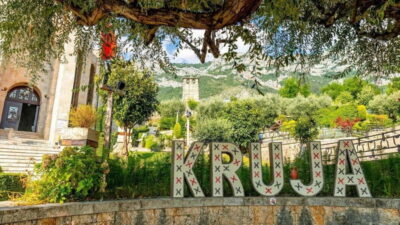
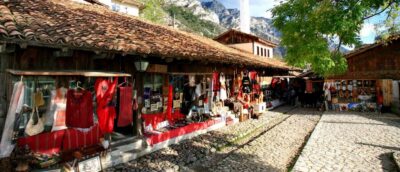
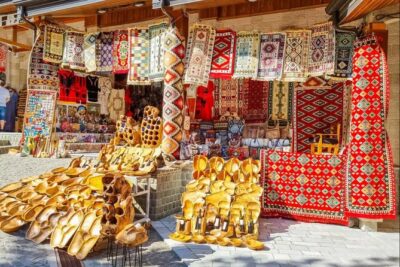
Kruja castle, the old Bazaar & Sarisalltik- Departure from Tirana
Read our review →
Browse the lists this tour appears in