
Reviewed · WALKING TOURS
Vlora Old City Walking Tour
Vlora’s story begins at a flagpole. This two-hour walking tour brings you through Flag Square, the renovated Old City, the Ethnographic Museum, Muradije Mosque, and the Old Market, linking Albania’s independence story with everyday local traditions. I like the clear route and the chance to see central Vlora on foot, rather than passing its landmarks from a bus window.
I also like the local guide format. Guides such as Silva and Dario have been praised for explaining Albanian and Vlora history, answering questions, and suggesting good cafés and restaurants. The main consideration is that parts of the visit can change at short notice. A mosque and museum were closed during one tour, and the replacement café stop made the experience less focused for that group.
In This Review
- Key points to know before booking
- Why Vlora makes a good walking-tour city
- Starting at Muradije Mosque
- Flag Square and the independence story
- The renovated Old City
- The Ethnographic Museum and everyday Albania
- Muradije Mosque as the architectural centerpiece
- Ending at Vlora’s Old Market
- Guides, languages, and the pace of the walk
- Is $29 a fair price?
- Who should book this Vlora walking tour?
- Should you book it?
- FAQ
- Where does the Vlora Old City Walking Tour start?
- Where does the tour finish?
- How long does the walking tour last?
- What languages are available?
- Is the Ethnographic Museum ticket included?
- What places are visited?
- Is the tour wheelchair accessible?
- Can I cancel for a full refund?
Key points to know before booking
- Flag Square gives the tour a strong starting point: This is where Albania declared independence from the Ottoman Empire on November 28, 1912.
- The route covers four different sides of Vlora: You get political history, old architecture, cultural traditions, and local food life in one compact walk.
- Muradije Mosque is a rare architectural stop: Built in 1542 by Sinan the Great, it is his only surviving work in Albania.
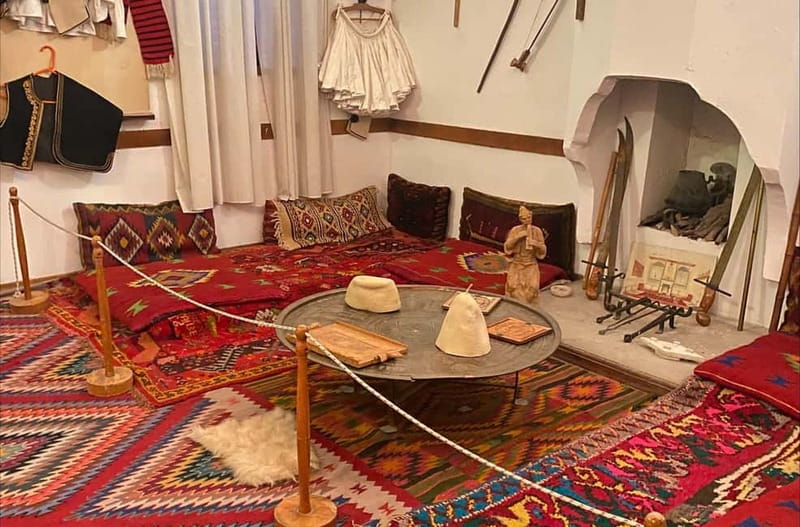
- The Ethnographic Museum adds useful context: Clothing, furniture, and household traditions help turn historical facts into something tangible.
- The guide can add practical local advice: Silva has recommended cafés and restaurants, while Dario received especially warm praise for his guiding.
- The price is reasonable for a short private-feeling introduction: At $29 per person, the value depends largely on whether the museum and mosque are open.
Why Vlora makes a good walking-tour city
Vlora sits at the meeting point of the Adriatic and Ionian Seas and marks the beginning of Albania’s Riviera. Its coast combines rocky stretches with sandy beaches, but the city itself deserves more than a quick stop for swimming and seafood.
The place has ancient roots. Vlora was known as Aulona and dates back to the 6th century B.C.E. You will not see every era in a single street, but the tour gives you a useful outline of how this coastal city developed and why it matters to Albania.
I think the walking format works especially well here because the historical sights are concentrated in the central area. The route begins and ends at Muradije Mosque, so you do not need to arrange transport between stops. You can focus on the guide’s explanations and keep your bearings in a city that may otherwise feel like a mix of seaside resort, working town, and historic center.
The two-hour length is also practical. You get a proper introduction without giving up half your day at the beach or taking time away from a longer southern Albania itinerary.
More Walking Tours in Vlore:
- Vlore: City Walking Tour with Local Guide
★ 4.9 · 15 reviews - Gorge Walking & Rock Scramble The Canyon of Gjipe
★ 4.5 · 5 reviews - Walking Tour of Tirana
★ 5.0 · 646 reviews
Starting at Muradije Mosque
The meeting point is Muradije Mosque, where you meet the Trips Albania guide. This is a convenient beginning because the mosque is both a historic landmark and the final stop on the route.
The mosque was built in 1542 by Sinan the Great, the famous Ottoman architect. It is described as his only remaining work in Albania, which gives the building unusual importance for anyone interested in Ottoman architecture. Even if you are not a specialist, that fact gives the first stop a clear sense of place.
The mosque also helps frame Vlora as a city shaped by several periods and cultures. The tour does not treat Albanian history as a single, simple story. Instead, you move from Ottoman-era architecture to the national independence movement and then to local customs.
One practical warning matters here: opening conditions can change. A scheduled mosque visit was unavailable on one occasion, so it is best to think of this as a planned highlight rather than an absolute guarantee. The guide may adjust the route if a site is closed.
Flag Square and the independence story
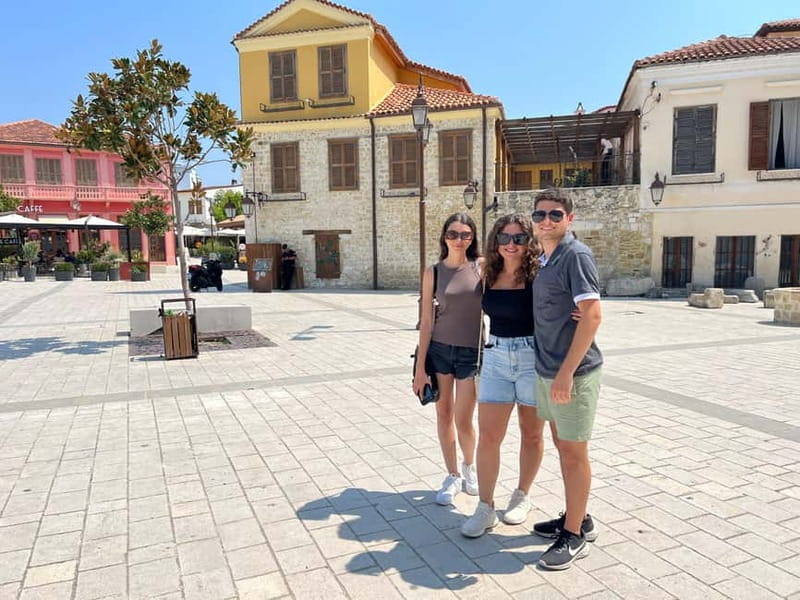
From Muradije Mosque, the tour goes to Sheshi i Flamurit, or Flag Square. This is the most important political stop on the walk.
On November 28, 1912, Albania declared independence from the Ottoman Empire here. The First National Assembly took place in Vlora, and the Albanian flag was raised at this location. That makes the square more than a ceremonial public space. It is the place where the modern Albanian state began.
I find this kind of stop most useful when a guide explains the event in relation to the city around you. Vlora was not chosen simply because it was scenic. Its position on the coast and its long history made it an important center in the country’s political story.
Expect about half an hour of guided explanation at this part of the route, based on the stated schedule. That should give you enough time to understand the basic events and ask questions, but not enough for a long political history lecture. If independence-era Albania interests you, use this time to ask the guide for more detail.
The best guides on this tour seem to make room for questions. Helene specifically valued the pauses and opportunities to ask about Vlora and Albania more broadly. That is useful because the country’s modern history can be unfamiliar to many first-time visitors.
The renovated Old City
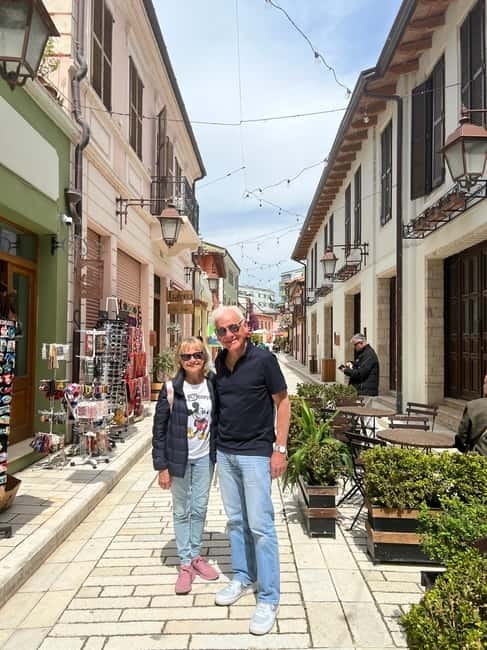
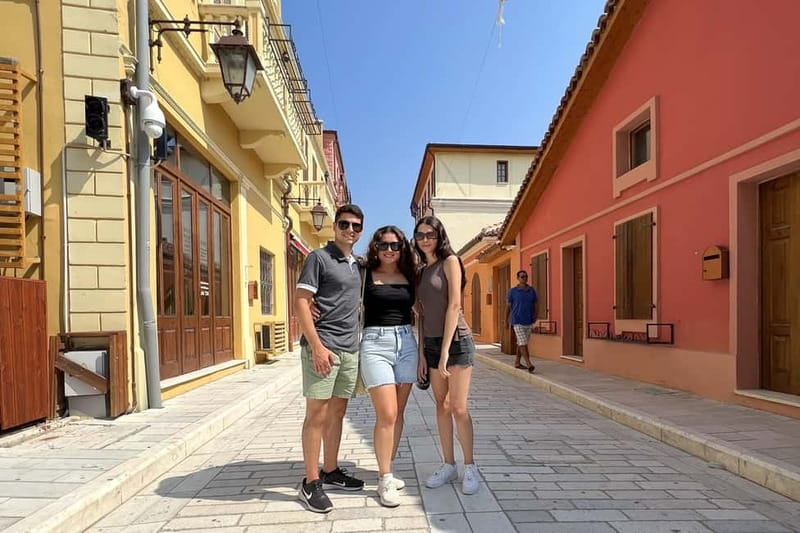
The next section takes you through Vlora’s newly renovated Old City. This is where the tour shifts from national events to the physical character of the town.
A guided walk through an old district can reveal details you might miss alone: the relationship between streets and public spaces, the age of buildings, and the way the city’s past has been preserved or changed. The renovation also means you should not expect a perfectly untouched historic quarter. It is a living part of Vlora, not a museum set.
The Old City section lasts roughly another half hour in the listed schedule. That is enough time for a measured walk and commentary, but the experience will depend on the group’s pace and the guide’s style. One person found the tour too slow and uninteresting, while several others described the guides as engaging and informative. That difference suggests you will get the most from this part if you ask questions and show interest in specific subjects.
I would pay attention to the contrast between restored areas and ordinary city life. The value here is not only in photographing old façades. It is in seeing how Vlora’s past fits into a present-day Albanian city.
A few more Vlore trips worth comparing
- Vlorë: Sazan Island, Haxhi Ali Cave, and Karaburun Boat Tour
★ 4.8 · 2,170 reviews - Vlorë: Sazan Island, Haxhi Ali Cave, and Karaburun Boat Tour
★ 4.9 · 947 reviews - Vlore: Haxhi Ali Cave, Karaburun Speedboat Tour & Snorkeling
★ 4.9 · 867 reviews - From Vlore: Haxhi Ali Cave & Karaburun Beach Speedboat Tour
★ 4.9 · 791 reviews
The Ethnographic Museum and everyday Albania
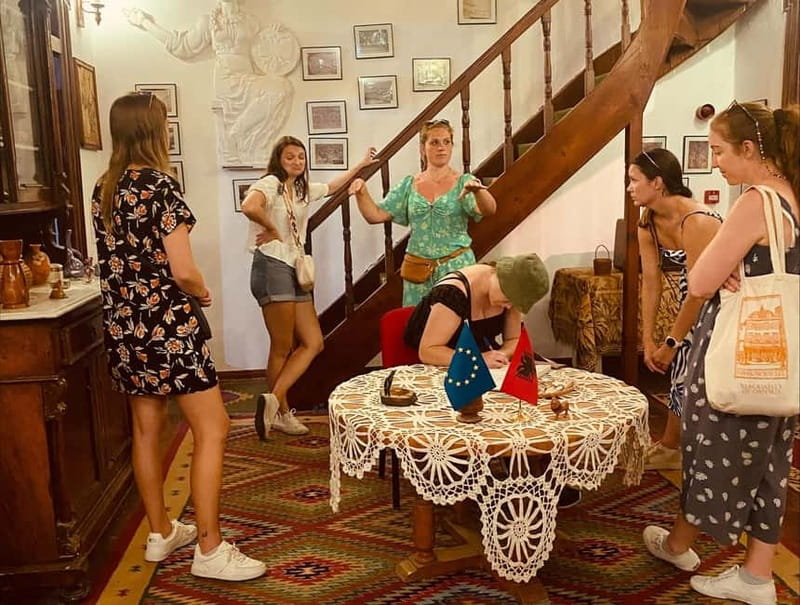
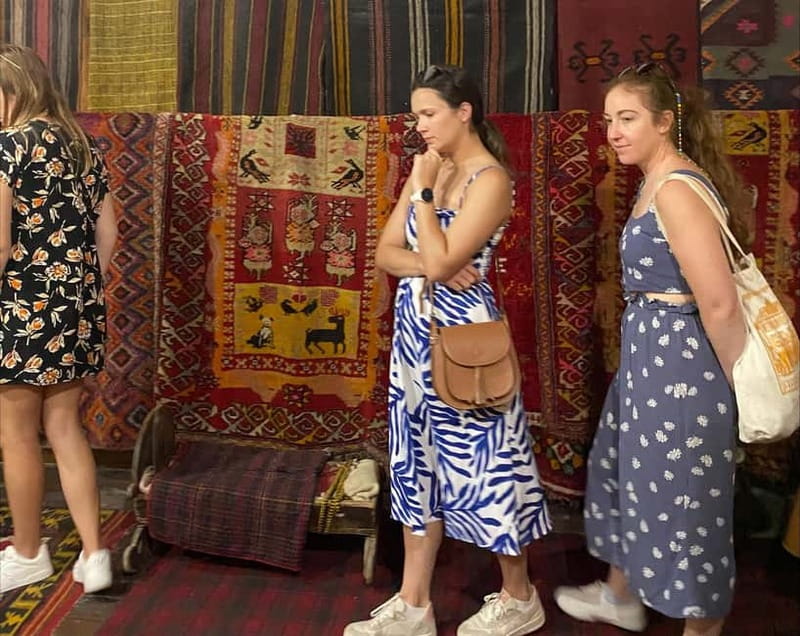
The Ethnographic Museum adds a different layer to the tour. Instead of focusing on major political events or religious architecture, it presents traditions, clothing, and furnishings associated with Albanian culture.
This is an important stop because historical dates alone can make a place feel distant. Household objects and traditional clothing show how people lived, worked, and presented themselves. The museum may be especially helpful if you are new to Albania and want cultural context before exploring other parts of the country.
The museum ticket is included in the $29 price. That improves the value, since you are not paying separately for the main indoor cultural stop. Still, the museum’s contribution depends on it being open and on the amount of time available during the visit.
A closure forced one group to replace the mosque and museum portion with a café stop. The guide handled the change, but the result was less satisfying for that group. If the museum is a priority, confirm its availability with the operator as your tour date approaches.
Muradije Mosque as the architectural centerpiece
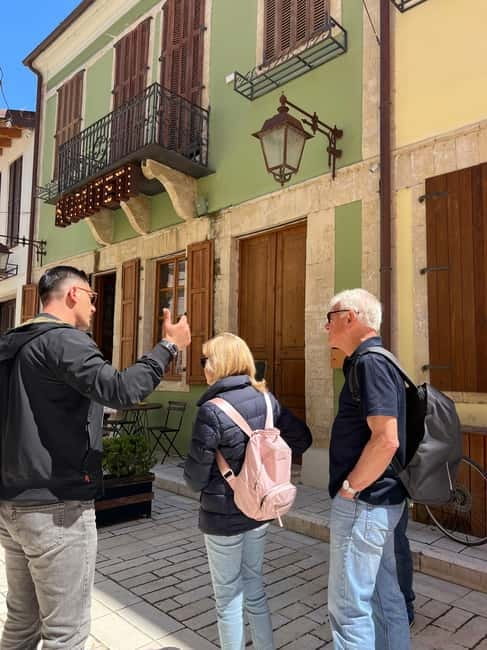
Although the tour starts at Muradije Mosque, it is also listed as a dedicated visit later in the route. That gives the building more than a quick introduction. It functions as both a meeting point and one of the central subjects of the walk.
The 1542 date places the mosque in the Ottoman period, while its connection to Sinan gives it a wider architectural importance. You do not need to know Ottoman history in advance to appreciate the stop. The guide’s job is to explain why this particular building matters in Albania and how it fits into Vlora’s story.
Because the route returns here at the end, the mosque is also convenient for your next plan. You can leave directly for another central sight, a meal, or further exploration without needing to find a second pickup point.
Again, allow for the possibility of a closure. The supplied information confirms that a mosque visit was missed on one occasion. That is not a reason to reject the tour, but it is a reason to keep expectations flexible.
Ending at Vlora’s Old Market
The final part of the experience takes you to Vlora’s Old Market. This is where the tour moves from formal history to food, shopping, and local daily life.
The market is described as a place to experience Albanian culinary traditions. The tour may not include a full meal, but you can expect an introduction to the kinds of food and customs associated with the area. I like this ending because it leaves you with something practical: ideas for what to taste after the tour and where to continue exploring.
Silva has also been praised for recommending local cafés and restaurants. That can be more useful than a generic list found online, especially if you want to stay near the historic center or try Albanian food rather than defaulting to familiar international choices.
The market is likely to feel less formal than Flag Square or the mosque. That variety is one of the route’s strengths. In two hours, you move from the place where independence was declared to a setting tied to ordinary commerce and local eating habits.
Guides, languages, and the pace of the walk
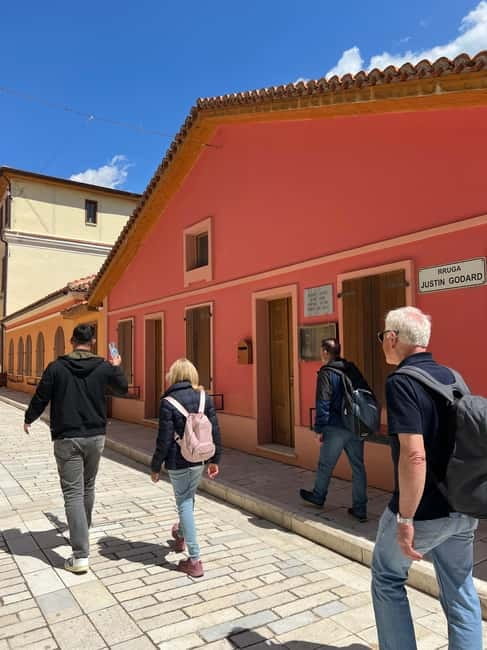
Trips Albania provides a live guide in English, Italian, Spanish, or Albanian. That range is helpful for mixed-language groups and gives you a better chance of receiving explanations in a language you understand comfortably.
The guide quality appears to be the biggest factor in the experience. Silva was praised for her friendly manner, openness, historical explanations, and local food suggestions. Dario was described as an excellent guide, and another guide was praised for being engaging and well informed about the sites.
There is one language-related caution. A group containing English and Italian speakers experienced pauses because communication was split between languages. If you are joining a mixed-language departure, the pace may be less even as the guide moves between languages.
The tour is wheelchair accessible, which makes the walk available to a wider range of visitors. The supplied details do not describe the exact street surfaces, slopes, or restroom arrangements, so you may want to ask Trips Albania for those specifics if they affect your planning.
Is $29 a fair price?
At $29 per person, this is a fair price for a two-hour guided introduction, especially because a museum ticket is included. You are paying for a local guide, a planned route, historical interpretation, and help connecting the sights to Albanian culture.
The value is strongest if you are spending only a short time in Vlora. You can cover the main historic points quickly, then use the rest of your stay for beaches, the Riviera, or independent sightseeing. A self-guided walk would cost less, but it would not give you the same explanation of the independence site, the mosque’s architectural background, or the museum displays.
The value is weaker if you mainly want a long museum visit or a food tour. This is still a sightseeing walk, not a dedicated culinary experience. Also, if two major indoor stops close, the tour becomes more dependent on the guide’s storytelling and substitute plans.
Free cancellation up to 24 hours before the start and the option to reserve now and pay later make the booking less risky. The tour lasts two hours, with starting times subject to availability.
Who should book this Vlora walking tour?
I would recommend it to first-time visitors who want a quick orientation before exploring the coast. It suits history-minded visitors, people interested in Albanian culture, and anyone who prefers local explanations to reading plaques alone.
It is also a good choice for travelers with limited time in Vlora. The central meeting and return point reduce logistical fuss, and the route includes the city’s key historical themes.
Families and mixed-age groups may appreciate the short format, though the appeal will depend on how interested everyone is in history. The tour is less suitable if you want an energetic outdoor excursion, a beach activity, or a long food tasting.
Your guide matters. If you want a lively, conversational experience, ask for the guide’s preferred language and confirm the planned museum and mosque access. That small check could make the difference between a strong introduction and a more ordinary stroll.
Should you book it?
Book this tour if you want Vlora’s story in a compact, human-scale format. The strongest elements are the independence history at Flag Square, the unusual Muradije Mosque connection, the cultural displays at the Ethnographic Museum, and the practical food advice that can improve the rest of your stay.
I would not book it expecting every stop to be guaranteed or the walk to suit every personality. One rating was only three stars because the tour felt boring, and a separate visit lost both the mosque and museum to closures. Still, the overall rating is 4.6 from 14 ratings, with especially warm praise for Silva, Dario, and the tour’s historical content.
For $29, it is a sensible first look at Vlora, particularly if you have just arrived and want to understand what you are seeing before heading along the Albanian Riviera.
FAQ
Where does the Vlora Old City Walking Tour start?
The meeting point is Muradije Mosque, where you meet the Trips Albania guide.
Where does the tour finish?
The tour returns to Muradije Mosque.
How long does the walking tour last?
The tour lasts two hours.
What languages are available?
The live guide is available in English, Italian, Spanish, and Albanian.
Is the Ethnographic Museum ticket included?
Yes. The museum ticket is included in the tour price.
What places are visited?
The route includes Flag Square, Vlora Old City, Vlora’s central historic area, the Ethnographic Museum, Muradije Mosque, and the Old Market.
Is the tour wheelchair accessible?
Yes, the activity is listed as wheelchair accessible.
Can I cancel for a full refund?
Yes. You can cancel up to 24 hours in advance for a full refund.
Newly listed around Vlore
- Vlore: Private Speedboat Tour to Sazan-Karaburun Marine Park★ 5.0 · 2 reviews
- Vlore: Dafina Cave & Haxhi Ali Cave Speedboat Guided Tour★ 4.9 · 30 reviews
- Vlore Sunset at Haxhi Ali Cave★ 5.0 · 2 reviews
- Vlore: Private Speedboat Tour to Haxhi Ali Cave★ 5.0 · 2 reviews
- Vlore: Dafina Cave & Haxhi Ali cave Private Guided Tour★ 5.0 · 4 reviews
- Haxhi Ali Cave & Saint Vasil Beach Tour from Vlore★ 3.6 · 6 reviews
- Vlore: Speedboat Adventure Sazan Island & Haxhi Ali Cave★ 4.4 · 18 reviews
- Vlore: Sazan Island & Haxhi Ali Cave Speedboat Guided Tour★ 4.9 · 26 reviews
Walking Tours, compared.
Tirana Center: Magic Walking Tour French/Italian/English Etc
Read our review →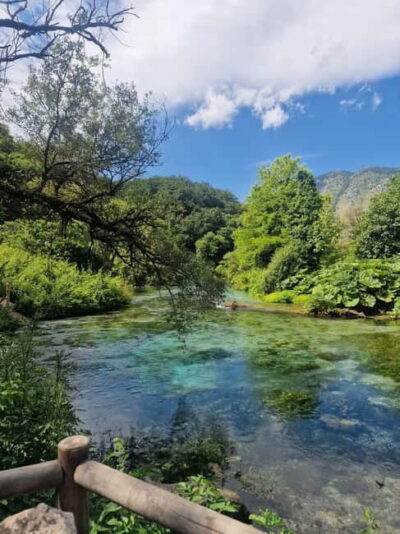
Blue Eye Kayak and walking tour & Lekursi Castle
Read our review →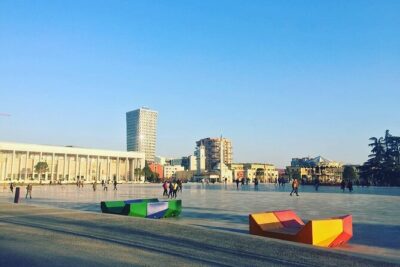

Browse the lists this tour appears in