
Reviewed · WALKING TOURS
Saranda: 2.5-hour walking tour around the city
Saranda reveals itself one small stop at a time. This 150-minute walking tour links the city’s synagogue ruins, wartime bunker, museums, and seafront, giving you a useful first look without taking up a whole day. I like the clear route from the port and the chance to hear local history explained by a guide rather than piecing it together from closed doors and small signs.
I also like the focus on Saranda’s recent past, not only ancient stones. The bunker and Museum of Tradition add stories about daily life, politics, and customs. The main drawback is scale: some stops are modest, especially the archaeological museum, so you should book this for interpretation and context, not grand monuments.
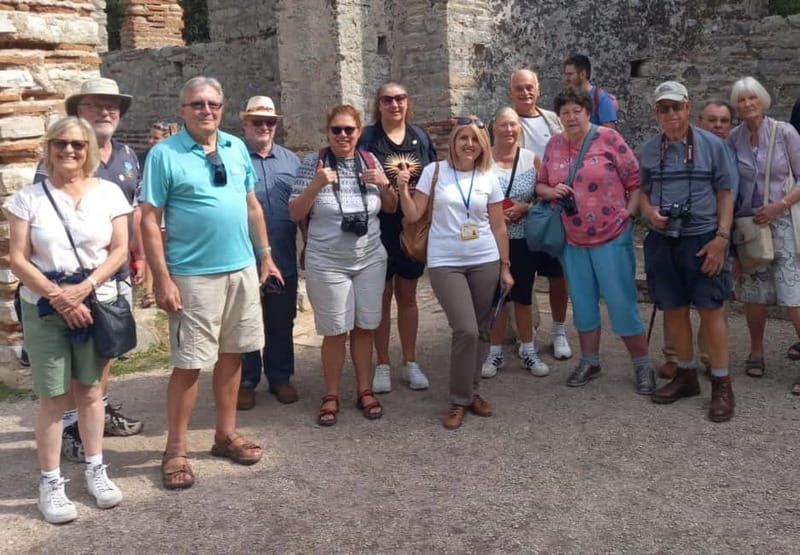
The guide is listed as Elmira Qesaraku, known as Mira in the tour feedback. Her strongest praise centers on warm personal attention, clear explanations, and help with practical questions about Himarë, Ksamil, and Butrint. That extra guidance can be especially useful early in your stay.
In This Review
- Key points to know before booking
- Why this short Saranda walk works
- Meeting Mira at Saranda Port
- The synagogue complex and Saranda’s ancient past
- A bunker and the harder side of modern Albania
- The Archaeological Museum behind an unassuming entrance
- The Museum of Tradition and everyday life
- Walking the promenade beside the Ionian Sea
- The café pause and what you should budget
- Guide quality and the personal touch
- Who should book this 150-minute experience?
- Booking, cancellation, and practical details
- Should you book the Saranda walking tour?
- FAQ
- How long does the Saranda walking tour last?
- How much does the tour cost?
- Where does the tour start?
- Where does the tour finish?
- What museums are included?
- Are museum entrance fees included?
- What languages does the guide speak?
- Is food included?
- What should I bring?
- Is the tour suitable for wheelchair users?
Key points to know before booking
- The port is the starting point and finish: This makes the tour handy if you arrive by ferry or want an easy place to find the guide.
- The 5th-century synagogue ruins are the historical anchor: You get an introduction to Saranda’s ancient Jewish community and the site’s place in the city’s past.
- Two small museums carry much of the educational value: The Archaeological Museum and Museum of Tradition are best understood with a guide’s explanation.
- The bunker adds a sharp change of subject: You move from ancient remains to wartime memory and Albania’s communist period.
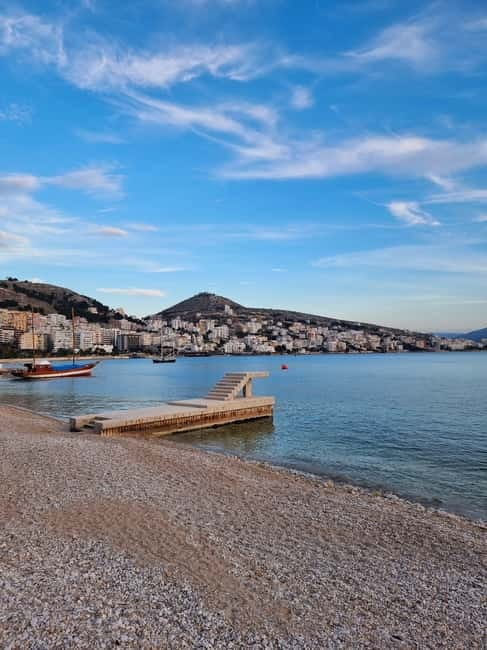
- The promenade supplies the relaxed finish: Sea views, cafés, shops, and a local café stop soften the more serious museum visits.
- The $23 price includes both museum entries and a live guide: Food, drinks, and transport are not included.
Why this short Saranda walk works
Saranda is often treated as a base for Butrint, Ksamil, and the beaches farther south. That is sensible, but it can leave the city itself feeling like a place you only pass through. This tour gives you a reason to pause.
The route covers several periods in a compact area. You start with ancient religious remains, shift to wartime and communist-era memory, then examine archaeology and local customs before ending beside the Ionian Sea. I like that progression because it gives you more than a postcard view of the waterfront.
At $23 per person, the tour offers fair value if you want a guide and plan to visit both museums. The two entrance fees are included, as is the professional guide. You are paying mainly for the explanations and the way the stops connect, not for a large number of famous monuments.
The tour is available in Albanian and English. Its 150-minute length suits a first morning, an afternoon before dinner, or a port stop with limited time. You should still check the starting time when booking, since the schedule varies.
More City Tours in Saranda
- From Saranda: Gjirokastra Stone City & Blue Eye Day Trip
★ 4.9 · 121 reviews - Gjirokastra- The Stone City & Blue Eye- The monument of Nature.
★ 4.5 · 180 reviews - Tour to Butrint Antic City/Blue Eye Spring/Lekursi Castle
★ 5.0 · 43 reviews
Meeting Mira at Saranda Port
The meeting point is the Port of Saranda, a practical choice for a city walk. A recent participant described Mira waiting with a large sign, making her easy to spot. That matters at a busy port, especially if you have just arrived and do not yet know the waterfront.
From the port, expect to walk through the city rather than ride between stops. The route returns to the same general area at the end, which keeps the logistics simple. There is no included bus, taxi, or private transfer.
Wear comfortable clothes and sensible walking shoes. Sunscreen and water are important, particularly during the warmer months. The tour is not suitable for wheelchair users or people with mobility impairments, so you should take the walking conditions seriously before booking.
The synagogue complex and Saranda’s ancient past
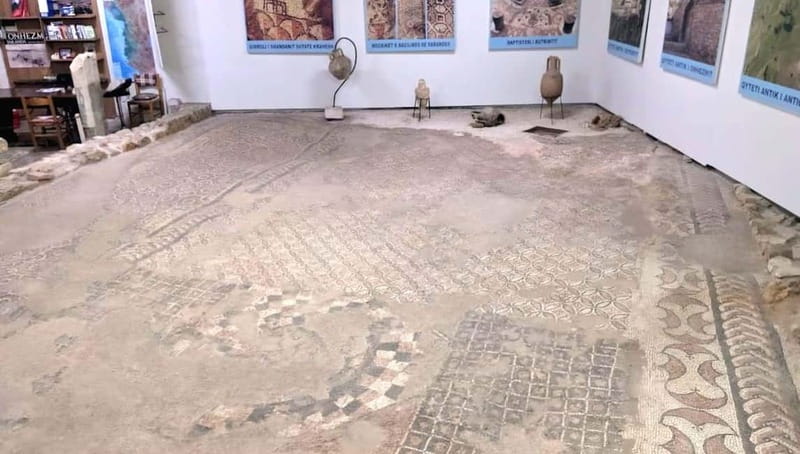
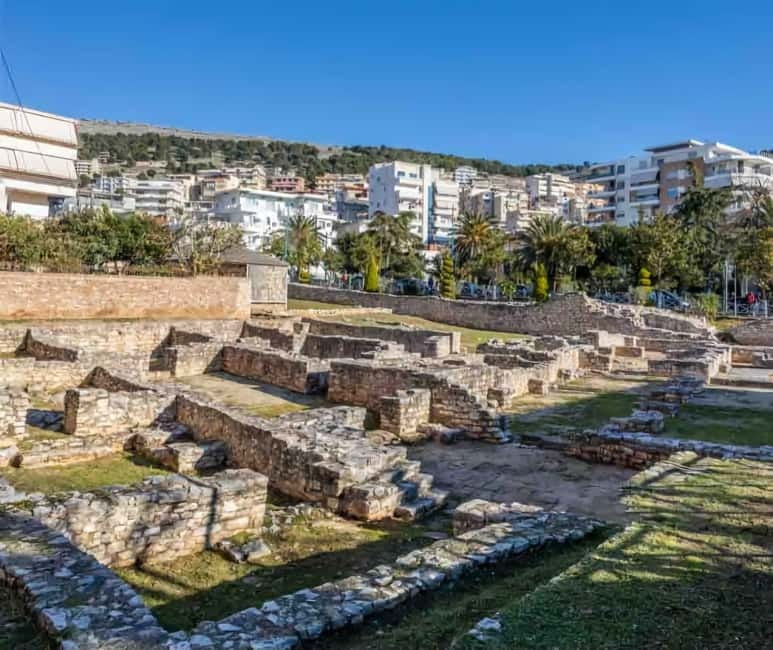
The first major stop is the Sarandë Synagogue, also called the Synagogue Complex. Here you see the remains of a 5th-century synagogue and hear why the site matters.
The value of this stop is not its size. The remains do not form a vast archaeological park. Instead, the guide helps you read what is left and understand the presence of a Jewish community in ancient Saranda. Without explanation, the stones and floor details could be easy to overlook.
I like this as the opening historical stop because it immediately shows that Saranda’s past is older and more varied than its modern resort image suggests. Ask the guide about the complex’s religious role and how the site fits into the wider story of the city.
Give yourself realistic expectations. This is a compact ruin, not a replacement for a full day at Butrint. Its strength is the focused story and the chance to begin the tour with something you might otherwise walk past.
A bunker and the harder side of modern Albania
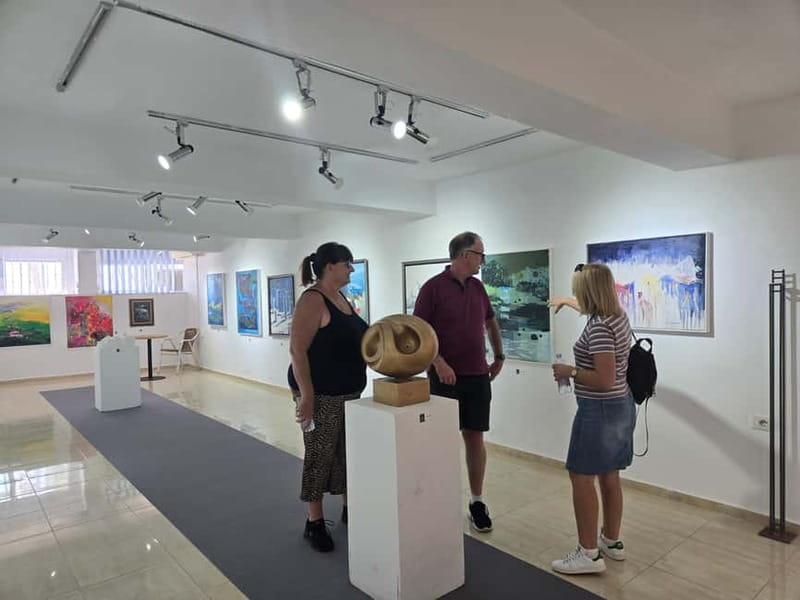
The next stop is a bunker, mainly used for a photo stop and a short explanation. The subject shifts from antiquity to Albania’s wartime experience and the communist regime.
That change is useful. A visit to Saranda can easily become all sea views and restaurant tables, but the bunker points to a more difficult chapter. It helps you place modern streets and buildings within Albania’s political past.
The stop is brief, so do not expect a museum-style presentation with a large collection. The bunker works as a visual prompt. Mira’s role, or that of the assigned guide, is to explain why such structures were built and what they represented in the region.
I find this part valuable for visitors who want more than dates and ancient artifacts. It gives the tour a human and political dimension. At the same time, anyone seeking a detailed study of Albania under communism will need a separate museum or longer historical visit.
More Walking Tours in Sarande:
- Sarande: Blue Eye Kayak and walking tour & Lekursi Castle
★ 4.8 · 278 reviews - Walking Tour of Tirana
★ 5.0 · 646 reviews - Tirana: Express Walking Tour with a Guide
★ 4.8 · 503 reviews - Tirana Center: Magic Walking Tour French/Italian/English Etc
★ 4.9 · 402 reviews
The Archaeological Museum behind an unassuming entrance
The Archaeological Museum is one of the included admissions. It is described as a small, one-room museum, so keep your expectations modest. The collection is not the kind of display that will take an entire afternoon.
Its strength comes from interpretation. A guide can explain how individual objects relate to Saranda and the surrounding area instead of leaving you to read short labels. One visitor was particularly impressed by what the museum contains behind its inconspicuous doors, which is a good reminder not to judge this stop from the outside.
I like small local museums when they are handled well. You see fewer objects, but you can spend more time understanding their setting. The museum’s limited size also fits the tour’s tight schedule.
There is a tradeoff. If you already have a strong interest in classical archaeology, you may want more display space and a longer visit. For a first introduction, though, the museum adds useful context without overwhelming you.
The Museum of Tradition and everyday life
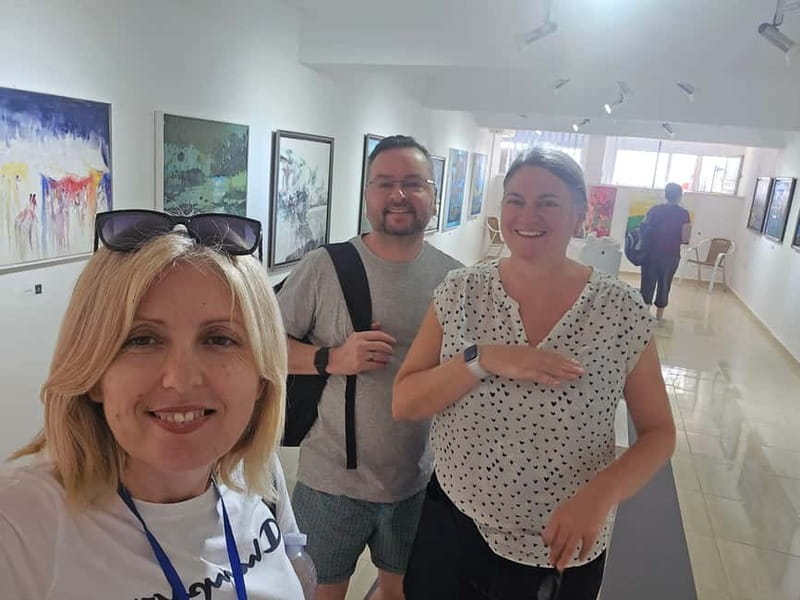
The Museum of Tradition offers a different view of the region. Rather than concentrating on ancient remains, it presents local customs and household traditions through historical objects.
This is where the tour can become more personal. Archaeological pieces tell you about earlier societies, while domestic artifacts suggest how people lived, worked, dressed, and organized daily life. The guide’s stories are important because an old household object can look ordinary until someone explains its use.
The museum is also small. One account described it as a one-room collection of more recent artifacts, while another tour included an art gallery and a detailed explanation of individual works. The exact presentation may vary, so you should expect a local cultural stop rather than a major national museum.
I would give this museum time if you care about customs and social history. If your main interest is scenery, it may feel slower than the promenade. The balance depends on your curiosity, but the stop helps you understand Saranda as a lived-in city rather than only a seaside resort.
Walking the promenade beside the Ionian Sea
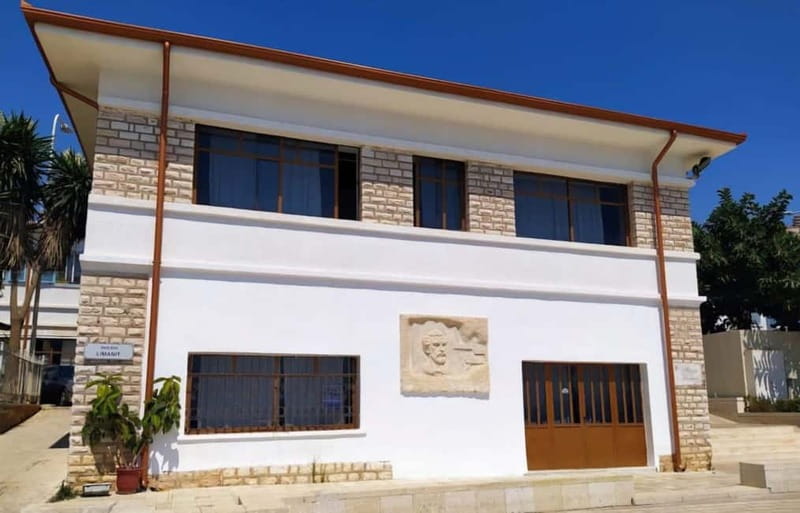
After the indoor visits, the tour moves along the Saranda Promenade. This is the most relaxed part of the route, with views over the Ionian Sea, cafés, shops, and the city’s lively waterfront atmosphere.
The promenade gives you a chance to connect the historical stops with present-day Saranda. You see where people meet, eat, shop, and spend time beside the water. I like ending here because the tour does not leave you inside a museum with the day still feeling unfinished.
The seafront is also practical. You can note cafés for later, get your bearings, and decide which parts of the waterfront you want to revisit. The guide may point out useful places, though food and drinks are not included in the tour price.
This is sightseeing, not a long coastal hike. The walk is designed to show the city and its waterfront rather than cover every part of Saranda. If you want a quiet natural setting, the promenade may feel busy, especially at popular times. If you want an easy introduction to the city’s public face, it does the job well.
The café pause and what you should budget
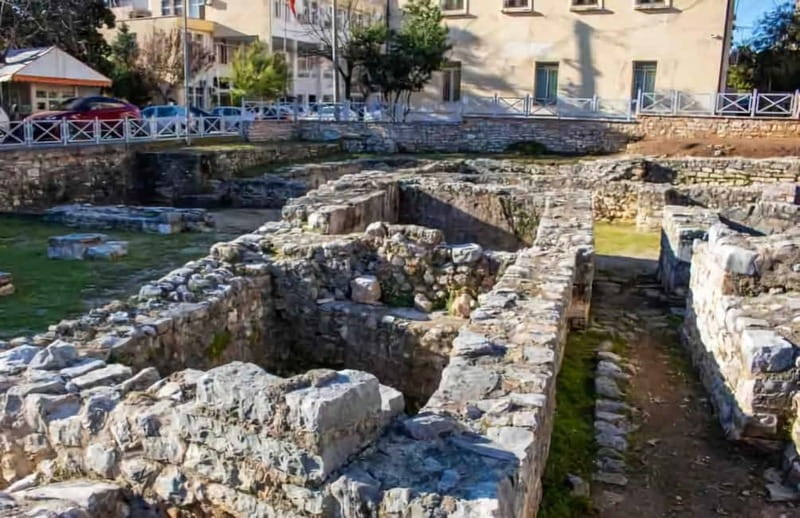
The route includes a local café stop for a break and more sightseeing. Since food and drinks are excluded, budget separately if you want to order something.
A café pause can be more useful than it sounds. It gives you a moment to ask about Albania, local customs, or nearby sights. Mira has received particular praise for offering practical help beyond the scheduled walk, including information about Ksamil and Butrint and assistance with a coach to Himarë.
Do not treat those extras as guaranteed services. They reflect the guide’s reported personal approach, not a listed inclusion. Still, it is worth asking sensible onward-travel questions if you are continuing around the coast.
The pause also keeps the 150-minute schedule from feeling like a race. You get several short historical stops, a museum visit, a waterfront walk, and a chance to slow down before returning to the port.
Guide quality and the personal touch
The guide is central to the tour’s value. The strongest feedback praises Mira’s warmth, historical explanations, and ability to connect politics, religion, and daily life. Several comments describe her as attentive and generous with her time.
One unusual detail is that she has reportedly given small souvenirs and helped with bus fares on a later encounter. Another account says she assisted with a coach connection to Himarë. These gestures are not part of the advertised package, but they suggest the kind of personal care you might receive from an experienced local guide.
The tour is offered in English or Albanian. If English is your preferred language, confirm the language when you reserve. Clear interpretation matters here because the sites themselves are not large, and the stories provide much of the experience.
The overall rating is 4.5 from 15 ratings, with most responses giving five stars and a small number raising concerns about the limited size of some museums. That split is useful. It tells you the guide can make modest sites engaging, but cannot turn them into major attractions.
Who should book this 150-minute experience?
I would recommend the tour to you if:
- You are new to Saranda and want a quick orientation.
- You care about local history, religion, politics, and customs.
- You prefer walking and conversation to a bus tour.
- You have only a short time in the city.
- You plan to visit Butrint or Ksamil and want context first.
- You value a guide who can answer practical questions.
You may want to skip it if your priority is a major archaeological site, a long beach outing, or a food-focused experience. Saranda’s synagogue, bunker, and museums are modest. The tour succeeds through explanation and contrast, not through grand scale.
It is also a poor fit if you have mobility limitations. The activity involves walking between several city stops, and wheelchair users are specifically excluded.
Booking, cancellation, and practical details
The price is $23 per person. Entry to the Archaeological Museum and Museum of Tradition is included, along with the professional guide and historical information. You pay separately for café purchases, food, and drinks.
You can cancel up to 24 hours before the tour for a full refund. A reserve-now, pay-later option is available, which helps if your ferry or coastal plans are still changing.
Bring water, sunscreen, and comfortable clothes. Start at the Port of Saranda and expect to finish back there. Check the available start times before booking, since the tour runs for 150 minutes rather than occupying a fixed part of every day.
Should you book the Saranda walking tour?
Book it if you want Saranda to make sense before you head to the larger sights. At $23, the combination of two museum admissions, a live English or Albanian guide, and a compact route is good value for a first visit.
I would especially choose it early in a stay, when Mira’s local advice could help shape plans for Butrint, Ksamil, or Himarë. Just remember what you are buying: a well-explained introduction to several small sites, not a grand archaeological expedition.
FAQ
How long does the Saranda walking tour last?
The tour lasts 150 minutes, or two and a half hours.
How much does the tour cost?
The price is $23 per person.
Where does the tour start?
The meeting point is the Port of Saranda.
Where does the tour finish?
The tour returns to the Port of Saranda.
What museums are included?
The tour includes the Archaeological Museum and the Museum of Tradition.
Are museum entrance fees included?
Yes. Entrance to both the Archaeological Museum and Museum of Tradition is included.
What languages does the guide speak?
The live guide is available in Albanian and English.
Is food included?
No. Food and drinks are not included, although the route includes a local café stop.
What should I bring?
Bring sunscreen, water, and comfortable clothes.
Is the tour suitable for wheelchair users?
No. The activity is not suitable for wheelchair users or people with mobility impairments.
Newly listed around Sarande
- Saranda: Wine and raki tasting, local products.★ 4.3 · 4 reviews
- Sarandë:Boat Tour to Kroreza with snorkelling & umbrellas★ 4.6 · 19 reviews
- GROUP TOUR 7 STOPS SARANDA TO KROREZ FREE DRINK AND UMBRELLA★ 5.0 · 5 reviews
- Sarande : Private boat tour to Krorëza beach & local tasting★ 5.0 · 2 reviews
- Sarandë Seascape: Coves, Cliffs & Caribbean-Blue-Water Bays★ 5.0 · 6 reviews
- Sarandë Velvet Horizons: A Dreamlike Sunset Cruise★ 5.0 · 7 reviews
- Sarandë: Boat Tour to North side of Sarandë★ 4.2 · 7 reviews
- Saranda Private Boat Tour★ 4.4 · 3 reviews
Walking Tours, compared.
Tirana Center: Magic Walking Tour French/Italian/English Etc
Read our review →
Blue Eye Kayak and walking tour & Lekursi Castle
Read our review →

Browse the lists this tour appears in