
Reviewed · WORKSHOPS
Gjirokaster: Wood Crafting Class
Small souvenirs can carry big memories. This three-hour wood crafting class gives you a hands-on way to connect with Gjirokaster, rather than simply buying another trinket from a shop. I like the chance to work inside Master Nurce’s workshop, and I like that the finished item is shaped by your own sketch and effort. The main consideration is that carving takes patience, so this is not a quick make-and-take activity.
The class begins with local background on Gjirokaster’s architecture and woodwork before you pick up a tool. English-speaking guides Theo and Victor, also referred to as Viktor, help explain the craft and keep beginners on track. You receive a glass of raki or homemade wine, though food is not included and the workshop is reached on foot from Cerciz Topulli Square.
In This Review
- What makes this class worth three hours
- From Cerciz Topulli Square to the workshop
- The opening lesson on Gjirokaster’s woodwork
- Choosing your wooden project
- Learning the tools with Victor’s help
- Raki, wine, and the pace of the work
- What you can take home
- Price and value at $64 per person
- Who will enjoy the class most
- Practical advice before you book
- Should you book the Gjirokaster wood crafting class?
- FAQ
- Where does the wood crafting class meet?
- How long does the class last?
- What can I make during the class?
- Is the class suitable for beginners?
- Is the class offered in English?
- Is a drink included?
- Can I cancel the booking?
What makes this class worth three hours
- Your souvenir is personal: Choose from a small sign, necklace, key hanger, or mirror, then add your own text or drawing.
- The setting is a working master workshop: You walk from Cerciz Topulli Square to Master Nurce’s workshop for the practical part of the class.
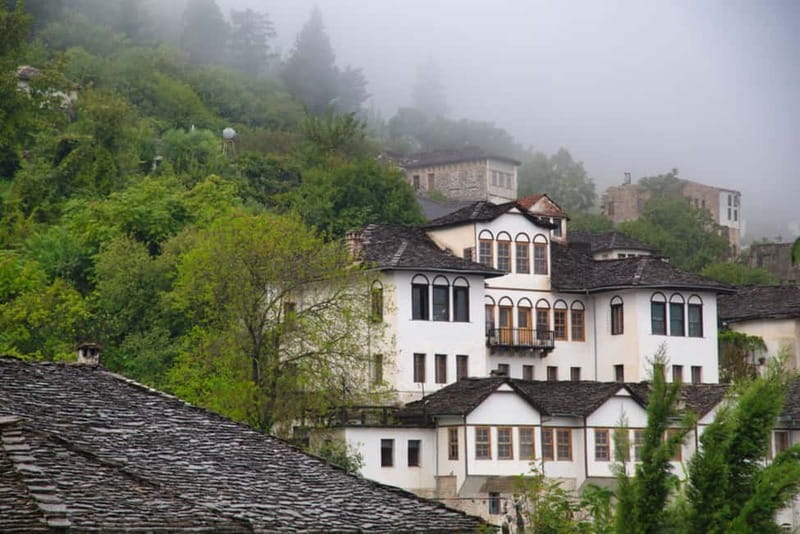
- The introduction adds local context: You learn about Gjirokaster’s architecture, decorative details, and wood crafting tradition before carving.
- Beginners receive close help: Victor guides you through the tools and provides personal attention as your design takes shape.
- A drink is part of the lesson: Raki or homemade wine is offered while you work, with coffee or tea also available according to recent class arrangements.
- The finished object comes home with you: Your creation is a useful reminder of Albania, not a mass-produced souvenir.
From Cerciz Topulli Square to the workshop
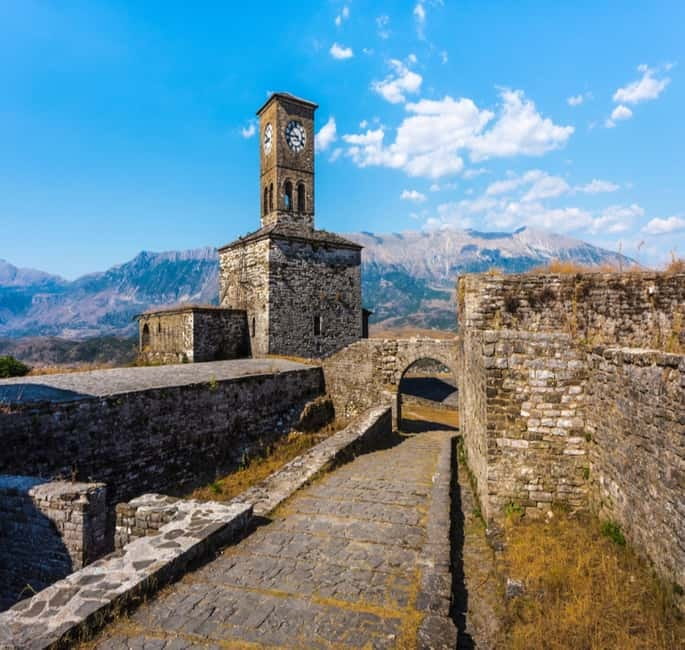
The meeting point is Cerciz Topulli Square, a practical place to begin in the center of Gjirokaster. You meet the English-speaking guide there and take a short walk to the workshop of Master Nurce.
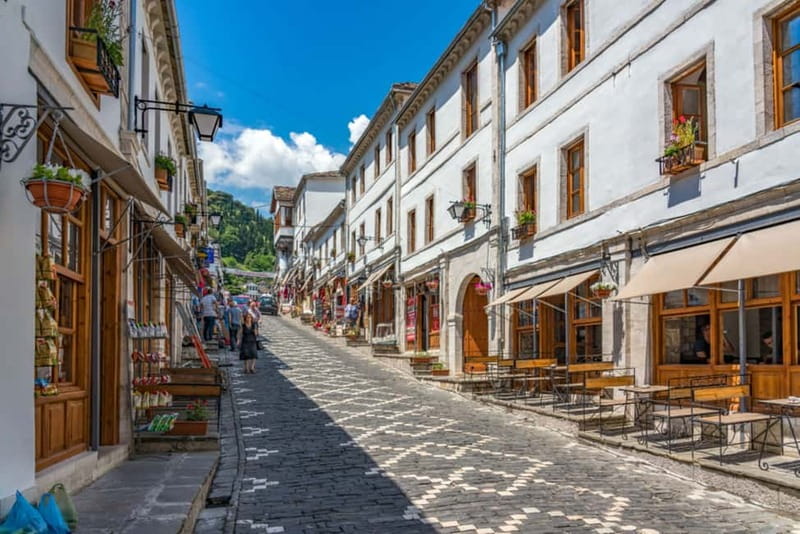
That walk matters because the class is tied to the old town around you. This is not a generic craft session set apart from the city. The introduction connects the workbench with the wooden decoration and architecture you see in Gjirokaster.
Theo has been praised for giving useful information about the city before the carving begins. He also takes photographs and videos during the activity and sends them afterward, which can be a pleasant extra for anyone who wants a record of the class. This is not listed as a formal inclusion, so treat it as something that may come with the guide rather than a guaranteed service.
You should plan to arrive at the square on time and wear clothes you do not mind working in. The supplied information does not describe a dress code or transport service, but the walk to the workshop is short and the activity is based around hand tools, wood, and careful work.
A few more Gjirokaster trips worth comparing
- Saranda: Lekursi Castle, Blue Eye, Gjirokaster, & More Tour
★ 4.9 · 884 reviews - Daily Trip To:Blue Eye,Monastery,Gjirokaster&Lekursi Castle
★ 4.9 · 665 reviews - From Tirana/Durres: Saranda & Ksamil Beach and Gjirokastra
★ 4.9 · 428 reviews
The opening lesson on Gjirokaster’s woodwork
Before you start carving, the class gives you a short introduction to local architecture and wood craftsmanship. This opening is more useful than a quick speech about old traditions because it helps you see the decorative details of Gjirokaster with fresh attention.
You learn about different types of wood used during the class and get some background on the craft’s place in the city. One participant found the history lesson interesting enough to want to return when more restoration work is complete. That tells you something important about the first part of the class: it reaches beyond the object you make and points to the care required to preserve older buildings and craft skills.
The introduction is also a good pause before the hands-on work. You are not pushed straight toward a tool without context. Depending on the arrangements that day, you might be offered coffee or tea during this part, as well as the listed glass of raki or wine during the workshop.
The lesson is not described as a full architectural tour, so keep your expectations in check. You will get useful background on Gjirokaster and its woodwork, but the main purpose is to create something yourself.
Choosing your wooden project
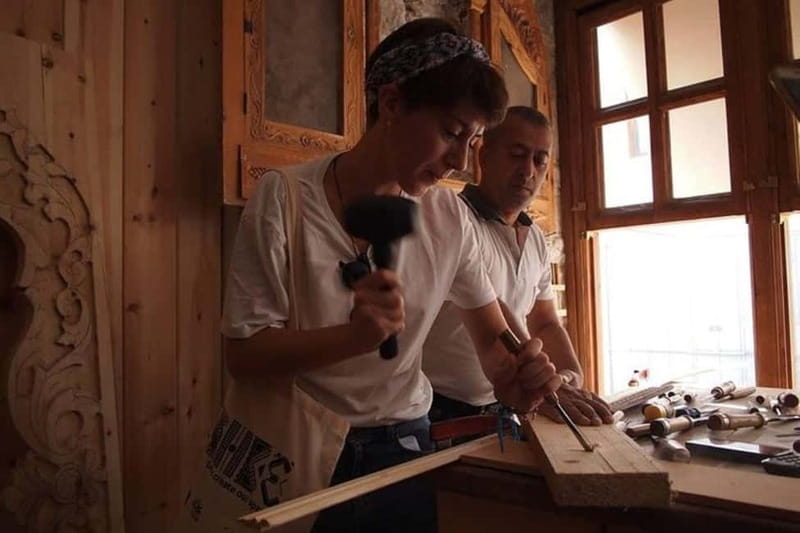
Once the introduction is finished, you choose what to make. The available options are small wooden signs with text or drawings, small necklaces, key hangers, and small mirrors.
This choice gives the class a nice balance. You can pick something decorative, such as a sign or mirror, or choose a small object that you can use regularly. A necklace or key hanger is easier to pack than a larger craft, while a sign gives you more room for a word, name, or simple design.
You then sketch your idea before carving. This is an important step for beginners because it turns a vague plan into a manageable shape. You do not need to arrive with a finished design. The instructor helps with ideas and offers guidance on what will work well in wood.
I would keep your design simple. A short word, basic symbol, or clean drawing is more likely to produce a pleasing result within three hours. Intricate lettering and detailed pictures can take longer than expected, especially if you have never carved wood before.
The class is personal rather than purely demonstrative. You are not just watching a master make an object while you stand nearby. Your own sketch becomes the starting point, and the instructor helps you adapt it to the material and tools.
Learning the tools with Victor’s help
The practical lesson begins once you have chosen your project and sketched the design. Victor, also called Viktor in the class information, helps you understand how to use the tools and guides you as you work.
This is where the class earns its appeal for first-time carvers. You do not need previous woodwork skills. Several people have praised the instructor’s patience and personal attention, including with participants who felt they were not very good at carving.
That support matters because wood can look simple until you try to cut it. Pressure, direction, and patience all affect the result. The instructor can show you how to approach the material instead of leaving you to guess.
You should still expect to do the work yourself. Expert guidance does not mean the master creates the whole item for you. The charm of the finished souvenir comes from its small irregularities and from knowing that your hands shaped it.
If you are nervous about making a mistake, tell the instructor what you have in mind at the start. Victor’s role is to help you make a design that suits your skill and the time available. The class is described as accessible to beginners, but it is still a craft lesson, not a fast workshop where everything is finished in minutes.
Somewhere else in Albania, a completely different day:
- Sarandë: Tour Gjirokaster,Blue Eye & Lekursi Castle
★ 4.7 · 220 reviews - Rafting Vjosa River Gjirokastër Albania ARG
★ 5.0 · 199 reviews - Gjirokastra- The Stone City & Blue Eye- The monument of Nature.
★ 4.5 · 180 reviews - Day tour from Saranda/Ksamil:Gjirokaster +Blue Eye & Lekursi
★ 4.8 · 150 reviews
Raki, wine, and the pace of the work
A glass of raki or homemade wine is included while you create your piece. It fits the informal feel of a traditional workshop and gives you a chance to slow down as you work.
The drink is a pleasant extra, but it should not be the reason you book. The main value comes from the instruction, the local context, and the object you make. If you do not drink alcohol, the class has also offered coffee or tea during the introduction, though the formal inclusion specifically names raki or wine.
The pace is relaxed, but three hours can pass quickly once you begin carving. You have to sketch, learn the tools, shape the wood, and finish the design. Patience is part of the lesson. A rushed carving will not look as good as one made with steady guidance.
This is also why the activity suits people who enjoy making things with their hands. If you prefer a rapid sightseeing stop with a clear finish time, the class may feel slow. If you like sitting down and working on one small object, the pace becomes part of the pleasure.
Food is not included. The supplied details do not describe a meal or snack, so eat beforehand if you need more than a drink during the three-hour session.
What you can take home
The finished piece is the strongest reason to choose this activity. You leave with a wooden sign, necklace, key hanger, mirror, or another small item based on the options available in the workshop.
A shop-bought souvenir can remind you that you visited Albania. A piece you sketched and carved can remind you of how you spent an afternoon in Gjirokaster. It may not be perfect, and that is fine. The uneven parts are evidence that it is yours.
The object should also be easy to carry compared with a larger traditional craft. The activity is designed around small items, which makes it practical if you are continuing through Albania with limited luggage space.
You may want to think about the recipient before class. A simple sign with a name or short word could make a thoughtful gift. A key hanger or necklace may be useful for someone at home. The class allows text or drawings, so you can make the souvenir personal without needing an elaborate artistic plan.
Price and value at $64 per person
At $64 per person, this is not the cheapest way to spend three hours in Gjirokaster. You are paying for more than materials, though. The price covers the instructor, equipment, wood crafting, and a glass of raki or wine.
The value is strongest if you care about local skills and want an activity that gives you something to keep. The background lesson, guidance from the master instructor, and personal help make it different from purchasing a wooden item in a market.
The price is less attractive if your main goal is simply to see the old town or bring home an inexpensive object. You could spend less on a ready-made souvenir, and the class requires a full three-hour commitment. It makes most sense as a planned part of your Gjirokaster stay, not as an activity to squeeze between several major sights.
The high overall rating, with 16 reviews and a five-star score, matches the strongest features of the class: friendly instruction, beginner support, and the pleasure of leaving with something you made. One recent rating gave four stars rather than five, but still described the activity as a fun personal course with a good souvenir. That is a fair way to view it. The class has clear value, but its success depends on your interest in the process.
Who will enjoy the class most
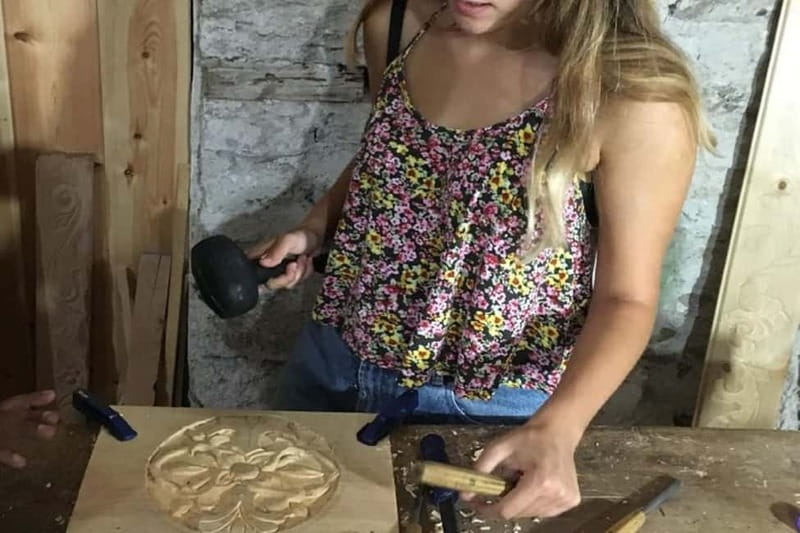
I would recommend this class to couples, families with older children, solo visitors, and small groups who want a break from standard sightseeing. It gives you a shared task, and the final objects can make the afternoon feel more personal than another guided walk.
It is especially good for:
- People who enjoy crafts and hands-on activities
- Beginners who want patient instruction
- Visitors interested in Gjirokaster’s buildings and traditional skills
- Anyone looking for a compact, personal souvenir
- Couples or friends who want to compare their finished designs
- Visitors who enjoy a relaxed drink while working
You should think twice if you dislike using hand tools, have no interest in making an object, or want a structured tour with constant movement. The introduction is useful, but the heart of the experience is sitting down and carving.
The class is conducted in English. The listed duration is three hours, and starting times vary, so you need to check availability for the day you want. You can cancel up to 24 hours before the activity for a full refund, and the reserve-now, pay-later option lets you hold a place without paying immediately.
Practical advice before you book
Meet at Cerciz Topulli Square and allow enough time to find the meeting point. From there, the group takes a short walk to the workshop.
Choose a simple idea before you arrive, but do not become attached to a complicated design. A word, initial, small symbol, or basic drawing is likely to work better than a detailed picture.
Ask for help early. Victor’s guidance is one of the best parts of the class, and the instructor can help you choose a suitable shape and use the tools safely. Waiting until the end to ask for advice makes the work harder than it needs to be.
If you want photographs, ask Theo about them during the activity. He has taken and shared photos and videos with participants, but this should be treated as a friendly extra rather than a guaranteed part of the booking.
Finally, remember that the class is about the act of making as much as the final object. Give yourself permission to produce something a little wonky. A handmade souvenir should look handmade.
Should you book the Gjirokaster wood crafting class?
Book it if you want to spend three slower hours learning a local craft, receiving close help, and leaving with a souvenir made by your own hands. The English instruction, beginner-friendly approach, local history, and included drink create good value for visitors who enjoy active cultural experiences.
Skip it if you want a quick attraction, a full meal, or a polished professional object made for you. This class asks for patience and participation. For the right person, that is exactly the point: you do not just buy a memory of Gjirokaster, you carve one.
FAQ
Where does the wood crafting class meet?
You meet your guide at Cerciz Topulli Square in Gjirokaster. From there, you take a short walk to Master Nurce’s workshop.
How long does the class last?
The class lasts three hours. Starting times vary, so you should check availability for your preferred date.
What can I make during the class?
You can learn to make a small wooden sign with text or a drawing, a small necklace, a key hanger, or a small mirror.
Is the class suitable for beginners?
Yes. The instructor provides help and guidance, and the activity includes instruction on using the tools. The class is described as accessible to beginners.
Is the class offered in English?
Yes. The live guide language is English.
Is a drink included?
Yes. A glass of raki or wine is included. Coffee or tea may also be offered during the introduction, but food is not included.
Can I cancel the booking?
You can cancel up to 24 hours in advance for a full refund. The reserve-now, pay-later option lets you book without paying immediately.
Newly listed around Gjirokaster
- Vlora, Llogara & Dhërmi: Albanian Riviera from Durres/Golem★ 4.9 · 7 reviews
- From Vlora: Albanian Riviera, Blue Eye & Gjirokaster Day Trip★ 4.0 · 6 reviews
- Full Day South Albania Expedition Blue Eye & Gjirokaster★ 4.0 · 4 reviews
- Day Tour of Gjirokastra & Blue Eye from Tirana or Durres★ 5.0 · 10 reviews
- Gjirokastra, Full Day Trip from Tirana★ 5.0 · 2 reviews
- Full Day trip to Stone City of Gjirokastra & Blue Eye★ 5.0 · 2 reviews
- Private Day Tour of Gjirokastra from Tirana★ 5.0 · 10 reviews
- Private Tour from Tirana, Gjirokastër , Saranda and South Riviera★ 5.0 · 10 reviews
Workshops, compared.
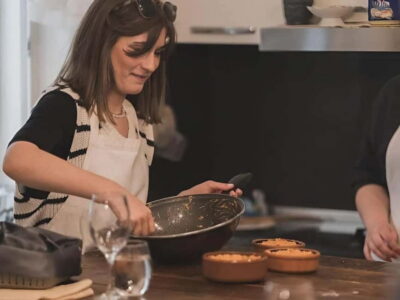
Traditional Cooking Class with Wine & Raki Tasting
Read our review →
Cooking Classes and Traditional food tasting in Tirana
Read our review →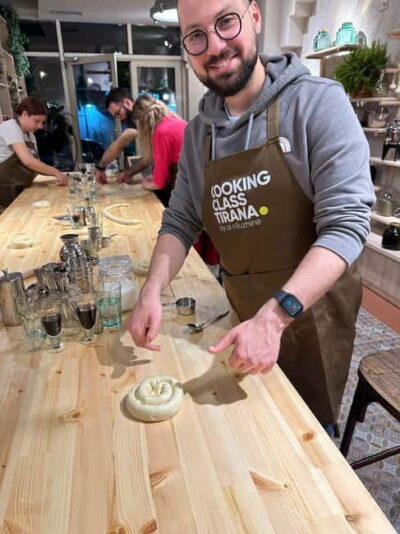
Traditional Albanian Cooking Class in Tirana & Raki Tasting
Read our review →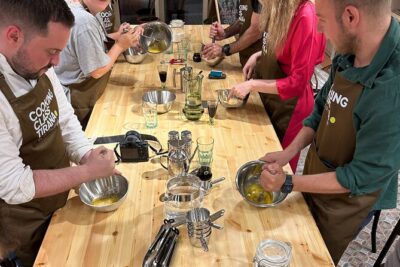
Traditional Albanian Cooking Class in Tirana with Raki Tasting
Read our review →
Berat Cooking Class- Traditional Albanian Cooking Class /By Vato
Read our review →
Savor Albanian Cuisine Cooking Class with Mama Nina Berat Castle
Read our review →
Tirana Cooking Class – Traditional Albanian Recipes
Read our review →Browse the lists this tour appears in