
Reviewed · TRADITIONAL ALBANIAN COOKING
Traditional Albanian and Mediterranean Dinner
Come hungry, leave with a better map of Albania. This chef-led dinner in Tirana is interesting because it treats food as a history lesson, moving from traditional breads and pies to regional meat dishes and dessert. I especially like the chance to learn directly from Master Chef Sokol Prenga, who brings more than 25 years of kitchen experience, and the focus on local, organic produce.
I also like the menu’s range. You do not get one token Albanian dish and a plate of familiar sides. You get several breads, different types of byrek, a yogurt-and-lamb casserole, veal ribs with plum syrup, a lamb stew from Përmet, and Albanian flan. The main drawback is that the evening can be a lot for a light eater, and the advertised hours and approximate duration do not line up perfectly, so I would confirm the timing before booking.
In This Review
- Key points about the Taste Table dinner
- Starting with Albanian breads at Delikatesë Pastiçeri
- Pite and byrek: Albania’s filled pastry course
- Tavë Kosi brings lamb and yogurt together
- Veal ribs with plum syrup
- Përmet’s white lamb stew
- Qumeshtor closes the meal with Albanian flan
- How Sokol Prenga shapes the evening
- Ancient Greek, Roman, Byzantine, and Ottoman influences
- Price, group size, and timing in Tirana
- Who should book this Albanian dinner?
- Practical details before you reserve
- Should you book the Taste Table dinner?
- FAQ
- Where does the dinner begin?
- Where does the experience end?
- How long does the dinner last?
- What days and times is it offered?
- What language is offered?
- How many people can join?
- Can I cancel for a refund?
Key points about the Taste Table dinner
- Five kinds of traditional bread begin the meal: You may sample Bukë Kallamoqe, Bukë Misri, Kulaç, Pogaçe, and Kamkuçe, made with organic corn and wheat flour.
- The menu covers several Albanian regions: The lamb stew comes from Përmet, while Tavë Kosi gives you one of the country’s best-known baked dishes.
- Chef Sokol Prenga leads the explanation: His 25 years of cooking experience add useful context to the recipes, techniques, and outside influences found in Albanian food.
- The meal follows Albania’s cultural crossroads: The dinner explains food shaped by contact with Ancient Greek, Roman, Byzantine, and Ottoman cultures.
- Dinner is served at a small central Tirana meeting point: The group is limited to 22 people, and the experience returns to its starting location.
- The $60.21 price covers a full meal: Appetizers, main courses, dessert, drinks, explanations, and good spirits are included.
Starting with Albanian breads at Delikatesë Pastiçeri
The evening begins at Delikatesë Pastiçeri on Rruga Myslym Shyri 97. That gives you a clear, fixed meeting place rather than a vague instruction to wait somewhere in central Tirana. The area is near public transportation, which helps if you are coming from another part of the city.
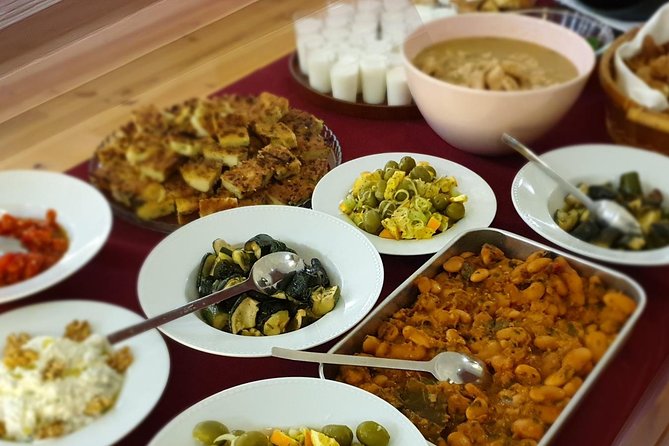
Bread is the right opening for this dinner. It is basic food, but it often tells you more about a household and a region than a glossy restaurant dish does. Here, the opening selection includes Bukë Kallamoqe, Bukë Misri, Kulaç, Pogaçe, and Kamkuçe. The first two use corn flour, while the others add more variety to the Albanian bread tradition.
I like this part of the menu because it slows you down. You are not simply waiting for the main course. You are tasting the foundation of the meal and hearing how traditional agricultural products remain important in Albanian cooking.
The breads are described as organic and made with local corn and wheat flour. That does not mean each one will suit every palate. Some diners may find a long series of breads less exciting than a quick arrival of hot meat, but anyone interested in everyday food will get more from this opening.
The concept is called Taste Table, and that name fits the format. It is designed as a guided progression, with explanations built into dinner rather than added as a separate lecture. You can ask questions as the meal moves along, which is useful if you want to understand an unfamiliar ingredient or regional name.
More Albanian Cooking in Tirana
- Tirana: Traditional Cooking Class with Wine & Raki Tasting
★ 5.0 · 284 reviews - Traditional Albanian Cooking Class in Tirana & Raki Tasting
★ 5.0 · 266 reviews - Traditional Albanian Cooking Class in Tirana with Raki Tasting
★ 5.0 · 125 reviews
Pite and byrek: Albania’s filled pastry course
Next comes pite, also called byrek, made from thinly stretched filo dough. The fillings listed for the meal include spinach, minced meat, leek, and feta cheese. Other varieties can include pumpkin, apple, and potato.
This course gives you a practical lesson in how flexible Albanian food can be. The same basic pastry form can move from savory to sweet, and from vegetables to meat. It also shows why Albanian cooking is difficult to label with one influence. The country’s food reflects contact with nearby Mediterranean cultures, as well as the Ancient Greek, Roman, Byzantine, and Ottoman worlds.
I would pay attention to the dough here. Thin pastry requires a different feel from the heavier corn and wheat breads served earlier. The filling matters, but the pastry is where you can notice the work involved.
Because the menu includes several versions of traditional food, you may not know exactly which filling arrives on your table. That is part of the appeal, but it also means the experience is not best for someone who needs a highly predictable meal. If you have food allergies or strict dietary limits, ask questions when booking or before the dinner begins.
Tavë Kosi brings lamb and yogurt together
The first main dish is Tavë Kosi, a baked casserole made with yogurt and lamb. It is one of the most useful dishes for understanding Albanian cooking because it combines simple local products in a form that feels both hearty and distinct.
The yogurt gives the casserole a tangy quality, while lamb brings a fuller flavor. Baking ties the two together into a substantial course. If you usually associate yogurt with breakfast or cold sauces, this preparation may be the evening’s first real surprise.
This is also where the dinner moves from tasting small traditional items to a proper multi-course meal. You get a sense of how Albanian cooks use dairy, meat, and baking in a single dish rather than treating each ingredient separately.
I like the fact that Tavë Kosi is served as part of a wider menu instead of being presented alone. One dish can never explain a national cuisine. Here, it sits beside breads, filled pastry, another lamb dish, veal, and dessert, giving you useful comparisons.
Veal ribs with plum syrup
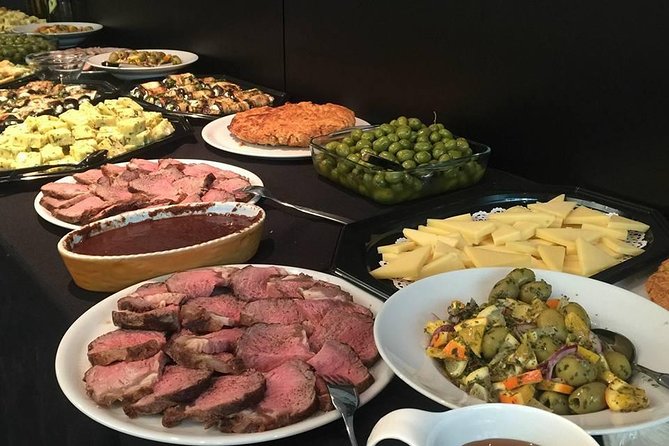
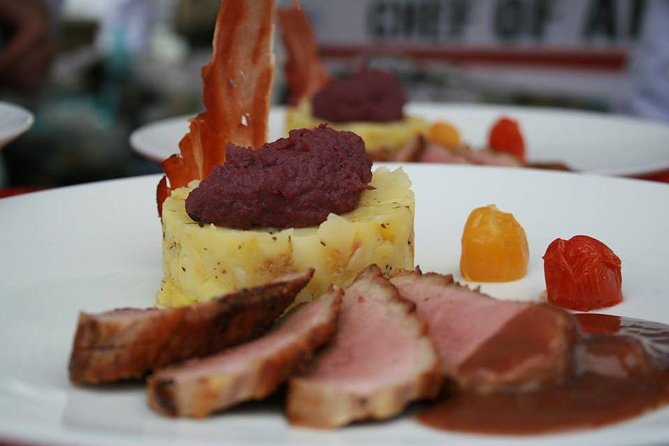
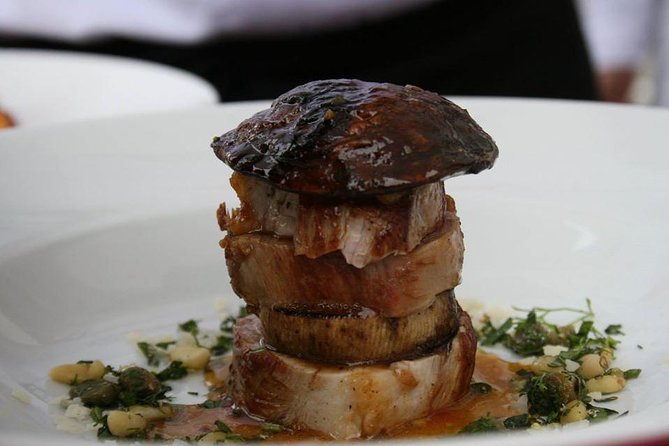
The next main dish is Mish me Pistil, veal ribs served with plum syrup. This is a more unusual combination for many people, especially if you expect meat dishes to lean only toward salt, herbs, or garlic.
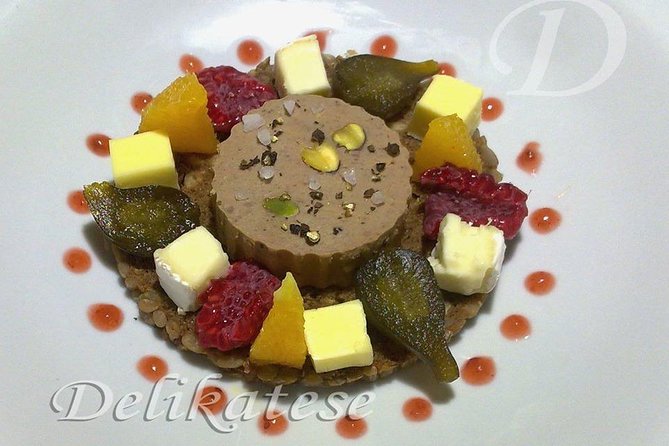
Plum syrup adds a sweet and fruity note to the ribs. It shows how Albanian food can balance savory meat with preserved or fruit-based flavors. The dish also adds another texture and flavor direction after the softer Tavë Kosi.
You should keep the portion size in mind. This is not a light tasting menu built around tiny bites. With several breads, pies, two lamb preparations, veal ribs, dessert, drinks, and spirits, the full dinner is likely to feel generous. That is good value for a hungry diner, but it may be too much if you prefer a small evening meal.
Somewhere else in Albania, a completely different day:
- From Tirana: Bovilla Lake & Gamti Mountain Hiking Day Trip
★ 4.9 · 4,397 reviews - From Tirana: Bovilla Lake & Gamti Mountain Hiking Tour
★ 4.9 · 3,003 reviews - From Tirana: Bovilla Lake & Gamti Mountain Viewpoint Hike
★ 4.8 · 2,053 reviews - Tirana/Durres/Golem: Saranda, Ksamil, Blue Eye Day Trip
★ 4.8 · 1,584 reviews
Përmet’s white lamb stew
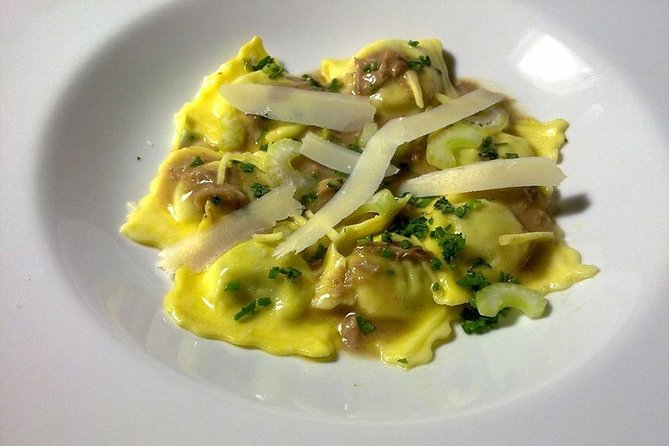
Shqeto e Përmetit is an egg-based lamb stew from the Përmet region. The listed flavors include lemon, pepper, and parsley, giving this dish a brighter profile than you might expect from a stew.
The regional connection matters. Përmet is not just a name on the menu. It tells you that Albanian cooking changes from place to place, with local traditions shaping the way familiar ingredients are used.
The egg-based preparation also gives you another contrast with Tavë Kosi. Both dishes involve lamb and a soft, rich element, but their flavor profiles differ. Tavë Kosi leans toward baked yogurt, while Shqeto e Përmetit brings lemon, pepper, and parsley into the picture.
This is one course where the chef’s explanation can add real value. Without context, you might simply call it another lamb dish. With an explanation of its regional roots and preparation, you can understand why it belongs in a dinner about Albanian culinary tradition.
Qumeshtor closes the meal with Albanian flan
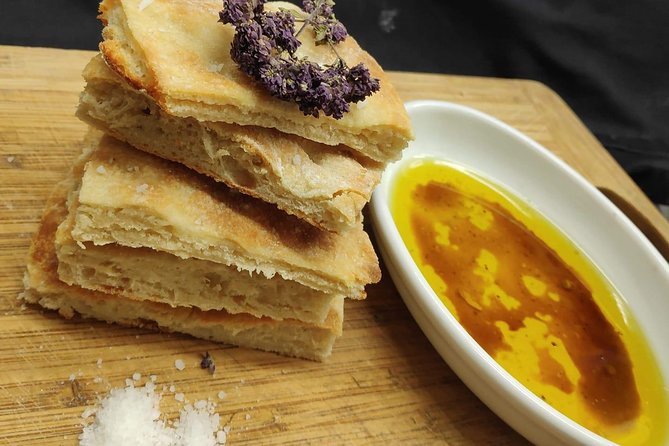
Dessert is Qumeshtor, described as a rustic Albanian flan. It is a straightforward finish after a large meal, and the milk-based character should make it familiar enough for diners who are less adventurous with sweets.
The word rustic is useful here. This is not presented as a highly decorated pastry or a modern restaurant invention. It belongs to the same food story as the breads and pies: practical ingredients, traditional methods, and a close link to home cooking.
Dessert also gives the meal a calm ending. After a menu filled with different breads, pastries, lamb, veal, herbs, and fruit syrup, a simple flan keeps the final course from becoming another demanding dish.
Drinks and good spirits are included with dinner. Since the available information does not specify each drink, you should ask what is being served if that matters to you. The inclusion still improves the value of the fixed price, especially when paired with a full meal and guided food explanations.
How Sokol Prenga shapes the evening
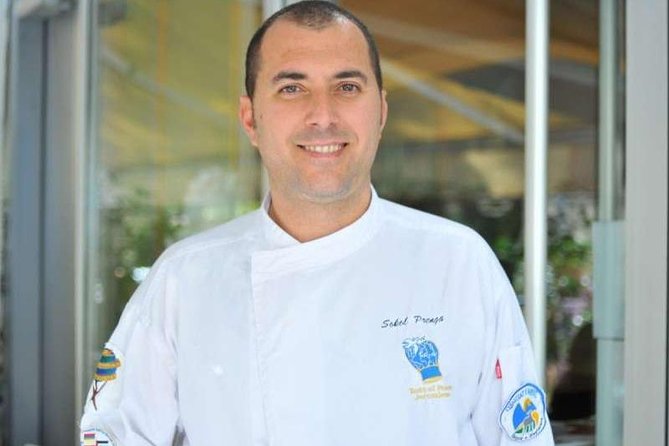
The most important part of this experience is not only what arrives on the plate. It is who explains it. Sokol Prenga has more than 25 years of experience as a chef, and the dinner is built around his account of Albanian food from its early roots to its current form.
The strongest praise connected with this experience focuses on his hospitality, humor, patience, and willingness to share cooking secrets and stories. That suggests a warm teaching style rather than a stiff demonstration. You should expect questions to be welcome, since explaining the dishes is a stated part of the evening.
The personal element can make a major difference. A list of food names may leave you remembering only lamb and pastry. A chef who explains why a dish exists, how it is prepared, and which region it represents can help you recognize those foods later in Albania.
This is especially useful if you are new to Albanian cuisine. You do not need prior knowledge to enjoy the meal, and you are not expected to understand every regional name. The format is designed to guide you through it one course at a time.
Ancient Greek, Roman, Byzantine, and Ottoman influences
Albania sits at a meeting point between the Balkans and the Mediterranean. The dinner uses that position to explain how trade and contact with Ancient Greek, Roman, Byzantine, and Ottoman societies affected local dishes.
That context is valuable because Albanian food does not fit neatly into a single category. You may notice familiar Mediterranean ingredients, Balkan-style pastries, Ottoman-era cooking methods, and local agricultural traditions in the same meal.
The experience does not promise a museum-style history talk. Instead, the cultural background is attached to food you are eating. That is the better approach for most people. You learn through bread, pastry, lamb, dairy, herbs, fruit syrup, and flan rather than through a long list of dates.
I would approach the dinner with curiosity rather than expecting a modern tasting menu. The point is not rare ingredients or elaborate decoration. The point is to understand how ordinary foods carry stories about place, contact, and family cooking.
Price, group size, and timing in Tirana
The cost is $60.21 per person. For that price, you receive a multi-course dinner with appetizers, several main dishes, dessert, drinks, spirits, chef-led explanations, and cultural background. I consider that a fair price if you value a complete meal and an organized introduction to Albanian cuisine.
The value is less clear if you are mainly looking for a cheap dinner. You can certainly spend less on food in Tirana, and this experience charges for the teaching, the range of dishes, and the hosted format. It makes the most sense for someone who wants an evening centered on food rather than simply a restaurant table.
The maximum group size is 22 people. That is large enough for a social evening but small enough to keep the setting from feeling like a coach tour. The actual atmosphere will depend on the final number booked, but the limit gives you a reasonable idea of the scale.
The listed operating days are Monday through Friday, from 7:30 PM to 10:00 PM. The experience is also described as lasting about four hours and 30 minutes, which does not match those stated hours. I would confirm the exact start and end time before you plan another evening activity.
The meeting point is also the end point, so you do not need to arrange a separate return transfer. The activity is offered in English, and confirmation is provided at booking.
Who should book this Albanian dinner?
I would recommend it most strongly to you if:
- You want a structured introduction to Albanian food.
- You enjoy learning from a chef while eating.
- You prefer regional and traditional dishes to standard international menus.
- You have a large appetite and enjoy multi-course dinners.
- You want an evening activity in Tirana that includes culture, not only food.
- You are comfortable trying dishes whose names and preparations may be new to you.
It may be less suitable if you want a short meal, dislike lamb or dairy-based dishes, or need a tightly controlled menu. Lamb appears in both Tavë Kosi and Shqeto e Përmetit, while yogurt, eggs, cheese, wheat, and other common ingredients appear across the menu.
The meal is also not a cooking class in the usual hands-on sense based on the information provided. It is a chef-led dinner with explanations about the dishes. If you want to prepare each course yourself, confirm the format before booking.
Practical details before you reserve
The activity is offered in English and is near public transportation. It begins and ends at Delikatesë Pastiçeri, Rruga Myslym Shyri 97, Tirana.
Most people can participate, and the group is capped at 22. The experience requires a minimum number of people, so a cancellation for that reason may lead to another date or a full refund.
Free cancellation is available if you cancel at least 24 hours before the start time. Cancellations made less than 24 hours before the start time are not refunded, and changes inside that window are not accepted. All cut-off times use local time in Albania.
Should you book the Taste Table dinner?
Book it if you want to understand Albania through its food, not just sample one famous dish. The combination of Sokol Prenga’s long kitchen experience, the broad menu, regional recipes, and explanations about foreign influences gives you a useful first look at the country’s cooking.
I would be especially keen to book this early in a Tirana stay. The meal can help you recognize dishes elsewhere in Albania, and it gives you a better sense of what is local rather than simply Mediterranean in a general way.
Skip it if you want a quick, inexpensive dinner or if a large, meat-heavy menu does not appeal to you. Also confirm the timing, since the four-and-a-half-hour duration and the listed 7:30 PM to 10:00 PM hours do not agree. For everyone else, this is a warm, food-focused evening with enough variety to make the price worthwhile.
FAQ
Where does the dinner begin?
The dinner begins at Delikatesë Pastiçeri, located at Rruga Myslym Shyri 97 in Tirana, Albania.
Where does the experience end?
The activity ends back at the meeting point.
How long does the dinner last?
The experience is listed as lasting approximately four hours and 30 minutes.
What days and times is it offered?
It is listed as available Monday through Friday, from 7:30 PM to 10:00 PM.
What language is offered?
The experience is offered in English.
How many people can join?
The maximum group size is 22 people.
Can I cancel for a refund?
Yes. You can receive a full refund if you cancel at least 24 hours before the experience start time. Cancellations made less than 24 hours before the start time are not refunded.
More Dining Experiences in Tirana
- Albanian Night Show: Traditional Music, Dance & Dinner in Tirana
★ 5.0 · 431 reviews - Local food experience & walking tour of Tirana
★ 5.0 · 192 reviews - Tirana: Local food experience & walking tour
★ 5.0 · 154 reviews - Cooking Class & Traditional Albanian Dinner
★ 5.0 · 15 reviews
Newly listed around Tirana
- Wonderful Sunset and Dinner in the Castel Of Petrela★ 4.6 · 4 reviews
- Zipline Tirana Adventure & Petrela Castle – With Transport★ 4.4 · 10 reviews
- Wine Tasting & Vineyards Escape near Tirana★ 4.9 · 8 reviews
- Walking Tour in Tirana, Albania★ 3.7 · 28 reviews
- Vlora, Dhermi & Llogara Day Trip from Durrës or Golem★ 5.0 · 5 reviews
- Day Tour to Petrela Castle and Zip Line Albania Adventure★ 5.0 · 10 reviews
- From Tirana: Mount Dajti Adventure, Local Vibes & Cable Car opt★ 4.5 · 6 reviews
- Winetasting tour in Alpeta winery – Roshnik village by 1001 Albanian Adventures★ 5.0 · 26 reviews
Traditional Albanian Cooking, compared.
Traditional Cooking Class with Wine & Raki Tasting
Read our review →
Traditional Albanian Cooking Class in Tirana & Raki Tasting
Read our review →
Traditional Albanian Cooking Class in Tirana with Raki Tasting
Read our review →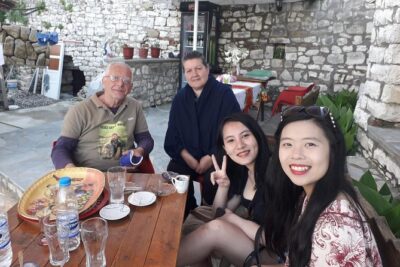
Berat Cooking Class- Traditional Albanian Cooking Class /By Vato
Read our review →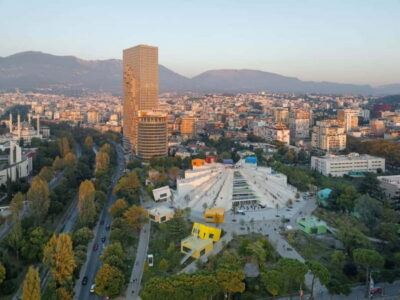
Tirana Stroll Tour, Walk and Taste Qofte & Raki!
Read our review →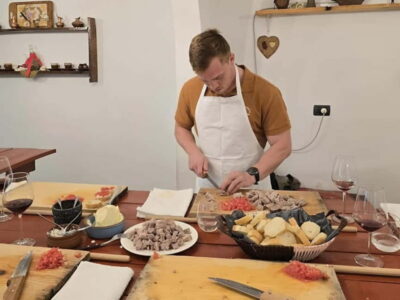
Tirana Cooking Class – Traditional Albanian Recipes
Read our review →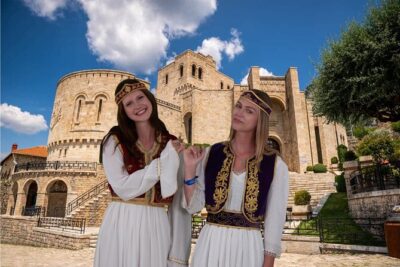
Tirana Photo Shoot in Traditional Albanian Costumes
Read our review →
Experience Blue Eye , Lekuresi Castle and Taste Traditional Albanian Wine
Read our review →Browse the lists this tour appears in