
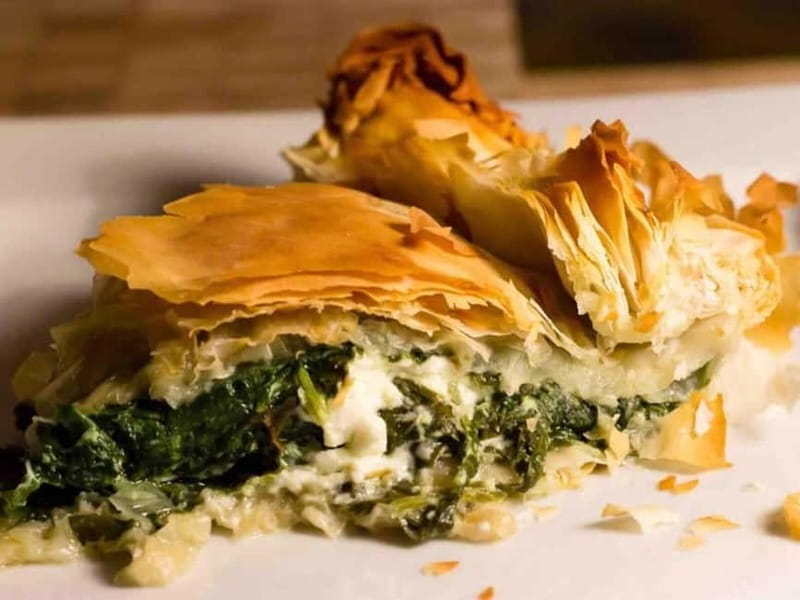
Reviewed · TRADITIONAL ALBANIAN COOKING
Raki Tasting and Meze Pairing With Expert in Tirana
Sip Albania’s national spirit. This 150-minute experience offers a friendly introduction to Tirana through seven handpicked rakis, traditional snacks, and stories about Albanian customs. I like the small-group setting and the chance to taste styles ranging from smooth and aged to sweet, fragrant, and strong. I also like that a companion meets you at Skanderbeg Square and walks with you to the tasting spot.
The main consideration is the food. One review describes the meze as only a handful of olives, feta, and cucumbers, rather than the fuller spread suggested by the tour title and photographs. At $53 per person, the seven pours and expert guidance may justify the cost, but you should book this for the raki and cultural talk first, and treat the snacks as a supporting feature.
In This Review
- Key points before you book
- Starting behind the National House of Opera
- Entering the intimate tasting room
- Seven rakis from a collection of 138
- Pairing simple Albanian meze with the pours
- The cultural story behind Albania’s favorite spirit
- How the 150 minutes are divided
- Is $53 good value?
- Who will enjoy this most?
- What to bring and how to plan the evening
- My final take on the Tirana raki experience
- FAQ
- Where does the raki tasting begin?
- How long does the experience last?
- How many rakis will I taste?
- Is meze included?
- Which languages are available?
- What should I bring?
- Can I cancel or pay later?
Key points before you book
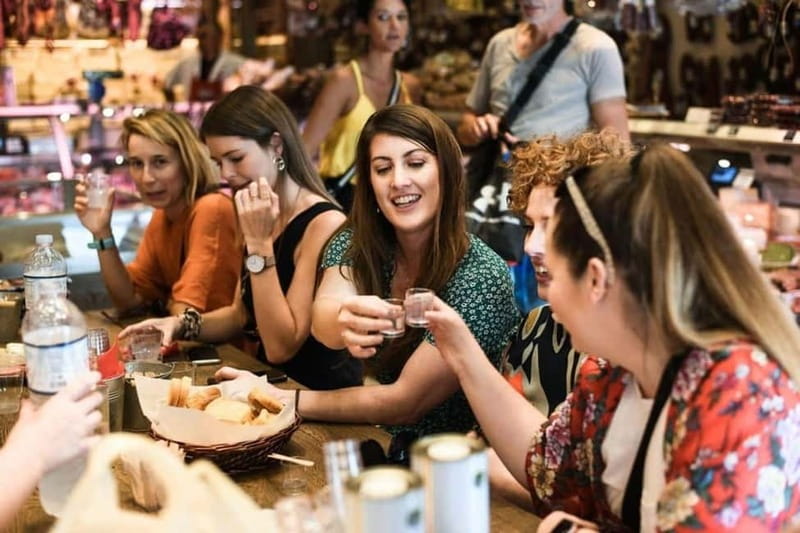
- Seven different rakis: You taste seven selections from a collection of 138 varieties, with differences in sweetness, strength, fragrance, and age.
- A local meeting point: The experience begins behind the National House of Opera at Skanderbeg Square, one of the easiest places to find in central Tirana.
- A short walk each way: Your companion leads you about 15 minutes to the tasting venue and back again, so comfortable shoes are useful.
- A small-group format: The setup is intended to feel personal rather than like a large bar crawl.
- A guide who adds context: Guides such as Vjola and Maria have been praised for clear English, warmth, and stories about Albania.
- Meze expectations matter: The snacks may be simple, with olives, feta, and cucumbers, so do not book this expecting a full dinner.
Starting behind the National House of Opera
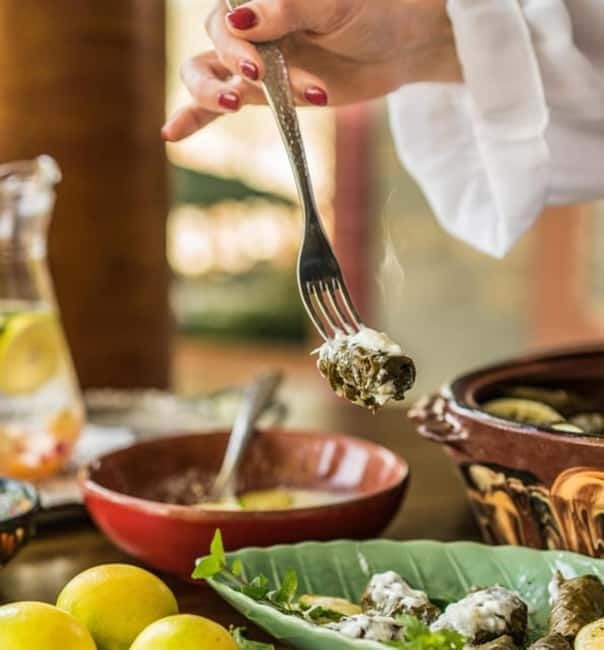
Your meeting point is at Skanderbeg Square, behind the National House of Opera. This is a practical choice for a first-night activity because the square is central and easy to reach from many parts of Tirana.
Your companion sends a live location to your phone, which helps if you are standing on the wrong side of the opera building or arriving after dark. You then walk for about 15 minutes to the tasting venue. That walk is part of the rhythm of the outing, but it is not a sightseeing tour in itself. I would allow a few extra minutes to find the meeting point without rushing.
The companion is more than a person who points the way. The role includes helping you settle in and translating when needed. The available languages are English, German, Italian, and Spanish. Past service has included guides named Vjola and Maria, both praised for their friendly manner and strong English.
This first section also gives you a chance to ask general questions about Tirana. The experience includes trip tips, so it can be useful early in your stay. You might get suggestions for local customs, food, or places to visit, although the exact conversation depends on your guide and group.
More Albanian Cooking in Tirana
- Tirana: Traditional Cooking Class with Wine & Raki Tasting
★ 5.0 · 284 reviews - Traditional Albanian Cooking Class in Tirana & Raki Tasting
★ 5.0 · 266 reviews - Traditional Albanian Cooking Class in Tirana with Raki Tasting
★ 5.0 · 125 reviews
Entering the intimate tasting room
The tasting takes place in a cozy Tirana venue with a friendly atmosphere. One experience took place at Komiteti, a venue noted for antique furniture and an interesting selection of objects. The setting matters here. Raki is not simply a drink poured at a bar. In Albania, it is tied to welcomes, celebrations, family occasions, and ordinary social life.
That makes the venue a better match for the subject than a generic cocktail bar. You are given time to look around, settle at the table, and pay attention to the presentation. The group is kept small to make conversation easier, though the exact number is not stated.
The atmosphere should suit you if you prefer a relaxed tasting to a loud night out. It may be less suitable if you want constant entertainment or a formal restaurant meal. One important detail is that the experience is described as including a raki sommelier, but one participant found that the guide introduced the different rakis and then left the group to taste them on its own. That can feel pleasantly relaxed, but it may not match your idea of a fully guided tasting.
Seven rakis from a collection of 138
The center of the experience is a flight of seven rakis. The host has access to a collection of 138 varieties and selects seven for this session. That number gives you a useful range without turning the tasting into a tiring parade of nearly identical spirits.
Raki is usually associated with grape-based spirit in Albania, but this experience presents it as a broad family of styles. You may encounter pours that are smooth, aged, sweet, aromatic, or powerful. The point is not simply to decide which one you like best. It is to notice how the base spirit, age, flavor, and strength can change the experience.
I recommend taking small sips rather than treating the flight as seven quick shots. If you are not used to strong spirits, the difference between tasting and drinking becomes important very quickly. The included food also gives you a chance to pause between pours.
The sommelier explains the drink’s production and its place in Albanian life. The available information does not specify every production method or ingredient, so the most useful part will be listening to the explanation given at the table. You can ask how each pour differs, what food suits it, and when Albanians traditionally serve it.
The selection has received strong praise for variety and quality. One person particularly enjoyed tasting many different rakis in an attractive venue. Another described the pours as very good and varied in flavor. Those comments suggest that the drink itself is the safest reason to book.
Pairing simple Albanian meze with the pours
The food is meant to support the raki, not compete with it. The menu is described as traditional Albanian meze, or small dishes chosen to match the different pours. You should expect the food to help refresh your palate and show how Albanian drinking customs work at the table.
The exact portions are not fixed in the information provided. One person found the pairing disappointing and described it as a small serving of olives, feta, and cucumbers. Others enjoyed the snacks and called the food good, but there is not enough detail to promise a large selection.
This is the clearest point where expectations need adjusting. The phrase meze pairing can suggest several substantial plates, especially if you have seen photographs showing more food. Here, the most reliable expectation is a modest snack pairing. It may be perfectly adequate for a tasting, but it is unlikely to replace lunch or dinner.
I like the idea behind the pairing because the food gives the tasting cultural context. Raki is traditionally social, and a small plate on the table helps explain why the drink is not always consumed on its own. Still, if you have a large appetite, eat beforehand or plan another meal afterward. Additional food and beverages are not included.
More Food Tours in Tirana
- Cooking Classes and Traditional food tasting in Tirana
★ 5.0 · 282 reviews - Local food experience & walking tour of Tirana
★ 5.0 · 192 reviews - Best of Local Food & City Tour of Tirana – Food & Drinks Included
★ 5.0 · 160 reviews - Tirana: Local food experience & walking tour
★ 5.0 · 154 reviews
The cultural story behind Albania’s favorite spirit
The best part of this activity is the connection between the pours and Albanian life. Your guide explains how raki is made, how its use has developed, and why it appears at celebrations and everyday gatherings. That turns a simple alcohol tasting into a short lesson in hospitality.
Guides have been praised for making Albania easy to understand. Vjola, in particular, received strong marks for being warm, clear, and able to explain many aspects of the country in excellent English. Maria was also praised for her introduction to Albanian history during a tasting at Komiteti.
The word history needs a little care here. You are not attending a long academic lecture. You are getting stories and practical context during a two-hour visit. That is a good fit for most people. The format keeps the information tied to something you can smell, taste, and discuss.
I especially like this for a first visit to Albania. Raki can seem like a strong local drink with no easy entry point. After hearing why it matters and sampling several versions side by side, you have a better sense of what to order or accept when it appears during the rest of your trip.
How the 150 minutes are divided
The full experience lasts about two and a half hours. Around 30 minutes are assigned to walking, with roughly 15 minutes each way between the meeting point and the venue. The tasting itself lasts about two hours.
That timing feels reasonable. The walk prevents the activity from becoming a long stretch of sitting and drinking, while the two-hour session leaves room for introductions, explanation, tasting, and conversation. It is long enough to compare seven pours without forcing you to rush.
The return walk brings you back to the InAlb meeting point. Since the experience does not include transport, you should be comfortable walking through central Tirana. The activity does not promise a restaurant meal, entertainment, or a larger city tour, so think of it as a focused cultural evening rather than a general Tirana orientation.
A small group can make the timing feel flexible. You can ask questions, compare your reactions with others, and get advice from your companion. The tradeoff is that the amount of personal attention may vary depending on the guide and how actively you participate.
Is $53 good value?
At $53 per person, this is not a budget drink stop. The price pays for seven tastings, the raki sommelier, the companion and translator, the meze pairing, and liability insurance. It also covers the time spent explaining the drink and guiding you to and from the venue.
I think the value is strongest for someone who wants context, not just alcohol. Seven samples from a collection of 138 offer more comparison than you are likely to get by ordering a single glass at a bar. The guided setting also removes the guesswork of choosing among unfamiliar varieties.
The value is weaker if you are mainly paying for food. The modest meze portion described by one participant makes the cost harder to defend for anyone expecting a generous spread. You should compare it with the price of a normal Tirana meal plus several drinks, not with a simple bar tasting.
The high overall rating and several enthusiastic comments support the idea that the experience usually delivers a pleasant evening. Still, the more cautious food comment is useful. For me, $53 is fair if the storytelling, seven pours, and personal setting are your priorities. It is less convincing as a dinner replacement.
Who will enjoy this most?
I would recommend this to adults who enjoy spirits, local food customs, and relaxed conversation. It is particularly useful for people who want a cultural introduction during their first few days in Tirana. You can ask for trip advice while learning something that will appear again in Albanian homes and restaurants.
It also suits a couple or small group that wants one organized evening without signing up for a large pub tour. The four-language guide service makes it accessible to more visitors, and the companion helps with the initial walk and communication.
The activity is not a match for anyone avoiding alcohol, anyone who expects a full meal, or anyone who dislikes strong spirits. It may also disappoint people who want every sip formally explained. The experience includes an expert sommelier, but one account indicates that the guide may give you space to taste independently after the introduction.
The age information needs attention. One section says children under 18 can attend but will not be served alcohol, while another says the activity is not suitable for children under 18. Because those details conflict, I would treat this as an adults-only experience and confirm directly with InAlb before booking for anyone under 18.
What to bring and how to plan the evening
Bring an ID card, or a copy of one. That is the only stated item required. Wear shoes you can walk in comfortably, since the route includes about 30 minutes on foot in total.
Do not arrive expecting to order extra food or drinks as part of the package. Additional items and personal expenses are excluded. If you need a full meal, plan one before or after the tasting.
The booking terms are flexible: you can reserve now and pay later, and cancellation is free up to 24 hours before the start for a full refund. Starting times vary, so check availability for your preferred date. These details are useful when arranging the activity around dinner or a day trip outside Tirana.
My final take on the Tirana raki experience
Book this if you want to understand raki as part of Albanian hospitality, not just sample a strong spirit. The seven-pour format, central meeting point, small-group approach, and warm guides make it an easy cultural addition to a Tirana stay.
I would book it with two clear expectations: the raki selection is the main event, and the meze may be quite simple. If those terms suit you, $53 can buy a memorable evening with useful local context and a chance to taste styles you might not choose on your own.
If you are looking for a substantial meal, a polished wine-style tasting, or a fully guided explanation of every sip, choose something else or contact InAlb before paying. For curious adults who want a friendly introduction to Albania’s drinking customs, this is a worthwhile choice.
FAQ
Where does the raki tasting begin?
It begins at the InAlb meeting point at Skanderbeg Square, behind the National House of Opera. Your companion can send a live location to your phone.
How long does the experience last?
The full activity lasts 150 minutes. The schedule includes about 15 minutes of walking to the venue, two hours at the tasting, and about 15 minutes walking back.
How many rakis will I taste?
You will taste seven handpicked raki varieties selected from a collection of 138 rakis.
Is meze included?
Yes. The raki tasting and meze pairing are included. Additional food and beverages are not included.
Which languages are available?
The live tour guide service is available in German, English, Italian, and Spanish.
What should I bring?
Bring an ID card. A copy of the ID card is accepted.
Can I cancel or pay later?
You can reserve the experience and pay later. Cancellation is free up to 24 hours in advance for a full refund.
Newly listed around Tirana
- Wonderful Sunset and Dinner in the Castel Of Petrela★ 4.6 · 4 reviews
- Zipline Tirana Adventure & Petrela Castle – With Transport★ 4.4 · 10 reviews
- Wine Tasting & Vineyards Escape near Tirana★ 4.9 · 8 reviews
- Walking Tour in Tirana, Albania★ 3.7 · 28 reviews
- Vlora, Dhermi & Llogara Day Trip from Durrës or Golem★ 5.0 · 5 reviews
- Day Tour to Petrela Castle and Zip Line Albania Adventure★ 5.0 · 10 reviews
- From Tirana: Mount Dajti Adventure, Local Vibes & Cable Car opt★ 4.5 · 6 reviews
- Winetasting tour in Alpeta winery – Roshnik village by 1001 Albanian Adventures★ 5.0 · 26 reviews
Traditional Albanian Cooking, compared.
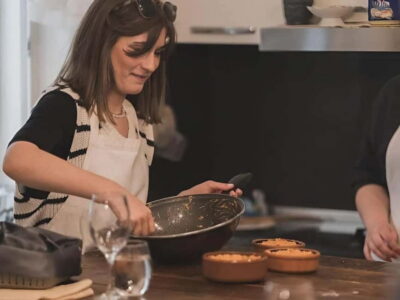
Traditional Cooking Class with Wine & Raki Tasting
Read our review →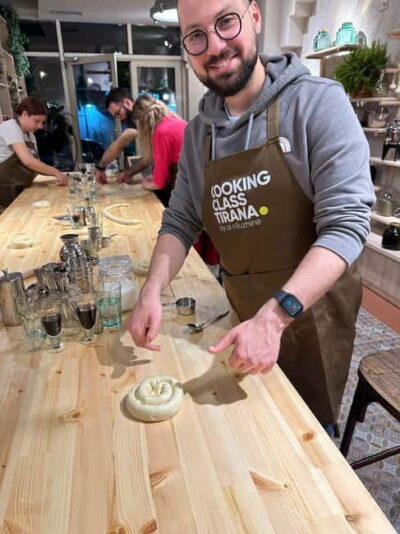
Traditional Albanian Cooking Class in Tirana & Raki Tasting
Read our review →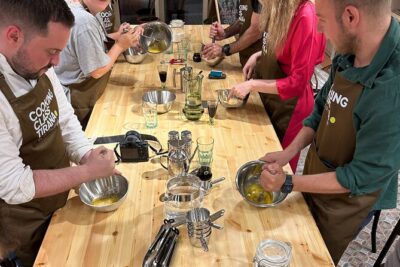
Traditional Albanian Cooking Class in Tirana with Raki Tasting
Read our review →
Berat Cooking Class- Traditional Albanian Cooking Class /By Vato
Read our review →
Tirana Stroll Tour, Walk and Taste Qofte & Raki!
Read our review →
Tirana Cooking Class – Traditional Albanian Recipes
Read our review →
Tirana Photo Shoot in Traditional Albanian Costumes
Read our review →
Experience Blue Eye , Lekuresi Castle and Taste Traditional Albanian Wine
Read our review →Browse the lists this tour appears in