
Reviewed · FOOD & DRINK
Musai Olive Oil Tour and Tasting
Fresh oil tells a story. Musai Olive Oil gives you a close look at Albanian olive growing, modern cold pressing, and the careful tasting behind a bottle of extra virgin oil. I especially like the one-hour format, which fits neatly into a day around Vlorë, and the chance to see the working machinery rather than only a display room. The main consideration is timing: visit during the November harvest if you want the best chance of seeing freshly picked olives being processed.
The tour is also unusually good value at $11 per person. Bruno, the guide and owner, explains the process in clear English and brings real enthusiasm to the subject. You should contact Musai in advance with your arrival time, since the meeting point is the mill and the tour runs at set starting times.
In This Review
- Key points at a glance
- Why this small mill is worth your time
- Meeting Bruno at Musai Olive Oil
- Following the olives through the mill
- Cold pressing and the role of temperature
- Going down to the storage tanks
- Learning to taste extra virgin olive oil
- Kalinjot olives and Albanian character
- Buying bottles straight from the producer
- Who will enjoy this one-hour visit
- Best time to visit Musai Olive Oil
- Is Musai Olive Oil worth $11?
- Should you book the Musai Olive Oil Tour?
- FAQ
- Where is the Musai Olive Oil Tour located?
- How long does the tour last?
- How much does the tour cost?
- What languages are available?
- Is the tour wheelchair accessible?
- Can I cancel or pay later?
Key points at a glance
- See olives become oil: Walk through the mill and follow the process from harvesting to pressing, storage, and bottling.
- November brings the mill to life: During the harvest, you may see freshly picked olives and active machinery in operation.
- Taste oil with a trained guide: Bruno explains aromas, flavors, temperature, and the details that separate good oil from ordinary cooking oil.
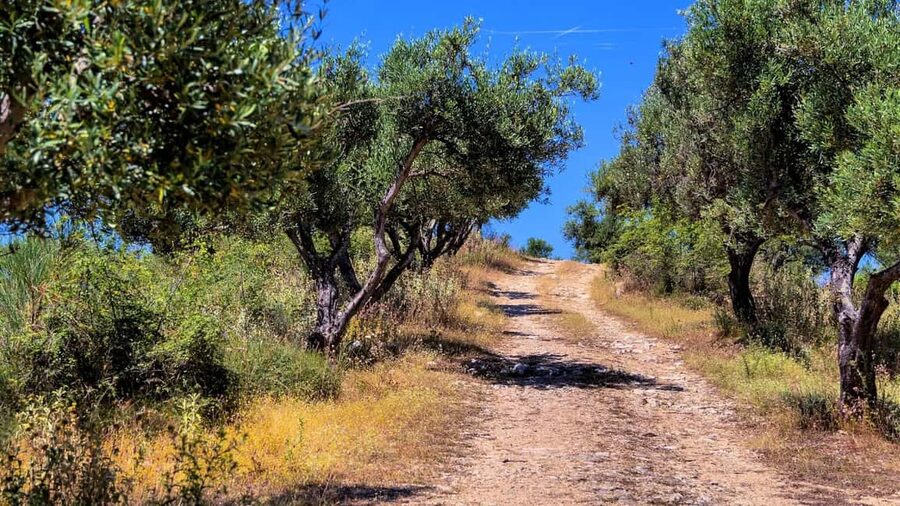
- Made from Kalinjot olives: Musai produces organic-certified extra virgin olive oil from this Albanian variety.
- A strong short stop near Vlorë: The tour lasts one hour and costs $11, making it easy to add to a wider day out.
- Take the best part home: You can buy bottles directly from the producer after tasting the oil.
Why this small mill is worth your time
Vlorë County is well suited to an olive oil visit. The area has long connections with olive growing, and Musai’s operation links that local tradition with modern production equipment. You are not simply looking at a bottle on a shop shelf. You are seeing the machines, storage tanks, and decisions that shape what ends up in the bottle.
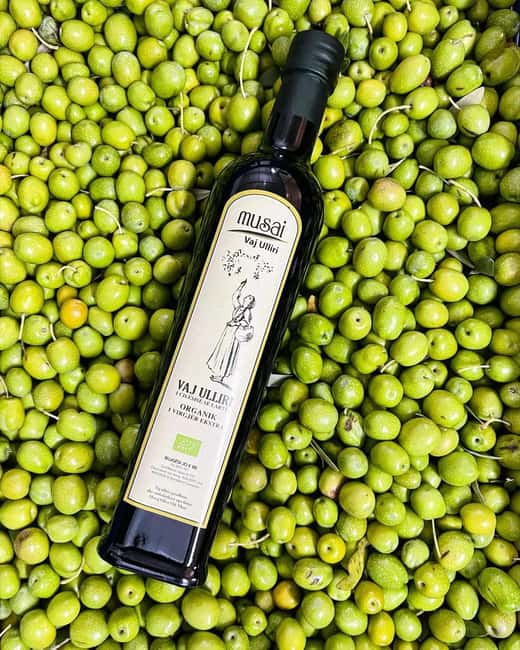
Musaj Olive Oil produces extra virgin olive oil from Kalinjot olives. The oil has organic certification from international organizations, and its quality has been checked by accredited laboratories in Italy and international tasting panels. Musai also has more than 18 gold medals, including Extra Gold awards.
Those details matter, but I would not treat medals as the whole reason to visit. The best part is learning what they mean in practical terms. You see why the timing of the harvest matters, why heat can harm the final product, and how careful handling protects fresh flavor.
At just $11, this is one of the easier food visits to justify. You get a guided mill tour, an explanation of cold extraction, and a tasting led by someone who works with the oil every day. The only caution is that one hour goes quickly. If you want a long walk through the olive groves or an extended food-and-wine style visit, this is not that kind of outing.
More Food Tours in Vlore:
- Ksamil: Mussel Sailing Tour with Food and Drink in Albania
★ 4.9 · 39 reviews - Saranda Hidden Gems: Sunset at Lekursi,Blue Eye&Wine Tasting
★ 4.9 · 20 reviews - Vlora: Zvernec, Ardenica, Local Winery & Food Experience
★ 5.0 · 9 reviews
Meeting Bruno at Musai Olive Oil
The meeting point is Musai Olive Oil in Vlorë County. The supplied details do not give a transfer service or a specific pickup point, so you should plan your own way to the mill and confirm the arrival instructions before setting out.
Bruno leads the visit and speaks Albanian and English. His style, based on the tour details, is personal and hands-on. He explains the process from the harvest through to bottling, and he answers the practical questions that make olive oil easier to understand.
That personal contact makes a difference. A factory tour can feel dry if you only hear technical terms. Here, the subject is connected to decisions you can actually recognize: the age of the trees, the right harvest time, the temperature during extraction, and the way flavor changes from one oil to another.
I also like that this is not presented as a grand staged attraction. The appeal comes from seeing a real producer at work. If Bruno is running the equipment during your visit, the machinery gives the tour a useful sense of purpose. You are watching production, not just hearing about it.
For the smoothest visit, write to Musai before you arrive and give your expected time. This is especially useful if you are fitting the mill between other stops around Vlorë.
Following the olives through the mill
The tour takes you through the full production process. You begin with the raw material, the olives, and then see how they are handled before becoming oil. The exact order and level of activity can depend on the season, but the main lesson is consistent: good olive oil depends on many small choices.
In November, the experience can be especially lively. That is harvest time, and one visit took place while freshly harvested olives were being processed. You may see the machinery in action and understand the short path from fruit to oil far better than you would from a bottle label.
The age of the olive trees is part of the discussion. Tree age affects the fruit and, in turn, the oil. You also learn about the right time to harvest. Picking too early or too late changes the balance of flavor and production, so the calendar matters as much as the equipment.
The mill machinery is another strong part of the visit. You can inspect the different machines and follow how the olives move through the facility. For families, this visual side helps. A five-year-old was excited to see the machines operating, and that is a good clue that the tour is not limited to food specialists.
Still, you should keep expectations sensible. This is a working mill, not a large museum with many separate exhibits. The value comes from the explanation and the ability to see the process up close.
Cold pressing and the role of temperature
The modern facility uses cold extraction to preserve freshness, flavor, and the oil’s useful qualities. Bruno explains why temperature is such an important factor. Too much heat may help produce more oil, but it can damage the qualities that make extra virgin olive oil appealing.
This is where the tour moves beyond a simple tasting. You learn that extra virgin oil is not defined only by color or a pleasant smell. Production methods, fruit quality, cleanliness, timing, and temperature all matter.
Musai combines traditional methods with modern equipment. That balance is worth noticing. Traditional olive growing provides the local character, while modern cold pressing gives the producer more control over the final product.
The process also helps you read labels more carefully later. You can ask about the olive variety, harvest timing, extraction method, and storage instead of choosing a bottle only because it has an attractive design. That small bit of knowledge can save you from buying oil that looks impressive but lacks freshness.
A few more Vlore trips worth comparing
- Vlorë: Sazan Island, Haxhi Ali Cave, and Karaburun Boat Tour
★ 4.8 · 2,170 reviews - Vlorë: Sazan Island, Haxhi Ali Cave, and Karaburun Boat Tour
★ 4.9 · 947 reviews - Vlore: Haxhi Ali Cave, Karaburun Speedboat Tour & Snorkeling
★ 4.9 · 867 reviews - From Vlore: Haxhi Ali Cave & Karaburun Beach Speedboat Tour
★ 4.9 · 791 reviews
Going down to the storage tanks
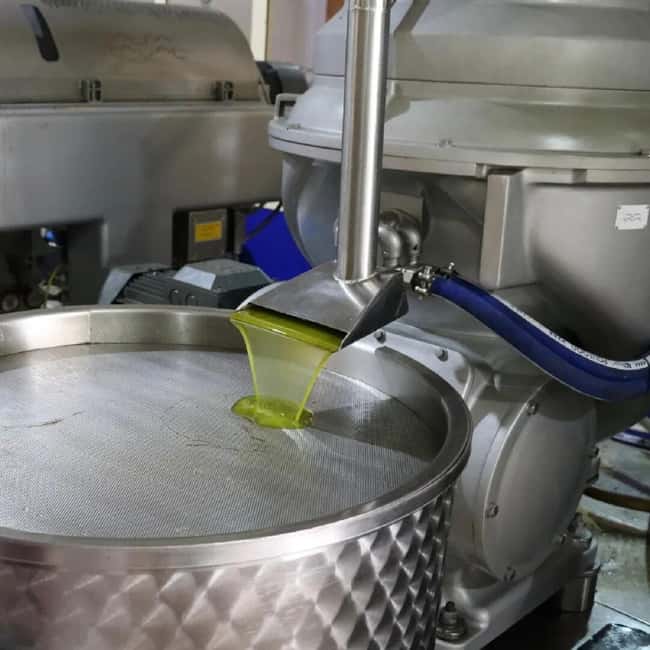
One memorable part of the visit is taking a lift down to tanks filled with fresh olive oil. This gives the tour a physical rhythm: you start with the olives and machines, then move to the place where the finished oil rests before bottling.
Seeing the tanks helps you understand that the product is not instantly poured into a bottle after pressing. Storage and handling are also part of quality control. The tour connects the clean, modern facility with the less visible work that happens between extraction and sale.
This stop may be brief, but it makes the process easier to picture. You can look at the oil in its working environment before tasting it, rather than treating the sample as an isolated food item.
The lift may also make the visit more accessible for people who need step-free access, although you should confirm any specific requirements with the provider before booking. The activity is listed as wheelchair accessible.
Learning to taste extra virgin olive oil
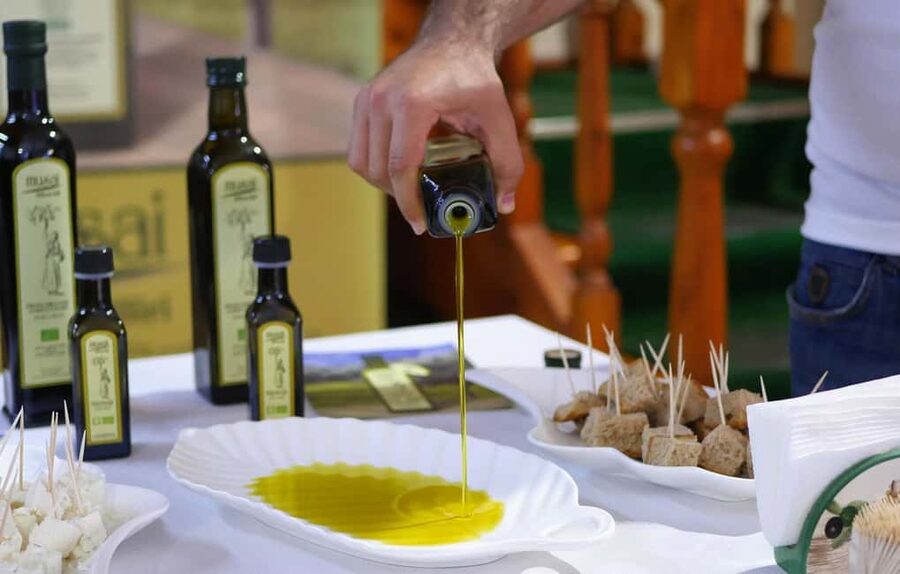
The tasting is the highlight for many people, and I can see why. Olive oil is familiar, but most of us use it without paying close attention to its aroma or finish. A guided tasting gives you a way to slow down and notice what is in the glass.
Bruno explains how to identify different aromas and flavors. You learn what to look for as you taste, including the character of the oil and the subtle differences between samples. One part of the visit focuses on what makes the best oil and what to watch for when buying it.
The tasting is not just about deciding if you like the flavor. It gives you a vocabulary for freshness, balance, and intensity. You may notice fruitiness first, followed by a peppery or bitter quality. Those stronger notes can be signs of character rather than faults, though your own preference still matters.
Musai’s oil is known for a high polyphenol content. Polyphenols are natural compounds found in olives, and they contribute to the oil’s taste and are often discussed in relation to its health value. The tour presents this as part of the oil’s character, alongside its lab testing and awards.
I appreciate the practical tone of this part. You do not need to become an oil judge. You only need to pay attention, compare what you taste, and carry that skill to your next market or grocery shop.
Kalinjot olives and Albanian character
The oil is made from Kalinjot olives, a variety associated with Albania. That gives the tasting a clear local focus. You are not sampling a generic Mediterranean product with the name of the country added later.
The exact taste can change with harvest conditions and processing, so your sample may not be identical to another bottle from another season. That is normal with olive oil. The important point is that the tour shows how variety, tree age, harvest timing, and temperature all influence the final result.
Musai’s international medals and Italian laboratory testing provide outside recognition, but the tasting gives you a more personal way to judge the oil. You can decide if you enjoy its style, intensity, and finish.
This is also a useful stop for anyone curious about Albanian food traditions. The visit links agriculture, technology, family-level passion, and export-quality production in a single hour.
Buying bottles straight from the producer
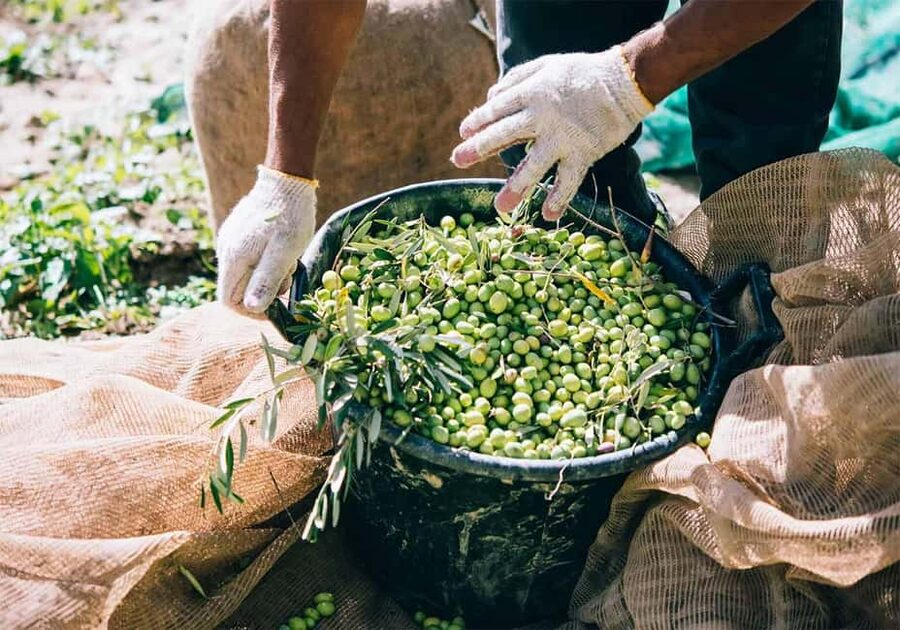
You can buy Musai Olive Oil before leaving. This is a sensible place to purchase it because you have just seen how it was made and tasted the product with guidance.
Buying at the mill also gives you a chance to ask questions about the oil you choose. If you plan to carry bottles home, check your airline and destination rules before buying, since the tour details do not provide baggage or shipping information.
I like the direct connection between tasting and purchase. You do not have to buy anything, but if you find an oil you enjoy, the decision is simple. Several people left with bottles after tasting the product, which suggests that the visit can turn curiosity into a useful food souvenir.
The best value is not the bottle alone. It is the understanding you take with it. At home, you can use the oil with more care and explain why the flavor differs from ordinary supermarket oil.
Who will enjoy this one-hour visit
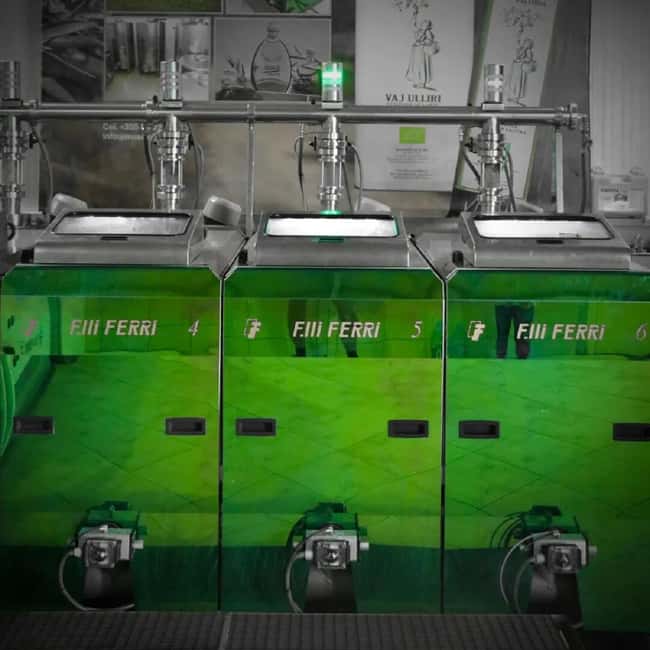
This tour suits food lovers, families, couples, and anyone looking for a short cultural stop near Vlorë. It is also a good choice for a staff outing or small group activity because the subject is easy to follow and the tasting gives everyone something to discuss.
Children may enjoy the working machinery, especially during harvest season. Adults will get more from the explanations about extraction, quality, and tasting, but you do not need prior knowledge to follow the tour.
I would recommend it to you if you enjoy meeting producers and seeing how a local product is made. It is also useful if you want an activity that feels different from a standard coastal sightseeing stop.
You may want to skip it if your schedule has no room for a one-hour detour, if you dislike tastings, or if you expect a long countryside walk. The experience centers on the mill, production process, and tasting.
The tour is offered in Albanian and English. It is listed as wheelchair accessible, and free cancellation is available up to 24 hours before the start for a full refund. You can also reserve now and pay later, which helps if your Vlorë plans are still changing.
Best time to visit Musai Olive Oil
November is the most appealing month if you want to see the mill at its busiest. Freshly harvested olives may be arriving, and the machines may be operating as you walk through the facility.
Outside the harvest period, you can still learn about the same production stages and taste the oil. The visit may simply feel more like a guided look at the facility rather than a chance to watch the newest crop being processed.
Since the tour lasts one hour, you can fit it into a wider day. Check the available starting times before booking, then allow enough time to reach the meeting point. The provider does not state that transportation is included, so do not assume that a hotel pickup or transfer is part of the price.
Is Musai Olive Oil worth $11?
Yes, the price is strong for what you receive. For $11, you get access to the mill, an explanation of cold extraction, a guided tasting, and the chance to buy directly from the producer.
The tour also gives you information that can improve future purchases. Learning how harvest timing and temperature affect oil is more useful than simply hearing that a product has won awards.
The one-hour length keeps the cost and time commitment low. You are not paying for a full meal or a long organized excursion, so the value depends on your interest in food production. If olive oil means little to you, the visit may feel specialized. If you enjoy local food and working producers, it is an easy recommendation.
Should you book the Musai Olive Oil Tour?
I would book this tour if you are near Vlorë and want a practical, low-cost look at Albanian food production. The strongest reasons are the working mill, Bruno’s clear explanations, the November harvest activity, and the chance to taste the oil in the same place it is produced.
Try to arrange your arrival in advance, and choose November if seeing fresh olives processed matters to you. For everyone else, the one-hour visit still offers a useful lesson in cold extraction and a good chance to take home a bottle with a story behind it.
FAQ
Where is the Musai Olive Oil Tour located?
The meeting point is Musai Olive Oil in Vlorë County, Albania.
How long does the tour last?
The tour lasts one hour. Starting times depend on availability.
How much does the tour cost?
The price is $11 per person.
What languages are available?
The tour is available in Albanian and English.
Is the tour wheelchair accessible?
Yes, the activity is listed as wheelchair accessible.
Can I cancel or pay later?
You can cancel up to 24 hours in advance for a full refund. You can also reserve your place and pay later.
Newly listed around Vlore
- Vlore: Private Speedboat Tour to Sazan-Karaburun Marine Park★ 5.0 · 2 reviews
- Vlore: Dafina Cave & Haxhi Ali Cave Speedboat Guided Tour★ 4.9 · 30 reviews
- Vlore Sunset at Haxhi Ali Cave★ 5.0 · 2 reviews
- Vlore: Private Speedboat Tour to Haxhi Ali Cave★ 5.0 · 2 reviews
- Vlore: Dafina Cave & Haxhi Ali cave Private Guided Tour★ 5.0 · 4 reviews
- Haxhi Ali Cave & Saint Vasil Beach Tour from Vlore★ 3.6 · 6 reviews
- Vlore: Speedboat Adventure Sazan Island & Haxhi Ali Cave★ 4.4 · 18 reviews
- Vlore: Sazan Island & Haxhi Ali Cave Speedboat Guided Tour★ 4.9 · 26 reviews
Food & Drink, compared.
Traditional Cooking Class with Wine & Raki Tasting
Read our review →
Cooking Classes and Traditional food tasting in Tirana
Read our review →
Traditional Albanian Cooking Class in Tirana & Raki Tasting
Read our review →
Best of Local Food & City Tour of Tirana – Food & Drinks Included
Read our review →
Durrës Countryside Vineyard Experience with Wine & Food Pairing
Read our review →
Traditional Albanian Cooking Class in Tirana with Raki Tasting
Read our review →Browse the lists this tour appears in