
Reviewed · CASTLE TOURS
Kruja Castle ,Sari Salltik & Durrës fromTirana
Mountains, castles, and the Adriatic in one day. This full-day trip links Kruja Castle with the seaside city of Durrës, giving you a useful first look at Albania beyond Tirana. I especially like the contrast between Kruja’s mountain setting and Durrës’ Roman ruins and coastal promenade. The chance to hear local stories from guides such as Adi, Besnik, Ali, or Skerdi adds warmth that a self-guided day can miss.
I also like the included hotel pickup and air-conditioned vehicle, since public transport between these places can make a busy day harder to manage. The main drawback is the pace: eight to nine hours covers a lot of ground, and some people may find the time in Durrës too short for a relaxed meal, swim, and full sightseeing.
In This Review
- Five useful things to know before you book
- What this Tirana day trip is really like
- Kruja Castle and Skanderbeg Museum
- Kruja’s 400-year-old bazaar
- Sari Salltik and the mountain above Kruja
- Durrës Amphitheater and the old city
- Byzantine Forum and Italian-style streets
- Durrës Castle and the Venetian Tower
- The Vollga promenade and optional seafood lunch
- The guides and the value of local explanation
- Timing, comfort, and who should book
- Should you book this Kruja and Durrës tour?
- FAQ
- How long does the tour last?
- Where does pickup take place?
- How much does the tour cost?
- Is hotel pickup included?
- What is the maximum group size?
- Is lunch included?
- Are admission tickets included?
- Can I cancel for a full refund?
Five useful things to know before you book
- Kruja is the strongest historical stop: The castle, Skanderbeg Museum, old bazaar, and mountain views give the day its clearest sense of place.
- You see two very different sides of Albania: Kruja rises above the plain, while Durrës opens onto the Adriatic coast.
- The drive is part of the experience: About 1 hour and 30 minutes is spent reaching Kruja from Tirana, with more road time between the main stops.
- Guiding is a major part of the value: Adi is often praised for clear explanations, safe driving, local stories, and restaurant advice.
- Lunch is optional: A seafront seafood meal can be arranged, but it is not included in the tour price.
- Expect a small-group feel: The maximum group size is 15, though some departures may be much smaller.
What this Tirana day trip is really like
This is a long but efficient outing for anyone based in Tirana. For $84.10 per person, you get hotel pickup, transportation, a guide, and a full day visiting mountain and coastal sights. The price makes the most sense if you value ease and local explanation more than independent wandering.
The tour begins with pickup at your hotel at the agreed time. Be ready at the entrance, since the guide uses the hotel as the meeting point. Confirmation arrives when you book, and most people can take part, but you should expect a full sightseeing day rather than a slow holiday excursion.
The vehicle is air-conditioned, a worthwhile feature during Albania’s warmer months. Still, one family group found a five-seat vehicle tight for four adults plus the driver. If you are booking for a larger family or prefer extra room, ask about the vehicle before paying.
The group limit is 15 people. In practice, some departures can be much smaller, even a private-feeling outing with only one person. That can make it easier to ask questions and adjust the pace, although you should not assume every departure will be private.
More Castle Tours in Kruja
- Kruja castle, the old Bazaar & Sarisalltik- Departure from Tirana
★ 5.0 · 592 reviews - From Tirana: Krujë Day Trip with Krujë Castle & Old Bazaar
★ 4.8 · 71 reviews - From Tirana: Kruja Castle, Old Bazaar and Sari Salltik Tour
★ 5.0 · 39 reviews
Kruja Castle and Skanderbeg Museum
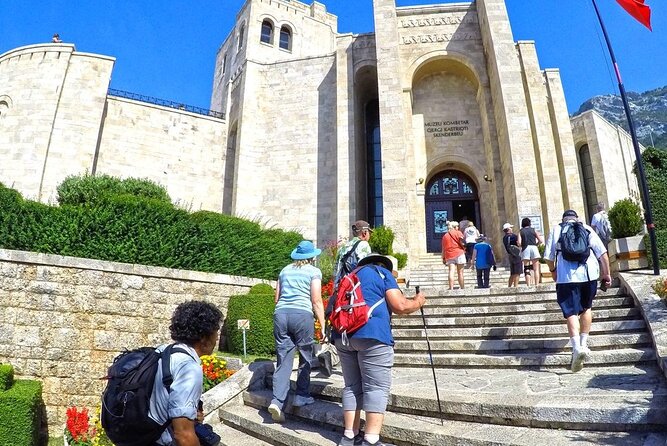
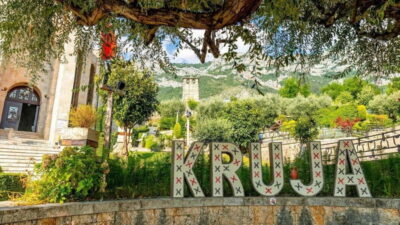
Kruja is about 1 hour and 30 minutes from Tirana by road. The city rises into the foothills of Mount Krujë, and the approach gives you a clear change from the capital’s busy streets to a more rugged setting.
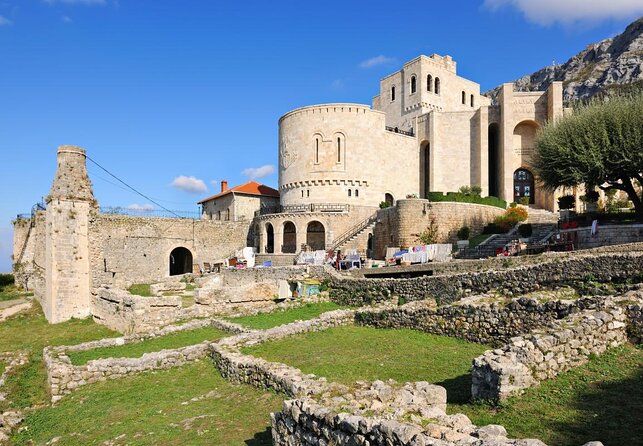
The castle area is not a single intact fortress waiting behind one grand gate. It is a historic quarter with old lanes, houses, museum buildings, and viewpoints over Kruja and the plain below. Give yourself time to look beyond the main walls. The views are one of the best reasons to visit.
The Skanderbeg Museum explains Albania’s resistance to the Ottoman Empire in the 15th century, led by national hero Gjergj Kastrioti Skanderbeg. The subject is central to Albanian national identity, and a guide can help you understand the people, battles, and symbols presented inside.
This is where a good guide makes a real difference. Adi is praised for clear explanations and local stories, while Skerdi is described as attentive and good at keeping the visit moving at a comfortable pace. English captions may be limited in parts of the museum, so guided explanation can add real value.
The castle and museum receive about two hours. That sounds generous, but it includes movement between the castle area, museum, and bazaar. If you enjoy history, you will probably want to give most of that time to the museum and old castle quarter rather than rushing through every shop.
One practical point needs attention: the supplied tour information says admission is included, but one detailed account says the castle museum cost €5 separately. Confirm the current admission arrangement before departure so you know what is covered.
Kruja’s 400-year-old bazaar
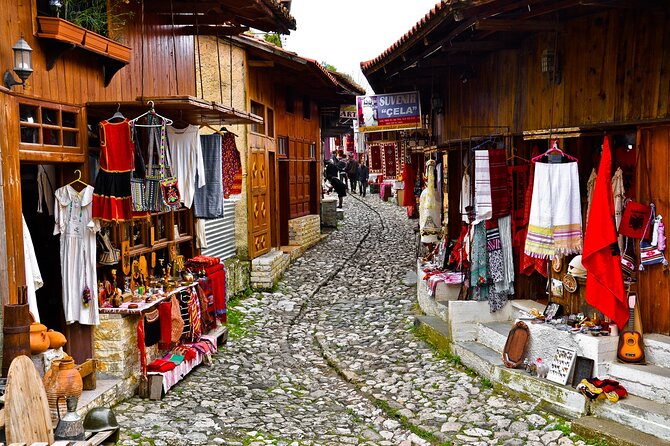
After the castle, you walk through Kruja’s old bazaar. The marketplace follows an Ottoman-style street and is described as more than 400 years old. It is one of the most atmospheric parts of the day because it still feels like a place for browsing and bargaining, not just a photo stop.
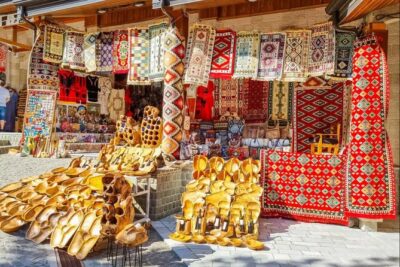
The shops sell traditional goods, souvenirs, textiles, and crafts. You may find the bazaar more appealing than a modern shopping street because the old road, sloping setting, and timber-fronted shops create a strong sense of place.
Allow room for choice here. Some people want time alone to browse, while others prefer the guide to continue explaining the area. A few people have wished for more free time in Kruja rather than a fixed museum visit, so tell your guide early if shopping matters to you.
The bazaar is also a good place to buy a small reminder of Albania, but do not feel pressured to purchase. The best value of the stop is the setting and the chance to walk through one of the country’s best-known traditional markets.
Sari Salltik and the mountain above Kruja
Sari Salltik is a Bektashi shrine on Mount Krujë, above the city. It is associated with Sari Saltik, a 13th-century dervish and folk saint honored in parts of the Balkans.
The shrine is an important spiritual site for people who believe it can turn bad luck into good. You should approach it as a place of faith, not simply as another scenic viewpoint. The religious meaning gives the mountain stop a different character from the castle museum.
The visit lasts about 45 minutes. Its biggest reward is the wide view toward Kruja and the Adriatic coast. On a clear day, this helps you understand the geography of the trip: mountain shrine above the city, broad plain below, and sea in the distance.
The order of this stop may vary in practice, since the published route places Sari Salltik after the Durrës portion. Ask your guide at pickup when you will visit it. That matters if you want to plan your energy, clothing, or photography around the mountain stop.
More Castle Tours in Tirana
- Berat city UNESCO tour, the Castle & Belshi lake- From Tirana
★ 5.0 · 804 reviews - Savor Albanian Cuisine Cooking Class with Mama Nina Berat Castle
★ 5.0 · 55 reviews - Shkodra from Tirana: Day Tour of castle, city & Skadar Lake
★ 4.8 · 32 reviews - Day tour of Berat UNESCO city , castle and Belshi Lake
★ 5.0 · 26 reviews
Durrës Amphitheater and the old city
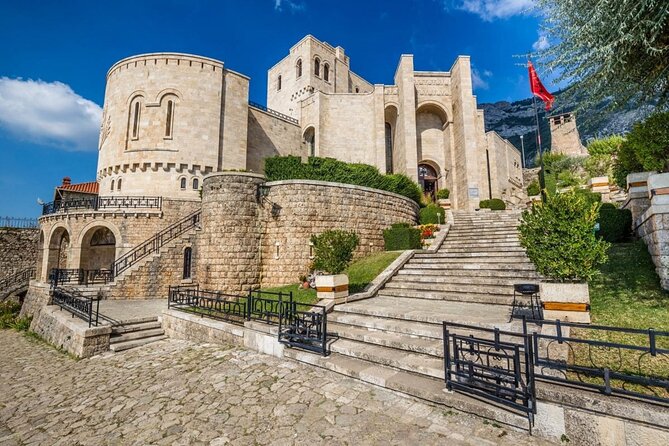
From Kruja, the tour continues to Durrës, one of Albania’s oldest cities, founded in 627 B.C. Its past reaches from ancient Greek settlement through Roman and Byzantine periods, Venetian influence, the rule of King Zog, and the modern seaside city.
The Roman amphitheater is the key sight. Built in the early 2nd century, it once held about 20,000 spectators for gladiator contests and performances. It is among the largest ancient amphitheaters in the Balkans, and its position within the modern city makes the visit especially striking.
You are not looking at ruins in an isolated archaeological park. Streets and buildings surround the amphitheater, showing how the old city has been absorbed into present-day Durrës. That mix makes the stop more interesting, though it can also feel less polished than a major heritage site elsewhere in Europe.
The route also includes the old Byzantine Market, described as a remnant of the city’s commercial center. This is a shorter historical stop, but it helps connect the amphitheater with the everyday business life of ancient Dyrrachium.
Durrës receives about two hours in the main city portion. That is enough for the principal sights with a guide, but you may need to choose between lingering at the amphitheater, browsing, eating, and taking photographs.
Byzantine Forum and Italian-style streets
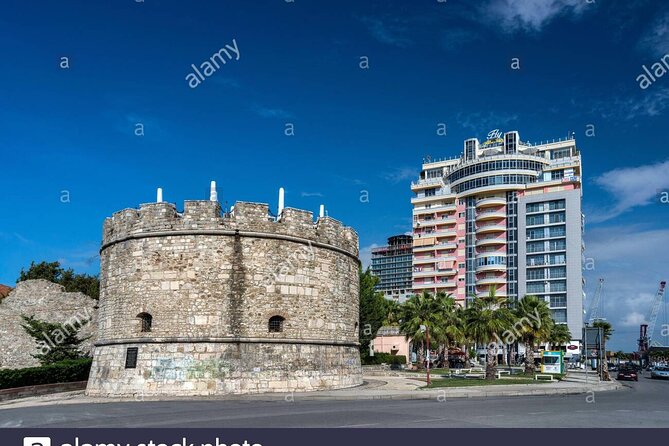
The Byzantine Forum, also called the Macellum, dates to the 6th century and was built during the reign of Emperor Anastasius I. Its circular colonnades and remaining stonework hint at a former public and religious center.
The site is not huge, so the value comes from interpretation. Look at the arrangement of the columns and imagine the forum as part of a larger urban center. Your guide can explain how the ruins fit into the long story of Durrës instead of leaving you to guess at scattered stones.
The walk then shifts from ancient remains to early 20th-century architecture. Italian-style buildings from the period of King Zog reflect the strong Italian influence on parts of Durrës. This change of setting is one of the tour’s useful lessons: the city’s identity was shaped by several eras, not just its Roman past.
This section lasts about 1 hour and 30 minutes. Wear comfortable shoes, since the day combines castle lanes, archaeological ground, city streets, and promenade walking.
Durrës Castle and the Venetian Tower
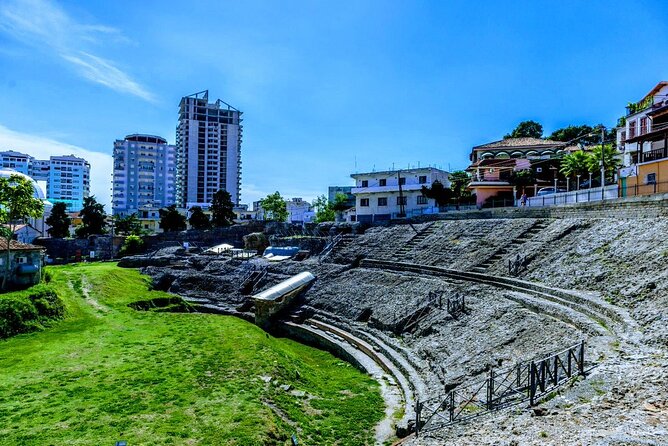
Durrës Castle began as a 5th-century citadel built by Byzantine Emperor Anastasius I. The surviving walls offer a glimpse of the city’s defensive role and its importance on the Adriatic coast.
Within the fortification, the Venetian Tower is the most recognizable structure. It was added in the 15th century by the Venetians and reflects later medieval and Ottoman influence. The tower is a useful reminder that Durrës was repeatedly contested because of its position by the sea.
The stop lasts about 30 minutes and admission is free. You will have time for photographs and a short look at the walls, but this is not a long fortress exploration. Treat it as a compact historical pause between the forum and the coast.
The tower also provides city and coastline views. If you are hoping for a large, intact castle, keep expectations modest. The appeal is the layering of surviving walls, later additions, and the modern city around them.
The Vollga promenade and optional seafood lunch
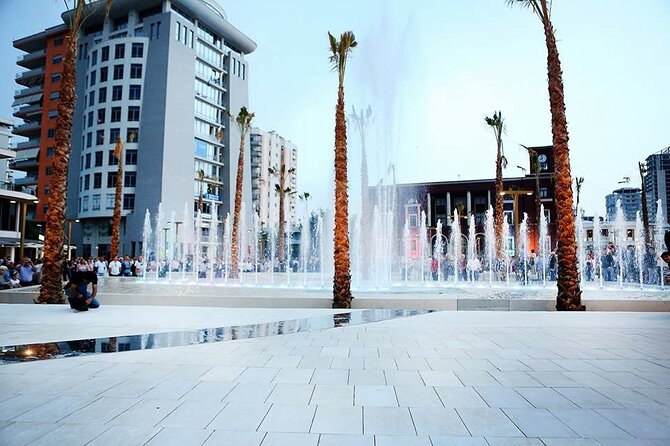
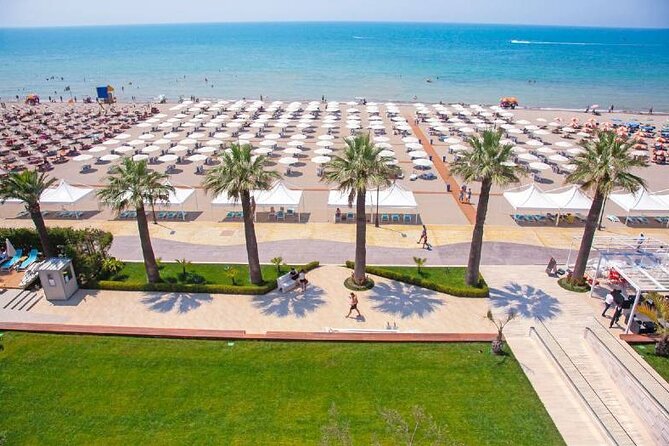
The Durrës promenade, Shetitorja Vollga, brings a lighter finish to the historical portion of the day. Palm trees, cafés, restaurants, and the Adriatic create a relaxed change after the castle and ruins.
You have about one hour here. You can walk beside the water, stop for coffee, take photographs, or, if conditions suit, swim in the sea. The tour information describes the water as clear, but swimming time will naturally depend on the day’s schedule and the group’s pace.
Lunch is optional and not included in the $84.10 price. A seafront restaurant can be arranged, with fish, shrimp, mussels, or other seafood. Several strong experiences came from having lunch by the coast, and this is one place where asking the guide for help pays off.
Do not wait until the final minutes to request food. One person found the tour rushed and had little time for eating or drinking, while another enjoyed a relaxed seafood lunch. The difference may come down to timing, group needs, and communication. Tell the guide at the start if lunch is important to you.
Durrës is not equally rewarding for everyone. Kruja usually delivers the stronger historical experience, while Durrës works best as a change of scene with Roman ruins, coastal air, and a chance to eat by the sea. If you prefer one place in depth, this combined route may feel too broad.
The guides and the value of local explanation
The guide can shape the day more than any single monument. Adi receives especially warm praise for being friendly, punctual, patient, and clear in English. He is also credited with explaining Albania’s past, sharing stories about growing up during the communist period, recommending restaurants, and helping people understand places that have few English captions.
Other named guides include Adnan, Ali, Skerdi, and Besnik. Ali is praised for safe driving and solid explanations in both Kruja and Durrës. Besnik is associated with a well-organized day and a good seafront lunch, while Skerdi is described as attentive and well paced.
The company uses different guides, so do not book solely on the assumption that one particular person will lead your departure. Still, the pattern is clear: the best part of the experience is not only transport between monuments. It is the conversation along the way, including local food advice and context about modern Albania.
The guide may also bring coffee or water, but this should be treated as a pleasant extra rather than a guaranteed inclusion.
Timing, comfort, and who should book
This is a good choice if you have only a few days in Tirana and want to see more of Albania without arranging several bus journeys. You get mountain scenery, a historic market, a religious shrine, ancient ruins, Ottoman and Venetian traces, Italian-style streets, and the Adriatic in one day.
It suits first-time visitors, history fans, couples, solo visitors, and anyone who likes asking questions while riding between places. It is also useful if you want a safe driver and hotel pickup rather than managing unfamiliar roads.
I would hesitate if you dislike long drives or prefer unhurried meals. You should also think twice if you want a full beach day, since the Durrës promenade is a short part of a much larger historical route.
Wear comfortable shoes and bring sun protection. Keep some cash available for optional food, drinks, shopping, and any museum admission that is not covered. The cancellation policy allows a full refund when you cancel at least 24 hours before the start time, but changes or cancellations inside that window are not accepted.
Should you book this Kruja and Durrës tour?
Book it if your priority is breadth, easy transport, and local explanation. The contrast between Kruja’s castle and Durrës’ coast is excellent, and the Skanderbeg Museum is likely to be the day’s highlight.
Skip it in favor of a slower single-city visit if you want long meals, extensive bazaar shopping, or several hours at the seaside. Before booking, confirm the vehicle size, museum admission, guide language, and lunch plan. If those details suit you, this is a practical way to turn one day in Tirana into a much broader Albanian experience.
FAQ
How long does the tour last?
The experience lasts approximately eight to nine hours, including transportation and visits to Kruja, Sari Salltik, and Durrës.
Where does pickup take place?
Pickup is offered from your hotel in Tirana. You should wait for the guide at the appointed time at the hotel.
How much does the tour cost?
The listed price is $84.10 per person. Optional lunch and some possible admission costs may be separate.
Is hotel pickup included?
Yes. Hassle-free hotel pickup is one of the features of the experience.
What is the maximum group size?
The tour can include a maximum of 15 people. Some departures may be much smaller.
Is lunch included?
No. Lunch is optional. You may arrange a seafood meal at a seafront restaurant in Durrës, but you pay for it separately.
Are admission tickets included?
The tour details state that admission is included for the Kruja Castle visit and museum, while the Durrës stops are listed as free. Because one account describes paying €5 for the Kruja museum, confirm the current admission policy before departure.
Can I cancel for a full refund?
Yes, if you cancel at least 24 hours before the experience start time. Cancellations or changes made less than 24 hours before the start time are not accepted for a refund.
Newly listed around Tirana
- Wonderful Sunset and Dinner in the Castel Of Petrela★ 4.6 · 4 reviews
- Zipline Tirana Adventure & Petrela Castle – With Transport★ 4.4 · 10 reviews
- Wine Tasting & Vineyards Escape near Tirana★ 4.9 · 8 reviews
- Walking Tour in Tirana, Albania★ 3.7 · 28 reviews
- Vlora, Dhermi & Llogara Day Trip from Durrës or Golem★ 5.0 · 5 reviews
- Day Tour to Petrela Castle and Zip Line Albania Adventure★ 5.0 · 10 reviews
- From Tirana: Mount Dajti Adventure, Local Vibes & Cable Car opt★ 4.5 · 6 reviews
- Winetasting tour in Alpeta winery – Roshnik village by 1001 Albanian Adventures★ 5.0 · 26 reviews
Castle Tours, compared.
Lekursi Castle, Blue Eye, Gjirokaster, & More Tour
Read our review →
Berat city UNESCO tour, the Castle & Belshi lake- From Tirana
Read our review →
Daily Trip To:Blue Eye,Monastery,Gjirokaster&Lekursi Castle
Read our review →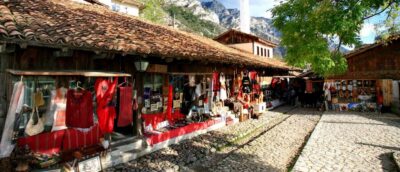
Kruja castle, the old Bazaar & Sarisalltik- Departure from Tirana
Read our review →Browse the lists this tour appears in