
Reviewed · MUSEUMS
Durrës: Peeping Tourist Exhibition Ticket
Old walls can tell unsettling stories. The Peeping Tourist House Museum offers a close look at everyday life under Albania’s communist regime, using a preserved home, a small garden, a concealed shelter, and personal objects rather than grand monuments. I like the intimate setting, and I like how the tour connects household life with the controlled world of Albanian tourism. The main consideration is the shelter, which is cramped and not suitable for people with claustrophobia.
This is a short, focused visit near central Durrës. In about 40 minutes, an English or Italian-speaking guide explains surveillance, emergency alarms, AlbTurist, and the limits placed on contact with foreigners. A simple communist-era treat at the end adds a human touch. The museum is praised for its clear explanations and friendly female guide, but check the accessibility details before booking because the information describes the site as wheelchair accessible while also excluding wheelchair users and people with mobility impairments.
In This Review
- Key points to know before you go
- Why this small house matters in Durrës
- Finding the old doors and starting the visit
- Inside the one-room communist-era home
- The hidden shelter and the physical reality of alarms
- AlbTurist, foreigners, and the Sigurimi
- The communist-era treat at the end
- Is $9 a fair price for 40 minutes?
- Who will enjoy this museum most?
- Practical advice for a smoother visit
- My verdict on the Peeping Tourist House
- FAQ
- Where is the Peeping Tourist House Museum located?
- How long does the tour take?
- How much does admission cost?
- What languages are available?
- What does the admission include?
- Is food included?
- Is transportation included?
- Can I take photographs?
- Is the experience suitable for wheelchair users?
- Who should avoid the shelter?
- Can children attend?
- What should I bring?
- Can I cancel the booking?
Key points to know before you go
- A one-room home becomes the museum: You see how an ordinary Albanian household was presented and used during the communist period.
- The shelter is part of the story: A small emergency space shows how alarms could force as many as 50 people into a confined area for up to 30 minutes.
- AlbTurist explains controlled tourism: You learn how Albania welcomed selected foreign visitors while the Sigurimi monitored contact and movement.
- The visit lasts about 40 minutes: It works well as a compact stop while exploring Durrës on foot.
- A small local treat finishes the tour: Food here is not a meal, but it helps show how people created hospitality during shortages.
- The explanations receive the strongest praise: The museum’s guide is described as friendly and especially good at making difficult history clear.
Why this small house matters in Durrës
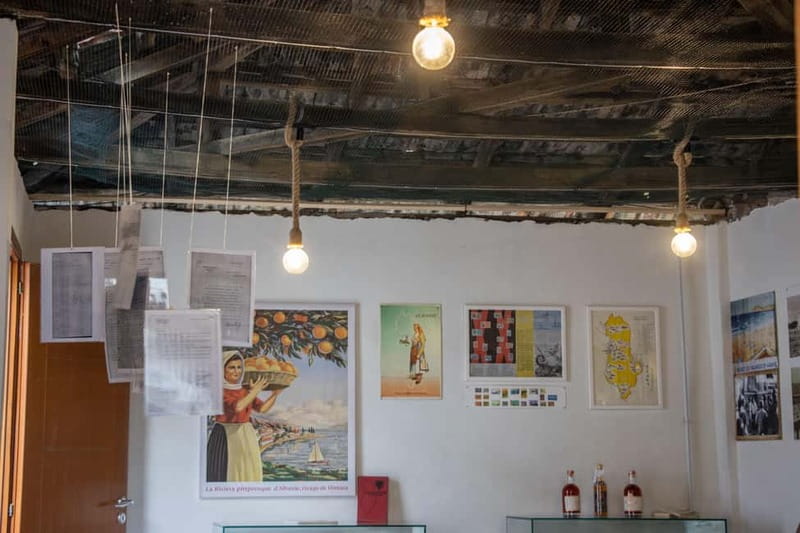
The Peeping Tourist House is not a large museum with endless display cases. Its power comes from scale. You enter a single-room home with a garden and see how a political system reached into ordinary domestic life.
That approach makes the visit easier to grasp than a general account of Albanian communism. Instead of hearing only about leaders and policies, you consider what surveillance and shortages meant for a family, a neighborhood, and anyone who came into contact with foreigners.
Durrës is a useful place for this subject. The city has long been connected with visitors, hotels, ports, and the wider outside world. The house museum links that local setting to Albania’s larger story: the country wanted tourism, but only on tightly controlled terms.
I would not treat this as a complete history of Albania’s communist era. Forty minutes is enough for a strong introduction, not a full political study. Its focus is narrower and more personal, which is exactly why it works well for visitors who want context without spending half a day indoors.
More Museum Visits in Durres:
- From Tirana: Explore Durres Museum, Amphitheater & Coastal.
★ 5.0 · 2 reviews - From Tirana: Half-Day Kruja Trip and Skanderbeg Museum Entry
★ 4.7 · 41 reviews - Kruja, Old Bazaar, Museum,Sari Saltik tour from Tirana
★ 4.5 · 33 reviews
Finding the old doors and starting the visit
The stated meeting point is Shtegu i dyerve të vjetra të Durrësit, associated with Familja Nushi. The exhibition is near the center of Durrës, so it can fit neatly into a day of walking around the city.
You do not get hotel pickup or drop-off. Plan to make your own way to the starting point, and allow enough time to identify the old-doors area before the scheduled start. Comfortable shoes make sense, especially if you are combining the museum with other sights in central Durrës.
The tour itself is guided rather than self-directed. That matters here because many of the objects and spaces need explanation. A room, a shelter, or an old household item can look ordinary until you learn what it reveals about surveillance, alarm procedures, or life under scarcity.
Guiding is available in English and Italian. The strongest praise is directed at the woman working in the museum, who is described as friendly and clear in her explanations. One Polish-speaking visitor especially valued the direct account of old times, eavesdropping, and details that younger people may find hard to imagine.
Inside the one-room communist-era home
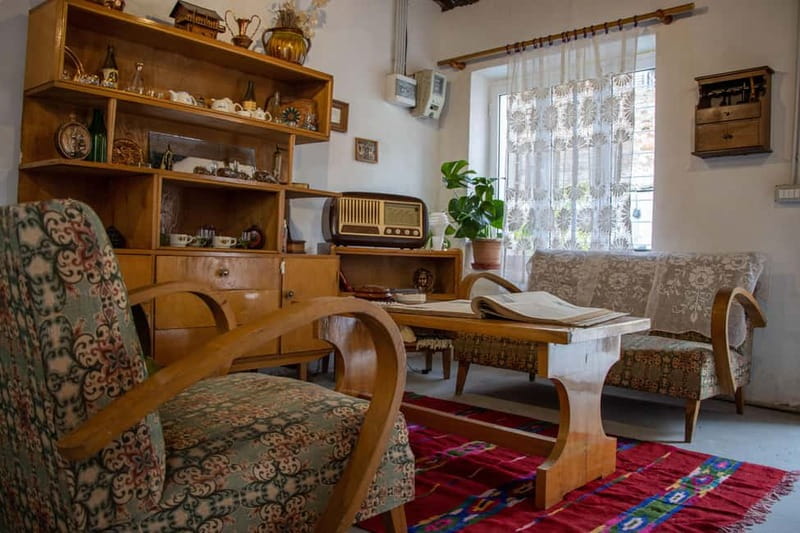
The home is preserved to reflect daily routines during Albania’s communist period. The intimate layout means you are not simply passing through a display hall. You are looking at a domestic space where the political system had a direct effect on how people lived, behaved, and received others.
The museum uses artifacts and stories to show adaptation. Under scarcity, people had to make do with limited goods and find practical ways to maintain family life. The small garden adds to the sense that this was a lived household rather than an abstract history lesson.
The title Peeping Tourist points toward the uneasy relationship between tourism and surveillance. The experience asks you to think about who was watching, who was being watched, and how much freedom people had when foreigners entered the country.
You should expect the guide to do much of the interpretive work. This is not the kind of place where every object comes with a long written label. If you enjoy asking questions, the format should suit you. If you prefer a quiet museum where you set your own pace, the guided structure may feel more restrictive.
The rules are also clear. You are asked not to touch exhibits or plants, make noise, smoke, drink alcohol, or bring drugs into the experience. Bare feet are not allowed. These limits are sensible in a small preserved home, where a careless hand can cause more damage than it would in a large modern museum.
The hidden shelter and the physical reality of alarms
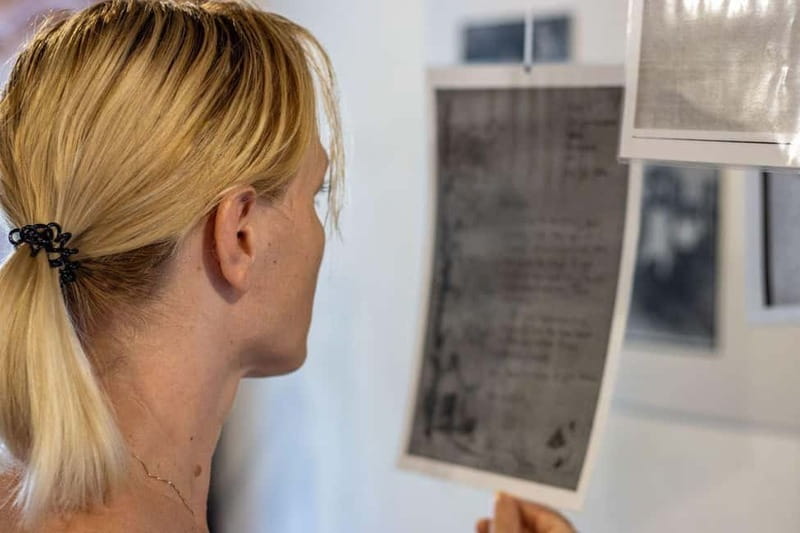
The shelter is likely to be the most memorable part of the visit, but also the part that needs the most caution. It was built to protect residents during emergency alarms, and the space could hold up to 50 people for periods of up to 30 minutes.
That detail changes the way you think about the period. A shelter is not just a piece of military infrastructure. It represents the fear, preparation, and crowding that shaped daily life. Standing in or viewing a small underground space gives the subject a physical edge that a wall panel cannot provide.
You should not expect comfort. The shelter is specifically unsuitable for people with claustrophobia, and the listed restrictions also exclude people over 6 feet 6 inches, or 200 centimeters, and people over 309 pounds, or 140 kilograms. Anyone with mobility concerns should ask for confirmation before booking.
There is a conflict in the supplied access information. One section describes the experience as wheelchair accessible, while another says it is not suitable for wheelchair users or people with mobility impairments. Since the shelter may be tight and the tour takes place in an old home, contact the provider, DEA LINES, before paying if access is important to you.
A few more Durres trips worth comparing
- From Golem/Durres: Bovilla Lake and Gamti Mountain Tour
★ 5.0 · 3,685 reviews - From Durres/Golem: Kruja Castle & Old Bazaar Day Tour
★ 4.9 · 1,317 reviews - Durres: Kallmi Guided ATV Quad Bike Tour with Helmet
★ 4.9 · 549 reviews - From Tirana/Durres/Shkoder: Day Tour to Theth and Blue Eye
★ 4.9 · 470 reviews
AlbTurist, foreigners, and the Sigurimi
The tour’s most unusual subject is Albania’s state-run tourism system, AlbTurist. You learn how the country tried to bring foreigners in while keeping tourism under close official control.
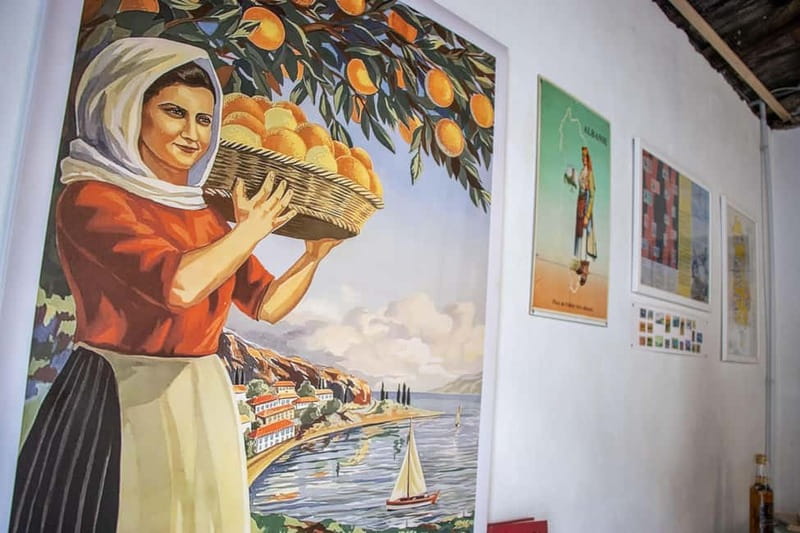
This was not free-flowing tourism in the modern sense. The visit explains how foreign contact was managed and how the Sigurimi, Albania’s State Security service, maintained surveillance. That gives the museum a useful angle: it is not only about what Albanian families ate or where they sheltered, but also about how the government presented the country to outsiders.
For you, this section helps explain why tourism could exist in an isolated state without offering visitors the freedom they usually expect. Foreigners could be welcomed as part of a national program, while their movements and conversations were watched.
The subject also connects directly to the house itself. A tourist home sounds friendly, even cozy. The museum complicates that image by showing the monitoring behind the hospitality. You get a glimpse of how ordinary rooms could become part of a wider system of observation.
This is where the guide’s storytelling matters most. The available comments praise the explanations as clear and interesting, especially for people already curious about Albanian history. The tour is best enjoyed as a conversation with historical context, not as a quick photo stop.
The communist-era treat at the end
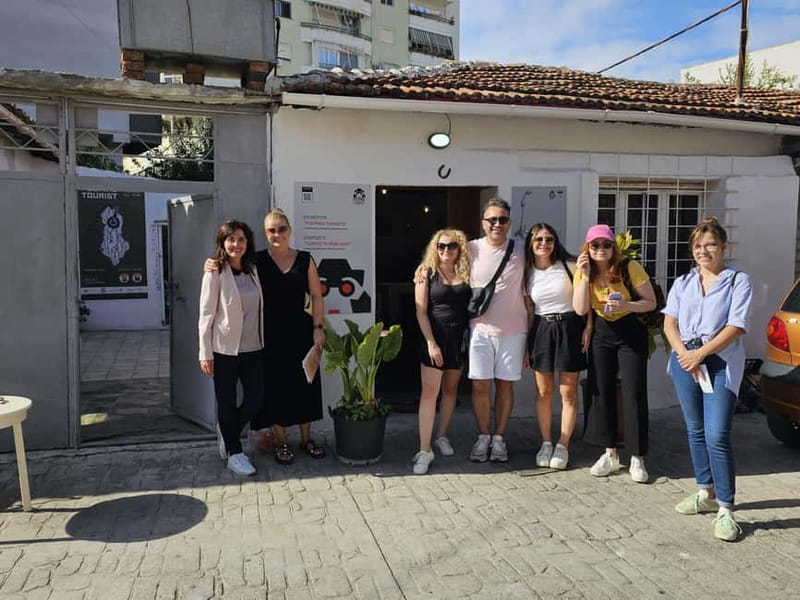
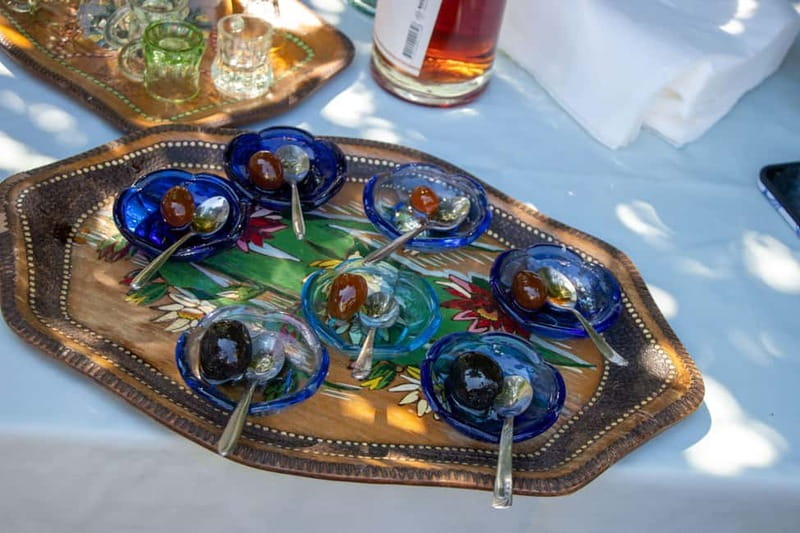
The final tasting is small, and it is not a meal. Its value is symbolic. A simple treat from the communist era shows how people maintained hospitality and creativity even when ingredients and goods were limited.
I like this ending because it moves the visit away from politics for a moment. You leave with a sensory reminder that history is also made of food, habits, and small acts of welcome. It gives the tour a warmer finish without pretending that the period was easy.
Do not book this experience expecting lunch or a broad food tasting. Meals are not included. Bring water, especially if you are visiting Durrës on a hot day and combining the museum with outdoor sightseeing.
Is $9 a fair price for 40 minutes?
At $9 per person, this is a modestly priced cultural stop. The value depends on what you want from a museum visit.
If you only count minutes, 40 minutes may seem brief. But the price includes a guided explanation, entry to a traditional Albanian home, access to the hidden shelter, and a small period treat. For a compact experience near central Durrës, that is a reasonable package.
The real value is the subject. Durrës offers more obvious attractions, but this house museum gives you a story you are unlikely to get from a standard city walk. It provides a personal frame for Albania’s communist past and adds detail about tourism and state surveillance.
I would see it as a good add-on rather than the sole reason to visit Durrës. It can occupy part of an afternoon without demanding a major time commitment. The free cancellation option, available up to 24 hours in advance, and the reserve-now-pay-later arrangement also make it easier to fit into a changing schedule.
Who will enjoy this museum most?
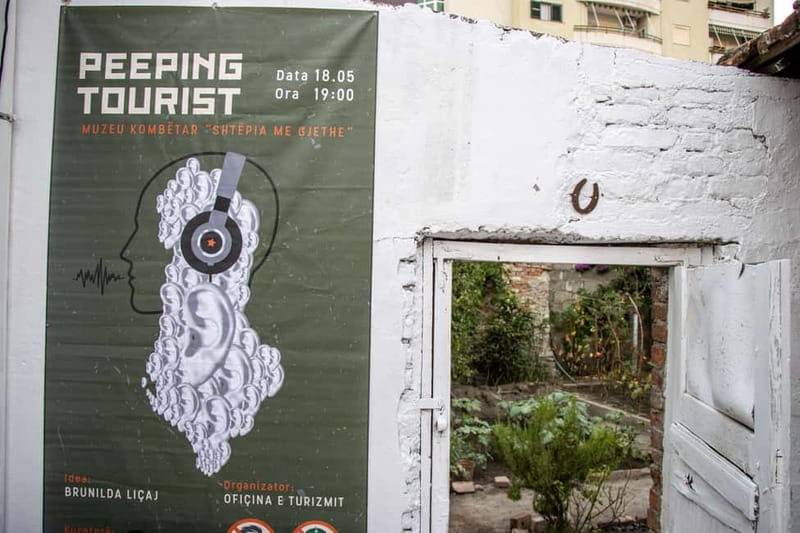
I would recommend the Peeping Tourist House to you if you have an interest in:
- Albania’s communist period
- State surveillance and the Sigurimi
- The history of tourism behind the scenes
- Everyday domestic life under a restrictive regime
- Small museums with personal stories
- Guided visits that explain objects and spaces directly
It suits adults, history students, photographers, and curious first-time visitors to Albania. You can bring a camera, but remember that touching exhibits is not allowed.
The experience may not work well for very young children. Children under 2 are not accepted, and unaccompanied minors are not allowed. The subject matter and shelter are also better suited to older children who can engage with a serious historical discussion.
You should reconsider the booking if you have claustrophobia, significant mobility limitations, or difficulty fitting into tight spaces. The stated restrictions for larger body sizes and taller visitors are unusually specific, so take them seriously rather than treating them as a minor footnote.
Practical advice for a smoother visit
Wear comfortable shoes and bring water. A camera is allowed, and the home and garden may offer interesting details, but keep the camera use respectful and follow the guide’s instructions.
Arrive knowing that this is a quiet, controlled visit. Smoking is forbidden, including indoors. Alcohol and drugs are not permitted, and visitors are asked not to make noise.
The tour takes about 40 minutes, but you should allow extra time to reach the old-doors meeting point. Because no transportation is included, you need to arrange your own arrival and departure.
The museum is near the center of Durrës, making it practical for a walking itinerary. I would pair it with other central sights rather than travel a long distance solely for the visit. Its short length is an advantage when you want a meaningful cultural stop between larger activities.
My verdict on the Peeping Tourist House
Book this tour if you want a concise, personal look at Albania’s communist past and you are comfortable with a small home and cramped shelter. The strongest reasons to go are the direct guiding, the unusual focus on AlbTurist and surveillance, and the chance to see how national politics entered everyday life.
Skip it if you want a large museum, a long visit, or a relaxed attraction with broad access. The shelter and conflicting accessibility information require careful planning.
For $9, I consider it a worthwhile Durrës stop for history-minded visitors. It is short, specific, and more revealing than its modest size suggests.
FAQ
Where is the Peeping Tourist House Museum located?
It is near the center of Durrës, at the meeting point known as Shtegu i dyerve të vjetra të Durrësit, associated with Familja Nushi.
How long does the tour take?
The guided visit takes about 40 minutes.
How much does admission cost?
The listed price is $9 per person.
What languages are available?
The live guide is available in English and Italian.
What does the admission include?
Admission includes the guided Peeping Tourist exhibition, a visit to a traditional Albanian home, entry to the hidden shelter, and a tasting of typical communist-era treats.
Is food included?
A small typical treat is included, but meals are not.
Is transportation included?
No. Hotel pickup and drop-off are not included, so you must arrange your own transportation.
Can I take photographs?
A camera is listed as something you can bring. You must not touch the exhibits or plants and should follow the guide’s instructions about photography.
Is the experience suitable for wheelchair users?
The information is contradictory. One section describes the activity as wheelchair accessible, while another says it is not suitable for wheelchair users or people with mobility impairments. Contact DEA LINES before booking to confirm current access conditions.
Who should avoid the shelter?
People with claustrophobia should avoid the experience. It is also listed as unsuitable for people over 6 feet 6 inches, or 200 centimeters, and people over 309 pounds, or 140 kilograms.
Can children attend?
Children under 2 are not suitable for the activity, and unaccompanied minors are not allowed.
What should I bring?
Bring comfortable shoes, water, and a camera if you want to take photographs. Bare feet are not allowed.
Can I cancel the booking?
You can cancel up to 24 hours in advance for a full refund. The reserve-now-pay-later option is also available.
Newly listed around Durres
- Walking tour Durrës★ 5.0 · 4 reviews
- UNESCO Heritage Sites in Albania on 3 day tour★ 5.0 · 2 reviews
- Tirana: Taste the City’s 15+ Flavours, One Bite at a Time★ 5.0 · 4 reviews
- Tirana: Durrës Beach and Culture Tour with Guide★ 4.7 · 4 reviews
- Ro_Riding Atv Tour★ 3.8 · 5 reviews
- From Tirana/Golem/Durres: Blue Eye, Ksamil, Saranda Day Tour★ 4.9 · 23 reviews
- From Tirana/Durres/Golem Theth, Blue Eye, Day Tour★ 5.0 · 28 reviews
- From Tirana/Durres: Day Tour to Saranda, Ksamil & Butrinti★ 5.0 · 5 reviews
Museums, compared.
Kruja, Old Bazaar, Museum,Sari Saltik tour from Tirana
Read our review →
Kruja Castle, Museum & Bazaar Day Trip from Durres/Golem
Read our review →Kruja Castle, Museum & Bazaar Day Trip from Durres/Golem
Read our review →
Browse the lists this tour appears in