
Reviewed · ALBANIA
Day Trip From Ulcinj: Discover Mystical Shkoder, Albania
History gets personal in Shkoder. This 10-hour trip from Ulcinj links an old fortress, Enver Hoxha bunkers, handmade Venetian masks, and an Albanian village meal in one long but rewarding day. I especially like the chance to see Shkoder beyond its main streets, and the small-group feel reported by several people, including a private outing with guide Mentar and another led by Mirko. The main drawback is the border crossing, which can be slow, and the day leaves little room for a relaxed, self-directed visit.
I also like that the tour shows several sides of northern Albania: difficult 20th-century politics, older legends, local art, and everyday food. The mask factory was the clear favorite for many people, while free time in Shkoder gave the day a welcome pause. Just remember that the $151 price does not cover the Rozafa Fortress ticket, the Venice Art Mask Factory entrance, or food and drinks.
In This Review
- The key points at a glance
- Why Shkoder makes a strong day trip from Ulcinj
- The journey and border crossing
- Entering an Enver Hoxha bunker
- Rozafa Fortress and Shkoder’s three-water view
- Shkoder, Albania’s cultural center
- Inside the Venice Art Mask Factory
- Lunch in an Albanian ethnic village
- What $151 includes, and what it does not
- Who will enjoy this Shkoder day trip?
- Practical advice before you book
- Should you book this tour?
- FAQ
- How long does the Shkoder day trip take?
- What language is the tour conducted in?
- What identification do I need?
- Is transport included?
- Are the fortress and mask factory entrance fees included?
- Is lunch included?
- Can I cancel for a full refund?
- Can I reserve now and pay later?
The key points at a glance
- A rare look inside a Hoxha-era bunker: You enter one of Albania’s famous defensive shelters and learn why so many were built.
- Rozafa Fortress brings the best view: From its walls, you can see Shkoder, Lake Shkoder, and three rivers.
- The handmade masks are the tour’s artistic highlight: The Venice Art Mask Factory shows how theatrical masks are made by hand.
- Small groups can make the day feel personal: Some departures have had only two to four people, with guides such as Mentar and Mirko offering extra commentary.
- Lunch takes place in an Albanian village setting: Food is not included, and the menu may be limited, but the setting adds a local touch.
- Border timing is outside the guide’s control: Bring your passport or ID card and allow patience for the crossing.
Why Shkoder makes a strong day trip from Ulcinj
Shkoder is close enough to reach from Ulcinj in a day, yet it feels like a real change of scene. You cross from Montenegro into Albania and enter a city shaped by Illyrian roots, Byzantine rule, Venetian influence, the Serbian Nemanjic dynasty, the Ottoman Empire, and a short period under Montenegro.
That long sequence of outside powers helps explain why Shkoder feels layered rather than polished into one simple story. You are not seeing only monuments. You are seeing a city where different traditions, faiths, political systems, and artistic habits have left their mark.
The trip also gives useful context for Albania’s recent past. The country was largely cut off from the outside world for about four decades under Enver Hoxha’s communist government. After his death, the borders opened in the early 1990s, and Albania began to receive far more attention from people curious about a place that had been difficult to visit for so long.
That history is not presented as a dry classroom lesson. You encounter it through a bunker, a fortress, local arts, and conversations with your guide. I find that approach useful because it ties big political events to things you can actually see.
More Day Trips in Tirana:
- From Tirana: Bovilla Lake & Gamti Mountain Hiking Day Trip
★ 4.9 · 4,397 reviews - Tirana/Durres/Golem: Saranda, Ksamil, Blue Eye Day Trip
★ 4.8 · 1,584 reviews - Shala river & Komani lake -Day trip departure from Tirana/Shkodra
★ 5.0 · 309 reviews
The journey and border crossing
The tour lasts about 10 hours, so expect a full day rather than a quick hop across the border. Transport is provided by car, van, or bus described as high tourist class, with parking and tolls included.
Hotel pickup has been provided on some departures, and the pickup was on time for several people. Still, confirm the exact meeting arrangement when booking, especially if you are staying outside the usual pickup area. One person noted that the guide could have collected the group directly from the accommodation, so it is worth asking instead of assuming.
The border is the main uncertainty in the schedule. A crossing can be slow, and one person specifically reported a delay at border control that was not caused by the tour. You need a passport or national ID card, as the activity takes place in Albania. Keep the document handy rather than buried at the bottom of your day bag.
During the drive, your English-speaking guide provides commentary. The journey is part of the experience because you get to see Albanian countryside before reaching Shkoder. The quality of the day depends partly on the guide’s ability to make this travel time useful, and the named guides Mentar and Mirko were praised for being friendly, helpful, and willing to answer questions.
Entering an Enver Hoxha bunker
The first unusual stop is an actual bunker. Albania is famous for the small concrete bunkers built during Hoxha’s rule, and this tour lets you enter one rather than simply photograph it from the roadside.
Your guide explains how many bunkers were built and what they were meant to do. The shelters were part of a national defense policy shaped by fear of invasion and Albania’s isolation. Their presence is one of the most visible reminders of that period, scattered across towns and countryside.
Going inside gives the subject a physical edge. The space is not just a historical symbol on a sign. It is a tight, practical structure built for a society preparing for an attack that never came. That makes this stop especially useful if you want to understand how politics affected ordinary places.
The bunker visit is not a large museum experience, so keep your expectations sensible. Its value comes from the guide’s explanation and from seeing the structure in person. If you prefer grand monuments and long museum visits, this will be a short stop. If you enjoy unusual evidence of recent history, it may be one of the day’s most memorable moments.
Rozafa Fortress and Shkoder’s three-water view
Rozafa Fortress sits about 150 meters above sea level and provides the broadest view of the day. From the old walls, you look across Shkoder, Lake Shkoder, and the meeting area of three rivers.
The setting also carries one of Shkoder’s best-known legends, which gives the fortress more personality than a simple pile of ruins. Your guide explains the story and connects it with the city’s long past. The fortress itself reflects the repeated changes that shaped Shkoder, with Illyrian origins and later Byzantine, Venetian, Serbian, Ottoman, and Montenegrin connections.
Allow for uneven surfaces and exposed ruins. The supplied details do not promise a smooth walking route, so sensible shoes are a good idea. The admission fee is not included and costs €4. That is a small extra charge, but you should add it to the advertised price when working out your actual budget.
The fortress is also where the day’s geography becomes clear. Shkoder is often described as a city on the largest lake in the Balkans, but the view helps you understand its position better than a sentence in a guidebook. You see water, city, and countryside in one sweep.
Somewhere else in Albania, a completely different day:
- From Tirana: Bovilla Lake & Gamti Mountain Hiking Tour
★ 4.9 · 3,003 reviews - From Tirana: Bovilla Lake & Gamti Mountain Viewpoint Hike
★ 4.8 · 2,053 reviews - Hike Gamti Mountain with Bovilla lake view & canyon- From Tirana
★ 5.0 · 1,280 reviews - Tirana: 2 Hour Guided Hidden Treasures Sightseeing Tour
★ 4.8 · 948 reviews
Shkoder, Albania’s cultural center
The next part of the day looks at Shkoder as a center of culture. This is where the tour moves from defensive structures and old rulers to photography, crafts, and local identity.
A key subject is the Marubi photography museum. The story of why the museum has been proposed for UNESCO protection adds a useful cultural angle. The museum is connected with Shkoder’s place as a city of artists and image-makers, and your guide explains why it matters.
The advertised experience does not list a separate entrance to the Marubi museum, so do not assume you will have an extended museum visit inside the itinerary. Instead, treat this portion as an introduction to the city’s cultural role. If photography is a major interest, you may want to ask how much time is planned for this subject.
You also get free time in Shkoder. This was an important part of the day for people who wanted to wander, sit at an outdoor cafe, and see the city at their own pace. One person would have preferred more time in old Shkoder for lunch, so this is the main tradeoff: the tour covers many different stops, but free time is limited.
Inside the Venice Art Mask Factory
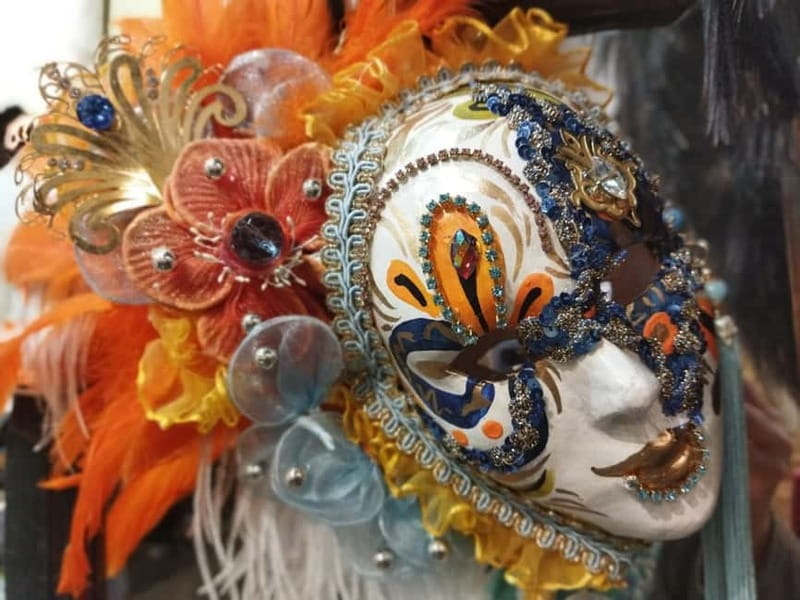
For me, the most distinctive stop is the Venice Art Mask Factory. The connection is unexpected. Shkoder once had strong Venetian influence, and that old link is represented here through handmade carnival masks.
You see how the masks are produced by hand and learn about the work of the artists. This gives you a look at a living craft rather than another ruined wall. The masks are also tied to film and popular culture, since artists at the factory made a mask for Tom Cruise.
The entrance fee is €3 and is not included. That is modest, and this is one extra cost I would gladly budget for because the visit offers something you are unlikely to find at a typical fortress or city walking tour.
Several people placed the mask factory at the top of their day. That makes sense. The stop is visual, hands-on in spirit, and easy to appreciate even if you do not know much about costume design. It also breaks up the historical material with color and workshop activity.
The factory may be less appealing if you want a long period for independent shopping or a detailed museum visit. The information provided does not specify the length of the visit, so ask your guide if you need to plan around particular interests.
Lunch in an Albanian ethnic village
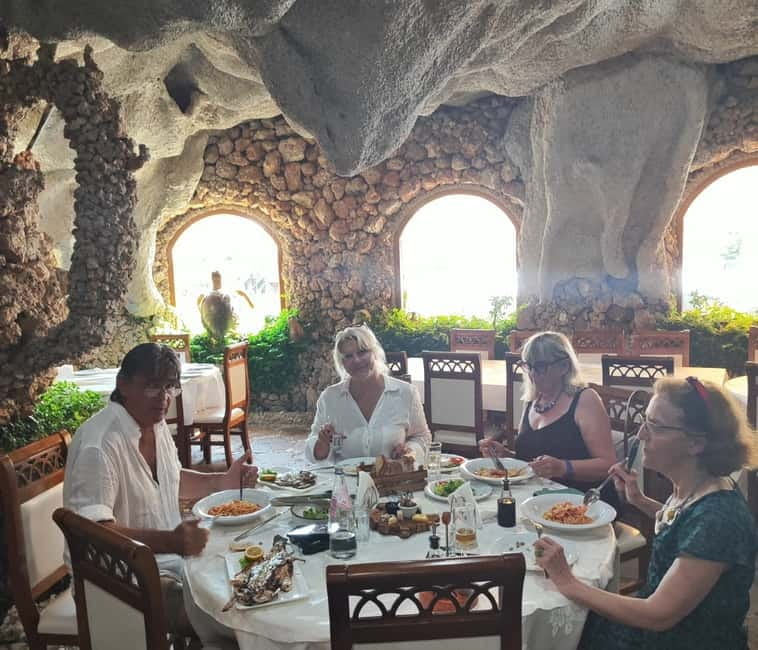
The day finishes with a meal at a village household, described as an Albanian ethnic village setting. Food and drinks are not included, so bring money for lunch.
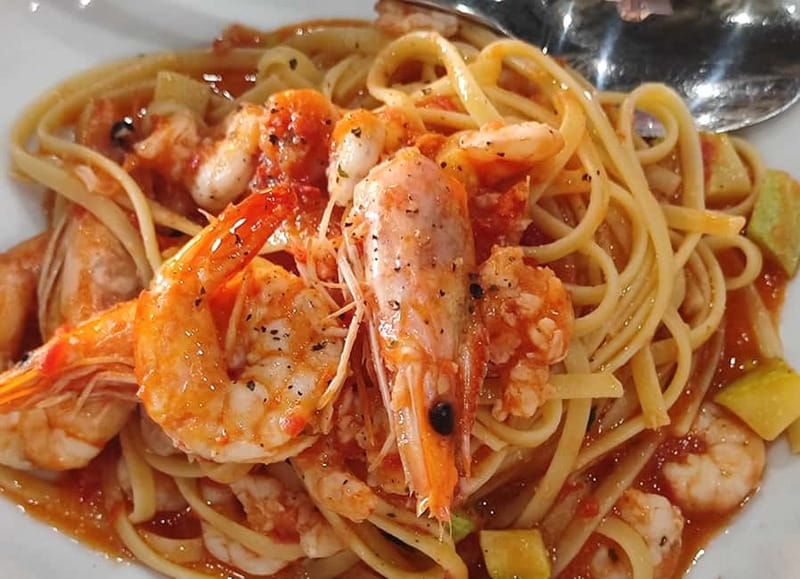
This is one of the better ideas in the program because it moves you away from formal sights and toward local food traditions. Albanian cuisine is known for quality and hearty flavors, and the village setting gives the meal a sense of place that a city restaurant may not provide.
There is one important caveat. The menu can be limited. One person enjoyed the beautiful setting but wanted smaller, lighter choices, or more time in old Shkoder for lunch instead. If you have a small appetite, dietary restrictions, or a strong preference for choosing your own meal, ask what will be served before settling in.
Another person described the lunch venue as charming and praised the restaurant recommendation. So I would view this stop as a cultural meal rather than a flexible restaurant break. You are paying for the setting and local character as much as for the food itself.
A coffee stop at the end is another small but welcome touch. It gives you time to reflect on the day before returning to Ulcinj, and it prevents the final hours from feeling like one long ride back.
What $151 includes, and what it does not
At $151 per person, this is not a budget bus ride. The price includes transport, a licensed guide, parking, and tolls. It also gathers several otherwise separate experiences into one organized day: the bunker, fortress, city, mask factory, countryside, and village meal.
The value improves if you want historical explanation and do not want to arrange an international border crossing, transport, parking, and local visits yourself. A small group can make the cost feel more reasonable, particularly when the guide answers questions and adds stops or viewpoints that matter to the group.
The total cost will be higher than $151 because you must pay separately for:
- Rozafa Fortress, €4
- Venice Art Mask Factory, €3
- Lunch
- Drinks
The tour does not include food, so check whether the village meal is a fixed arrangement or a meal you choose from the available menu. If you prefer independent dining, the limited free time in Shkoder may feel restrictive.
The five available ratings average 4.5 out of 5, with four and five-star scores. The strongest praise centers on punctual hotel pickup, friendly guides, useful commentary, the mask factory, the countryside, and the number of worthwhile stops completed in one day. That pattern suggests the tour’s value rests on variety and guiding, not on long stretches of free exploration.
Who will enjoy this Shkoder day trip?
I would recommend it to you if you want a broad first look at northern Albania and prefer an organized day with plenty of context. It is especially suitable for people interested in:
- Communist-era history and unusual historic sites
- Fortresses, legends, and changing empires
- Traditional crafts and handmade art
- Albanian food and rural settings
- Seeing several highlights without arranging separate transport
The tour also works well for couples and small groups. One departure had only two people, and another had four, creating a more personal feel. That is not guaranteed, but the experience appears capable of being intimate rather than a large coach outing.
I would hesitate if you want a slow day. Ten hours, a border crossing, several stops, and the return journey make this an active schedule. You will not have unlimited time in old Shkoder, and lunch may not offer a wide range of choices.
I would also think twice if you dislike crossing borders or find delays stressful. The guide cannot control border queues. Bring the correct document, keep your schedule flexible, and treat the day as an excursion rather than a precise chain of timed appointments.
Practical advice before you book
Wear shoes suitable for the fortress ruins and bring a passport or ID card. Carry some euros for the two entrance fees, lunch, and drinks.
Ask about pickup from your accommodation, the expected lunch menu, and how much free time you will have in central Shkoder. Those three questions address the main practical concerns: transport convenience, food choice, and independent time.
Because the tour is in English, you should be comfortable following spoken commentary throughout a long day. The guides have been praised for explaining the sites and answering detailed questions, so take advantage of that during the drive and at the fortress.
Free cancellation is available up to 24 hours before departure for a full refund, and you can reserve now and pay later. Those terms help if your Ulcinj plans depend on weather or border conditions, but they do not remove the need to carry valid identification.
Should you book this tour?
Book it if you want variety, local context, and an easy way to reach Shkoder from Ulcinj. The bunker and fortress explain Albania’s past, the mask factory adds a memorable creative stop, and the village meal gives the day a more personal finish.
Skip it if you mainly want an unhurried city visit, a wide lunch menu, or hours to explore on your own. The strongest reason to choose this trip is the guide-led mix of places, especially when the group is small. The strongest reason to hesitate is the packed schedule and uncertain border timing.
For most visitors with one free day in Ulcinj, I think the $151 price is fair if you include the guide, transport, tolls, parking, and the range of stops. Budget another €7 plus food and drinks, bring patience for the border, and you will be set for an unusual and worthwhile day in Albania.
FAQ
How long does the Shkoder day trip take?
The experience lasts 10 hours, including travel between Ulcinj and Shkoder and the scheduled visits.
What language is the tour conducted in?
The live tour guide speaks English.
What identification do I need?
You need to bring a passport or ID card because the activity takes place in Albania.
Is transport included?
Yes. Travel is provided by car, van, or bus described as high tourist class. Parking services and tolls are also included.
Are the fortress and mask factory entrance fees included?
No. Rozafa Fortress costs €4, and the Venice Art Mask Factory costs €3. Both fees are paid separately.
Is lunch included?
No. Food and drinks are not included in the tour price. The itinerary finishes at a village household where you can enjoy Albanian food.
Can I cancel for a full refund?
Yes. You can cancel up to 24 hours in advance for a full refund.
Can I reserve now and pay later?
Yes. The reserve now and pay later option lets you hold your place without paying at the time of booking.
Newly listed around Tirana
- Wonderful Sunset and Dinner in the Castel Of Petrela★ 4.6 · 4 reviews
- Zipline Tirana Adventure & Petrela Castle – With Transport★ 4.4 · 10 reviews
- Wine Tasting & Vineyards Escape near Tirana★ 4.9 · 8 reviews
- Walking Tour in Tirana, Albania★ 3.7 · 28 reviews
- Vlora, Dhermi & Llogara Day Trip from Durrës or Golem★ 5.0 · 5 reviews
- Day Tour to Petrela Castle and Zip Line Albania Adventure★ 5.0 · 10 reviews
- From Tirana: Mount Dajti Adventure, Local Vibes & Cable Car opt★ 4.5 · 6 reviews
- Winetasting tour in Alpeta winery – Roshnik village by 1001 Albanian Adventures★ 5.0 · 26 reviews